TÜRKİYE · Black Sea coast · Beyond the main circuit
Amasra
Two harbours, sea air and a slower lunch
Amasra offers a different Turkish coast, green hills, compact harbours and a town that invites a long seafood lunch. Explore the old peninsula and its fortified streets, then watch the fishing boats instead of counting off another set of monuments.
Amasra’s small peninsula carries the traces of a much larger maritime history. Fortifications divide the old settlement between the mainland and Boztepe, while the harbours explain why this exposed stretch of the Black Sea became a trading and fishing town. Its museum and woodcraft streets add an inland perspective to a visit otherwise shaped by the water.
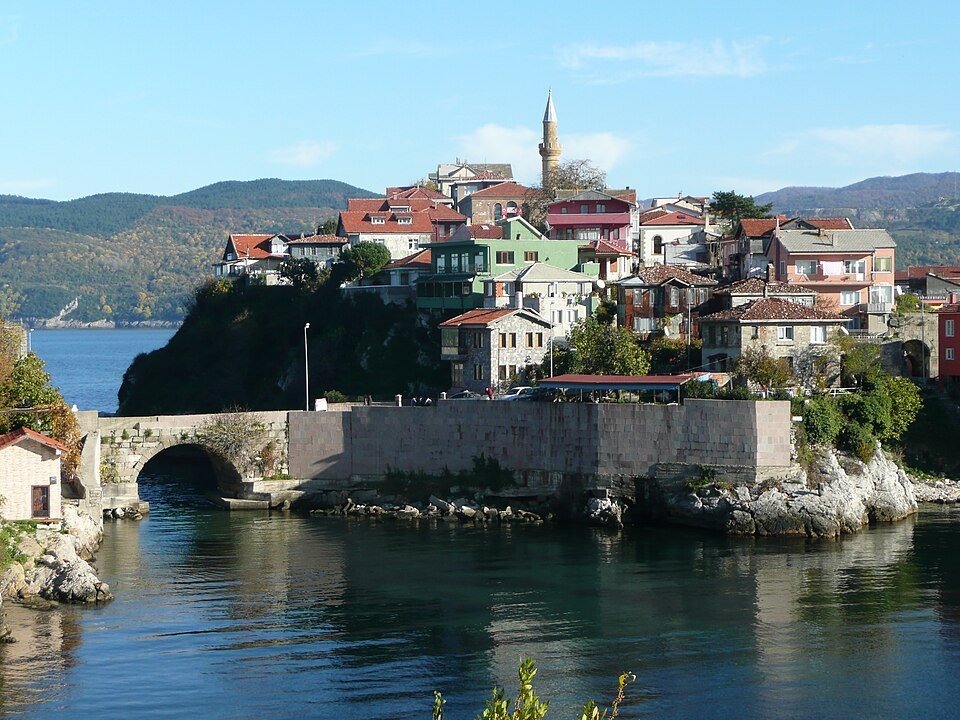
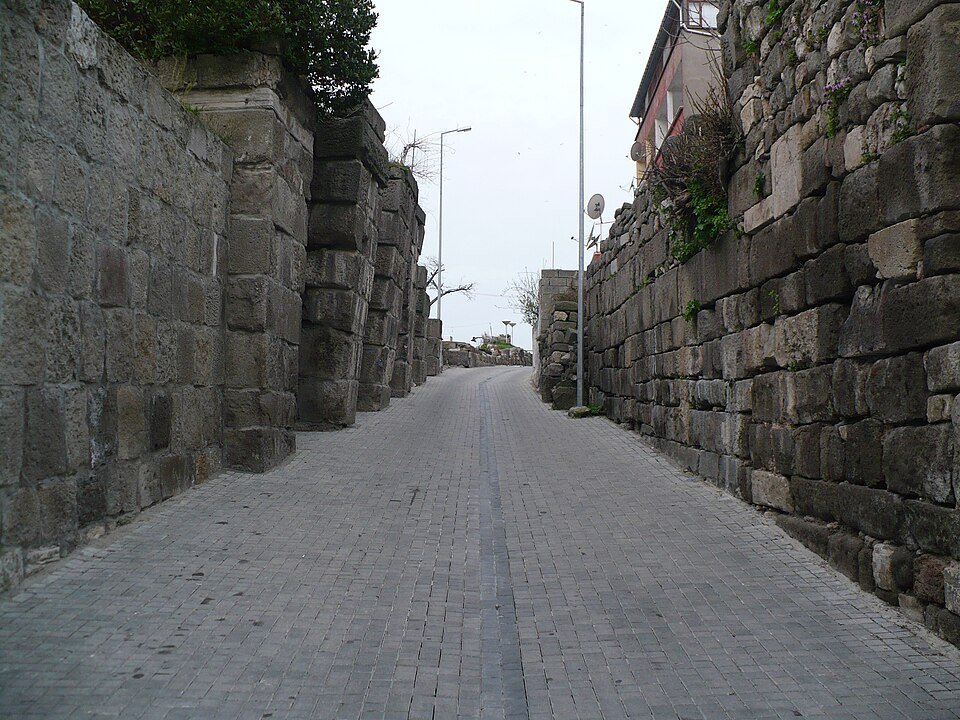
Fortified walls, narrow streets and changing harbour views reveal a long maritime past. The compact setting makes a satisfying walk without a packed schedule.
The castle comprises two connected parts: Zindan on the mainland and Sormagir on Boztepe. The Kemere Bridge links the two across a narrow channel. Byzantine masonry and later Genoese work belong to different phases of the defences; surviving armorial stones help connect the walls with the town’s medieval trading history.
Plan your visit Keep to public paths and check current access around the walls and bridge.
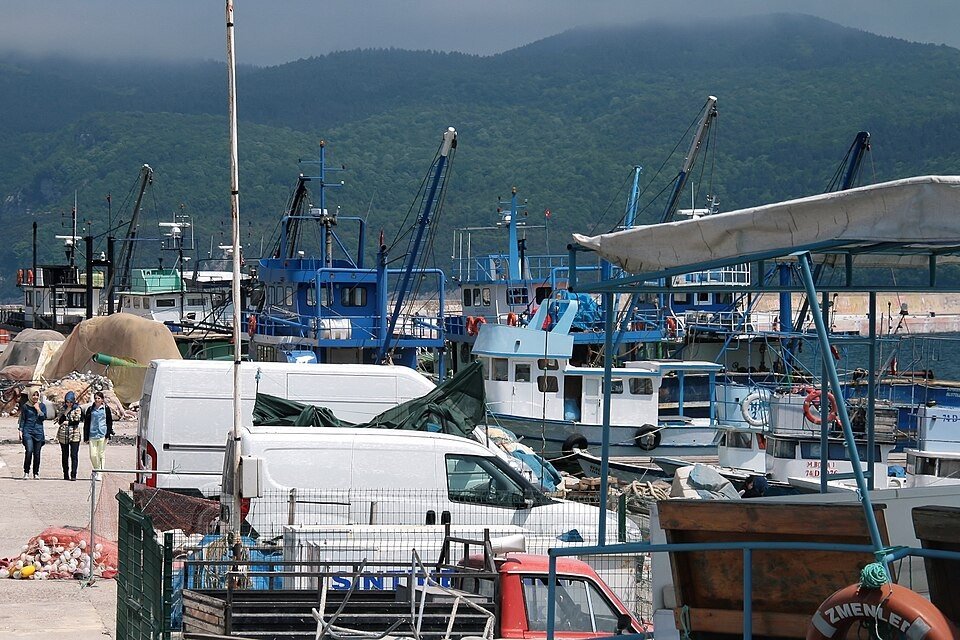
Walk between the harbour settings and enjoy the contrast of sheltered boats and open water. This is a good place to let the weather and light shape the day.
The Büyük Liman and Küçük Liman sit on different sides of the compact settlement. Their orientation produces changing views of boats, breakwaters and the peninsula, rather than a single continuous waterfront. Seen together, they make the geography of the town easy to understand: the same headland that offers shelter also separates the harbour spaces.
Plan your visit Do not assume a boat outing is available in every season or sea condition.
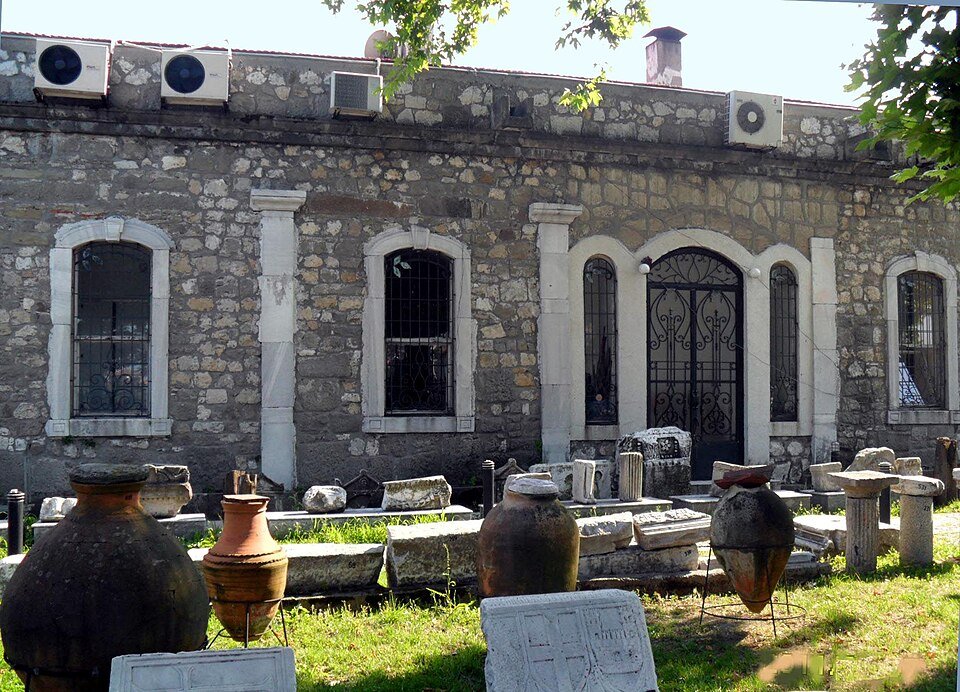
A small museum visit can give the seaside walk archaeological and historical context. It is also a useful alternative when the weather changes.
The collection brings together archaeological finds from Amasra and its surroundings with objects from more recent local life. Roman sculpture, architectural fragments and inscriptions sit within a wider account of the region’s past. The ethnographic displays include metalwork, clothing and wooden objects, connecting ancient maritime settlement with the craft traditions still associated with the town.
Plan your visit Check the current opening day and admission arrangements.
Browse the craft streets, then settle into the town’s food traditions. The pleasure here is as much in ordinary local life as in an individual landmark.
Çekiciler Çarşısı preserves Amasra’s association with wood turning and small wooden household goods. Local accounts describe the use of woods including linden, walnut, cherry and boxwood, each suited to different forms and finishes. The street’s compact shops make craft production part of the townscape, alongside the fishing and food traditions of the harbour.
Plan your visit Ask whether a piece is locally made, and take time to compare before buying.
Suggestions are based on location and the hotels’ published information, not personal inspections. Confirm room types, accessibility, parking and current rates directly. Need help with a group hotel request?
Getting here & around
Arrive with a plan.
Amasra is reached by road on the Bartın coast. Check coach connections and any change required in Bartın. The northern coast has different weather from the Mediterranean, so plan for rain as well as sunshine.
Information reviewed October 24, 2026. Confirm changing details with the attraction or hotel before travelling.
Sources & photograph credit
Every photograph is credited beside the image and in its enlargement. Historical and contextual views are labelled in their captions. The five photographs retained from the earlier guide were checked against their Commons originals.
Visitor information is linked beside each attraction. Hotel contact details come from the official hotel websites linked above.
Additional historical and architectural research reviewed 31 October 2026: