Antarctica · A closer look

Antarctic Peninsula

Mountain-backed channels, coastal wildlife and the best-known region for a first Antarctic voyage.

The Antarctic Peninsula brings mountains, narrow channels and floating ice into a changing sequence of views. It is the introduction many travellers choose, but the experience begins with the kind of voyage, not a list of famous stops. A ship-based journey, a fly-cruise arrangement and a cruise without landings can give very different days. Compare what the programme actually includes before deciding which best fits you.

Once there, allow the place to set the pace. A bay seen from deck, a lecture that helps explain the ice or a quiet spell watching the light can matter as much as time ashore. The photographs below show particular moments, not promises that those places or conditions will repeat. An expedition itinerary works best as a carefully prepared possibility, with enough curiosity to enjoy what the day allows.

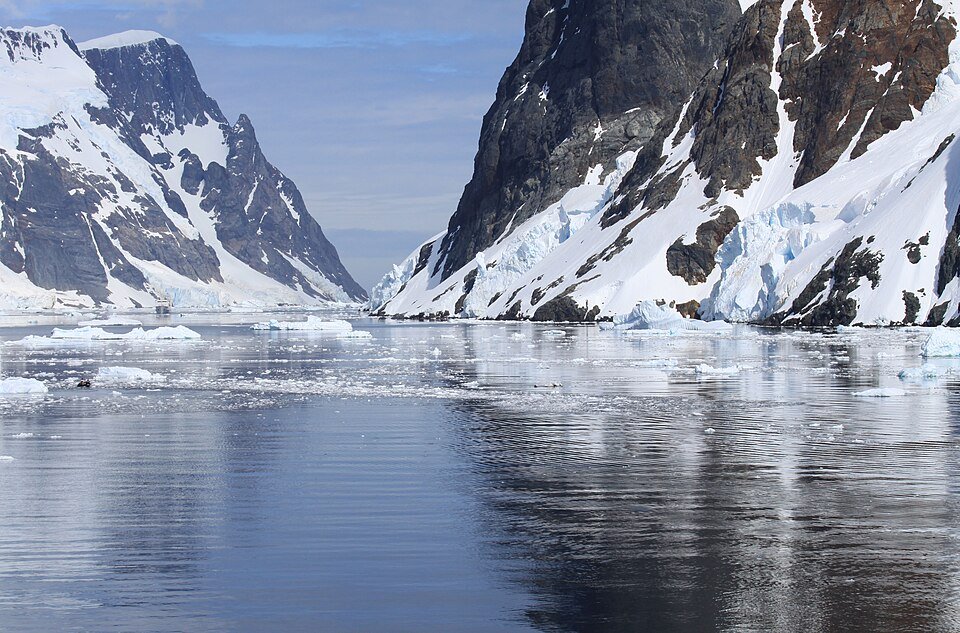
Lemaire Channel on the western side of the Antarctic Peninsula
CHK46 · Attribution-Share Alike 4.0 International · Display cropped/resized.

LOOK A LITTLE CLOSER

Places and experiences.

Antarctic Peninsula · setting
CHK46 · Attribution-Share Alike 4.0 International · Display cropped/resized.
01

Begin with the kind of voyage

The Peninsula is the region reached by most tourist ships arriving from South America. Compare the route, vessel and time available for activities, rather than choosing solely from a list of possible landing sites.

The Lemaire Channel photograph introduces the scenery, not a guaranteed transit. Look at the proposed route alongside the vessel’s style and included activities.

Paradise Bay · Peninsula-region archive, 2019
Paradise Bay · Peninsula-region archive, 2019 · Gary Bembridge from London, UK · Wikimedia Commons · CC BY 2.0. Display cropped to fit.
02

The journey changes with conditions

Channels, bays and islands provide different opportunities as ice and weather allow. A named place in a brochure is a proposed visit, not a guarantee. Flexibility is part of how an Antarctic expedition works.

Ice, wind and visibility can change the order of the day. A different bay or an observation from the ship can still be a substantial experience.

Antarctic mountains from an expedition-ship lounge · 2025; illustrative onboard view
Antarctic mountains from an expedition-ship lounge · 2025; illustrative onboard view · Parikshit Sharma Photography · Wikimedia Commons · CC BY-SA 4.0. Display cropped to fit.
03

Make the time aboard count

Lectures, observations from deck and conversations with the expedition team can be as rewarding as a landing. Ask what clothing, equipment and optional activities your booking includes.

Keep some time simply to look. Learning the names of a few features can make the next view more rewarding than another hurried photograph.

Give the day room to unfold

Compare the expedition’s actual operating plan, cabin and activity arrangements. Leave suitable time at the gateway before and after the voyage.

Lemaire Channel guide →

Port Lockroy guide →

Visitor information & sources

Sources reviewed 28 October 2026. Opening, access, availability and services can change.

Your base for the journey

Where to stay

For this coastal region, the usual visitor base is an expedition ship. These are operator contacts for cabins and itinerary planning, rather than hotels ashore. Confirm current availability, access, inclusions and requirements directly. Inclusion does not establish ATA membership.

EXPEDITION & ACCOMMODATION CONTACT

Quark Expeditions — ship-based stays

Ask about the current Peninsula itinerary, cabin category, included landings and the physical requirements of the voyage.

Operator enquiry contact; accommodation aboard the vessel booked for your voyage.

EXPEDITION & ACCOMMODATION CONTACT

Oceanwide Expeditions — ship-based stays

Ask about current departures, the region visited and the vessel’s cabins. Each route has its own duration and access limits.

Operator enquiry contact: Visserijkade 5, 4382 ZA Vlissingen, Netherlands.

← Return to the Antarctica guideAntarctica planning →