
Welcome To Krems
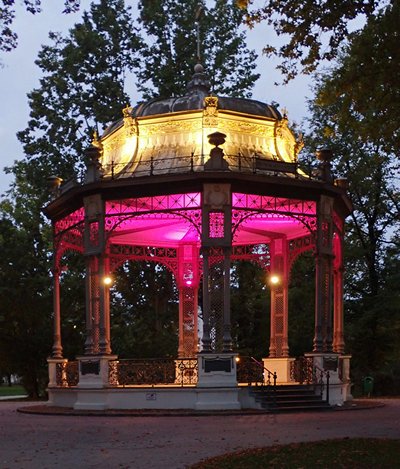
Beyond the elegant arches of Vienna and the snow-laden peaks of the Alps, nestled along the enchanting Danube river, lies the captivating town of Krems an der Donau – a pearl of Lower Austria, etched in history and dipped in beauty. This town doesn't just deserve a place on your travel itinerary; it demands it.
Krems, harking back to the medieval era, is more than a thousand years old. Each cobblestone and charming edifice whispering tales of its rich past. The charming streets meander around historical landmarks, each a testament to its diverse architectural heritage, from the Gothic majesty of the Steiner Tor—Krems' iconic 15th-century city gate—to the timeless beauty of the Piarist Church, and the modernistic lines of the Kunsthalle art museum.
Like a carefully curated gallery, Krems presents a harmonious blend of the old and the new. It's a place where contemporary culture doesn't just coexist, but thrives alongside tradition. Modern restaurants serving global cuisines stand shoulder to shoulder with classic Heurigers – rustic Austrian wine taverns offering locally grown vintages. Here, one can sample the delightful Grüner Veltliner, a wine as crisp and nuanced as the town itself, amidst the vineyards that lace the surrounding Wachau Valley.
When you visit Krems, you're not just visiting a town; you're embarking on a journey into a living painting where nature and culture unite. A serene bike ride along the Danube, an unhurried stroll through its quaint old town or a blissful cruise along the river, each offers a different perspective on the town's ethereal beauty.
But what truly sets Krems apart is its spirit. Its vibrancy reflected in the local festivals, its dedication to the arts mirrored in its galleries and museums, and its commitment to education echoed in its renowned universities. Krems invites you to partake in this dynamic energy, to immerse yourself in its infectious love for life.
In an age where cities chase after the future, Krems serves as a delightful reminder of the charm and allure inherent in acknowledging and preserving the past. This town doesn't just offer a holiday, it promises an experience, a rendezvous with history, culture, art, and gastronomy that is as intoxicating as the local wines. Visit Krems, and you won't just see Austria; you will feel it in all its rich, vibrant, and complex glory.
SIGHTS OF INTEREST IN KREMS
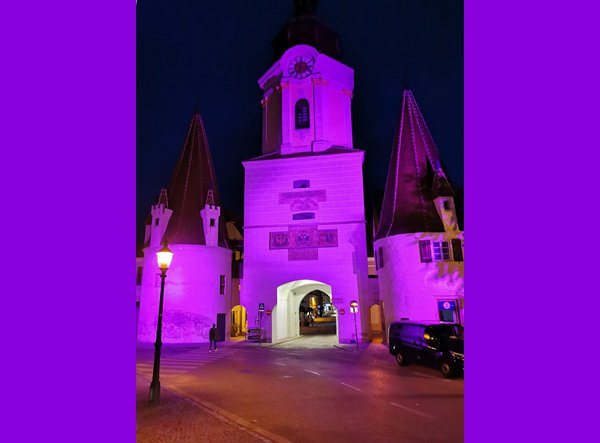
Steiner Tor
The Steiner Tor is considered one of the most emblematic structures in Krems, dating back to the 15th century. This ornate gateway is one of the last remaining pieces of the city's original fortifications. Visit their website for more information

Kunsthalle Krems
This contemporary art museum hosts rotating exhibitions of modern and contemporary art. Its cutting-edge architectural design is a striking contrast to the town's historic buildings, making it a must-see.
Find out more on their website.
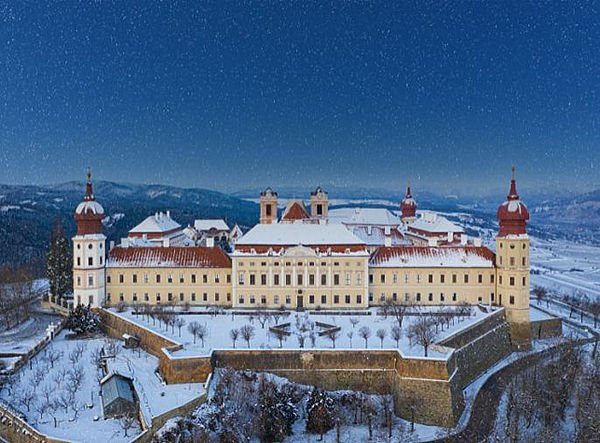
Göttweig Abbey
A stunning Benedictine monastery located on a hilltop with commanding views over the town and the surrounding Wachau Valley. This Baroque masterpiece is a UNESCO World Heritage Site.
Visit their website for details.
The History of Krems in a Nutshell
Krems an der Donau, often simply referred to as Krems, is one of the oldest towns in Austria, with a history spanning over a thousand years. Situated at the confluence of the Krems and Danube Rivers, the town has long been a cultural and economic hub of Lower Austria.
The history of Krems can be traced back to the Bronze Age, as archaeological evidence suggests settlements in the area since then. Its strategic location along the Danube River ensured its early growth and importance, leading to its eventual establishment as a town in the 11th century. It was first mentioned in an official document in 995 AD, as "urbs Chremisa".
Throughout the Middle Ages, Krems prospered due to its bustling trade activities. It became an important center for the salt trade and also gained prominence in the wine industry, a legacy that continues to this day. Krems was granted the rights of a town in 1305 and was fortified to protect its wealth. Remnants of these fortifications, such as the Steiner Tor, can still be seen today.
In the 15th century, Krems, along with its neighboring town Stein, were among the most prosperous towns in the region. Their combined cultural, economic, and political influence was significant throughout the late Middle Ages. However, this period also saw challenges, including sieges and attacks during the Hussite Wars.
In the 17th and 18th centuries, Krems went through a series of transformations. The establishment of religious institutions, such as the Piarist College in 1625 and the Ursuline Convent in 1689, helped shape the town's cultural landscape.
During the 19th century, the opening of the Danube steamboat shipping company and the construction of the Empress Elisabeth Western Railway significantly boosted the town's economy and connectivity.
The 20th century brought considerable change and challenge to Krems. Both World Wars left their mark on the town, but it showed resilience and adaptability. In the later part of the century, Krems expanded its reputation as a center of education and culture, housing institutions like Danube University Krems, one of Europe's leading universities for continuing education.
Today, Krems continues to flourish, maintaining a harmonious blend of rich historical heritage and vibrant modern life. Its cultural landscape, filled with ancient structures, charming streets, modern museums, and a world-renowned wine industry, attracts visitors from all over the world, making it a significant player in Austrian tourism.
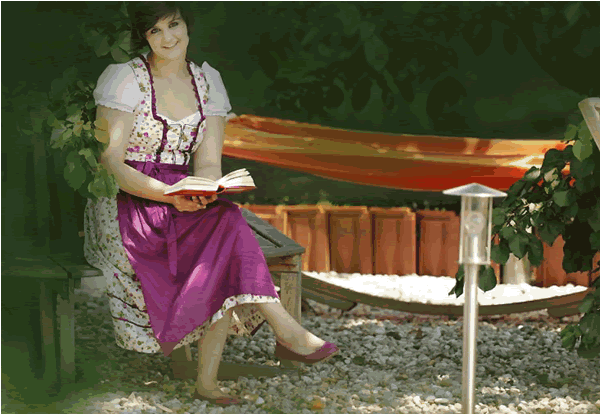
Hotel to the Golden Angel
Nestled in the heart of the picturesque town of Krems an der Donau, Hotel Zum Goldenen Engel encapsulates the perfect blend of history, elegance, and warmth. This charming 16th-century inn shines not only in its quaint architectural grace but also in its splendid hospitality. Each room whispers stories of the past while providing all the contemporary comforts, ensuring a stay that is both rich in tradition and utterly comfortable. The hotel's restaurant offers a delectable journey into Austrian cuisine, making every meal a culinary delight. Whether you're exploring the historic town or simply unwinding in the hotel's intimate ambiance, Hotel Zum Goldenen Engel promises an unforgettable experience of Austrian hospitality at its finest. Click here to visit them.
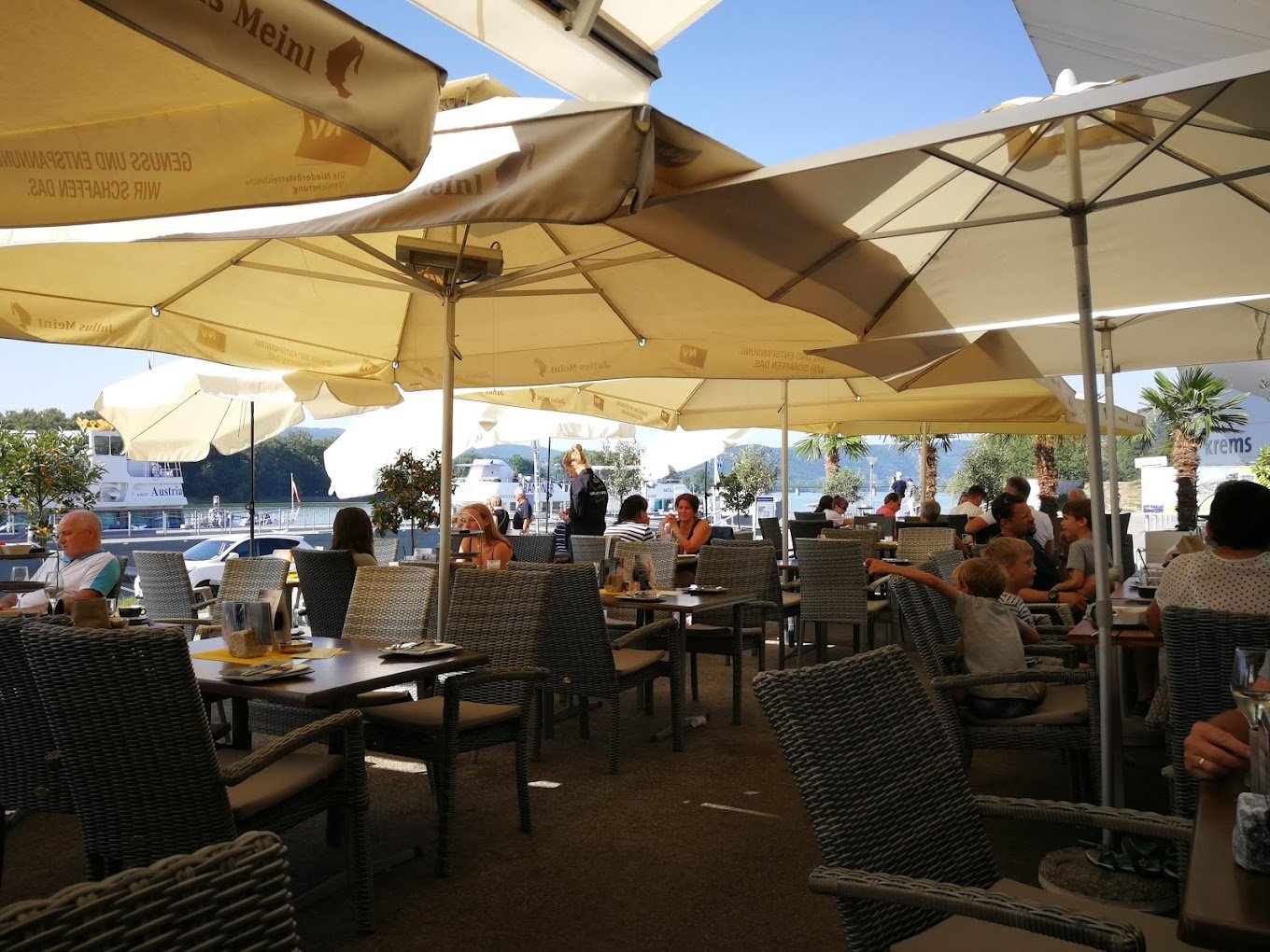
Riverside Restaurant Wellenspiel
Our experience at the Riverside Restaurant Wellenspiel in Krems was nothing short of extraordinary. Set against the stunning backdrop of the Danube, the restaurant served as a delightful culinary stage where exquisite cuisine met impeccable service. Each dish, artistically presented and abundant in flavor, was a testament to Austrian gastronomy's richness and diversity. The service was exemplary; attentive, warm, and professional, truly elevating our dining experience to another level. As we savored every bite and soaked in the serene riverside views, we realized that Wellenspiel isn't just about dining—it’s a symphony of memorable moments woven together by good food, exceptional service, and captivating surroundings. Visit them here.