Arrive with a clear plan
Arrive at Kyoto Station from Odawara, then leave the railway system before beginning sightseeing. Find your hotel’s exact exit or local connection, and store luggage if your room is not ready. Kyoto Station is a major transport complex, not a small stop at the edge of the old streets. Keep this arrival afternoon close to the hotel or the Kamo River rather than booking a distant timed activity.
Where to stay for this journey
The Kyoto Station area simplifies Shinkansen arrivals and rail day trips. Downtown around Shijo and Kawaramachi offers restaurants and evening walks, with different local rail and subway connections. Higashiyama has atmosphere but can involve a longer transfer with luggage. Choose for the walks and journeys you actually plan, and consider a taxi for the final luggage transfer if the alternatives require crowded buses.
Accommodation contacts in the destination guide →What to see, and how to get there
01 · Kyoto
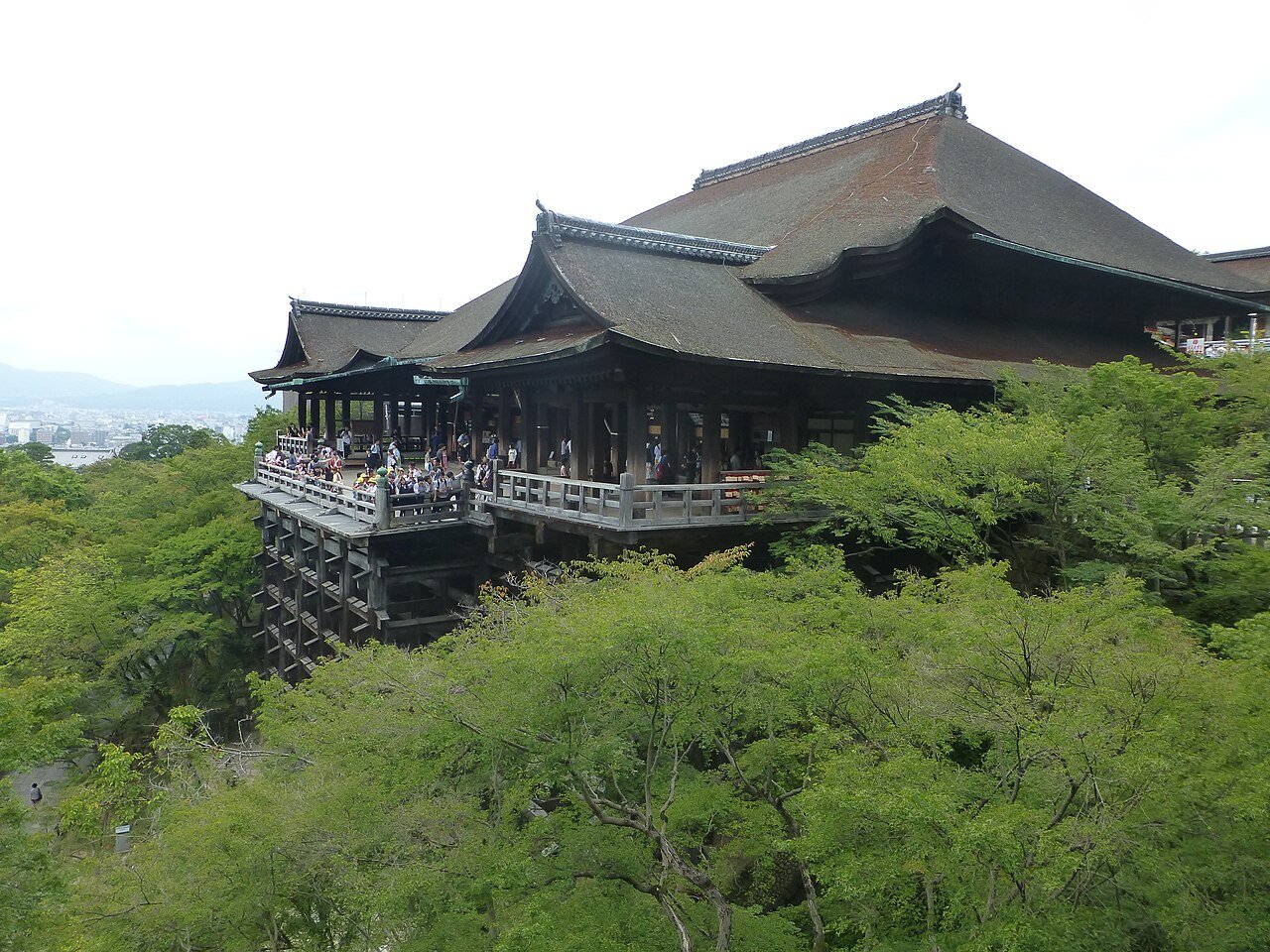
Higashiyama and Kiyomizu-dera
Make Kiyomizu-dera the anchor of an eastern Kyoto day, then descend through the surrounding streets at a measured pace. The slopes, steps and crowded approaches are part of the outing; comfortable shoes and a modest plan matter more than squeezing in another cross-city stop. Gion is a living neighbourhood. Keep to permitted public routes and respect photography restrictions.
Getting here
From Kiyomizu-Gojo, allow roughly 25–35 minutes uphill on foot, depending on the route and your pace. Check a bus or taxi alternative if the climb is unsuitable.
Location map, not a promised itinerary. Check the suggested route, date and operating times before travelling; local walking directions may be more useful for the final approach.
02 · Kyoto
Fushimi Inari
The torii-lined paths lead uphill from an active shrine complex. You can enjoy a shorter lower-slope visit or allow several hours for a fuller walk, depending on conditions and fitness. There is no need to treat the summit as compulsory. Leave room for people praying, and keep passageways clear when taking photographs.
Getting here
Use a JR Nara Line service shown as stopping at Inari, or the separate Keihan Fushimi-Inari station. Check the actual stopping pattern on your date; do not board solely on the basis of the line name.
Location map, not a promised itinerary. Check the suggested route, date and operating times before travelling; local walking directions may be more useful for the final approach.
03 · Kyoto
Arashiyama beyond the bamboo photograph
Make this a western Kyoto day with a riverside walk, the bamboo area and a carefully chosen garden or temple. The bamboo paths can be crowded; the district has more to offer than one camera angle. Leave the late afternoon free rather than adding another distant attraction at the end of a long walking day.
Getting here
Take the JR Sagano Line to Saga-Arashiyama if starting from Kyoto Station, then walk into the district. Hankyu Arashiyama and the Randen stop are different stations, useful from other starting points.
Location map, not a promised itinerary. Check the suggested route, date and operating times before travelling; local walking directions may be more useful for the final approach.
Leave room for a good meal
Build in a meal where you can sit down properly between temple visits. Nishiki is a working food-shopping street, not a substitute for every meal: observe individual shop rules about eating and photographs. Reserve a special dinner in advance if it matters to your trip, while keeping other evenings flexible.
The next railway stage
On day 10, the JR Kyoto Line offers a straightforward conventional-rail journey from Kyoto Station to Osaka Station. A Special Rapid service typically takes around half an hour; allow more for hotel transfers. If your hotel is in a different district, Hankyu or Keihan may be useful alternatives. You do not need a Shinkansen simply to move between these neighbouring cities.
Check tickets, luggage and reservations →