TÜRKİYE · Central Black Sea hinterland · Beyond the main circuit
Amasya
Riverside houses beneath royal tombs
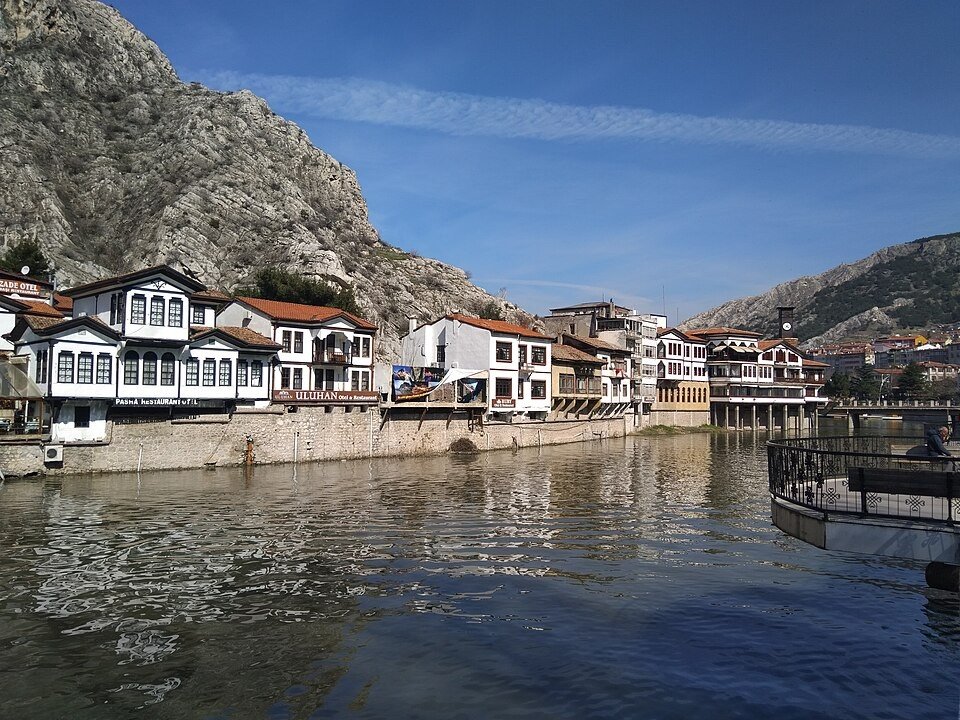
Amasya has a setting that makes you stop and look twice. Traditional houses line the Yeşilırmak, while rock-cut royal tombs punctuate the cliffs above. Walk the riverbanks, explore a museum and leave time for the stories that connect this compact city with the wider history of Anatolia.
Amasya’s history is unusually legible in its setting. Ottoman houses line the Yeşilırmak beneath cliffs cut with the tombs of Pontic rulers, while a medieval hospital records another strand of the city’s past. The river ties these periods together, creating a long, narrow urban landscape in which domestic architecture and monumental remains face one another across the water.
The historic houses create Amasya’s most distinctive streetscape. A house-museum visit adds a glimpse of domestic life behind the timber façades.
The riverfront houses use projecting upper floors and timber-framed construction to make the most of a restricted site between the water and the cliffs. Hazeranlar Mansion gives a closer view of nineteenth-century domestic life. Its rooms open around a central hall, with furnishings and household objects helping explain how the interior was organised and used.
Plan your visit Confirm the mansion’s current opening arrangements and allow for steps.
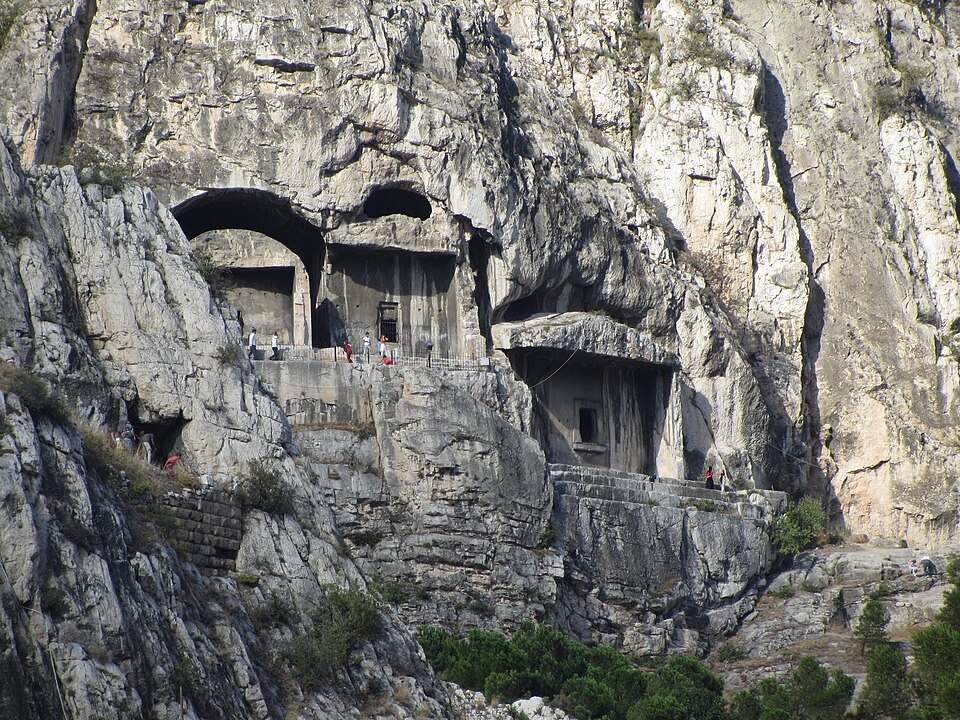
The tombs of Pontic kings bring an ancient layer to the cliff face above the river. They remain striking even when appreciated from below.
The rock-cut monuments belonged to the rulers of the Hellenistic Kingdom of Pontus. Their chambers and imposing façades were carved into the limestone above the city, making the burial landscape visible from the river valley. The steep rock face is part of their effect: these were monuments intended to stand apart from ordinary buildings below.
Plan your visit Check the authorised approach and current access. Choose a riverside viewpoint if steep paths do not suit your party.
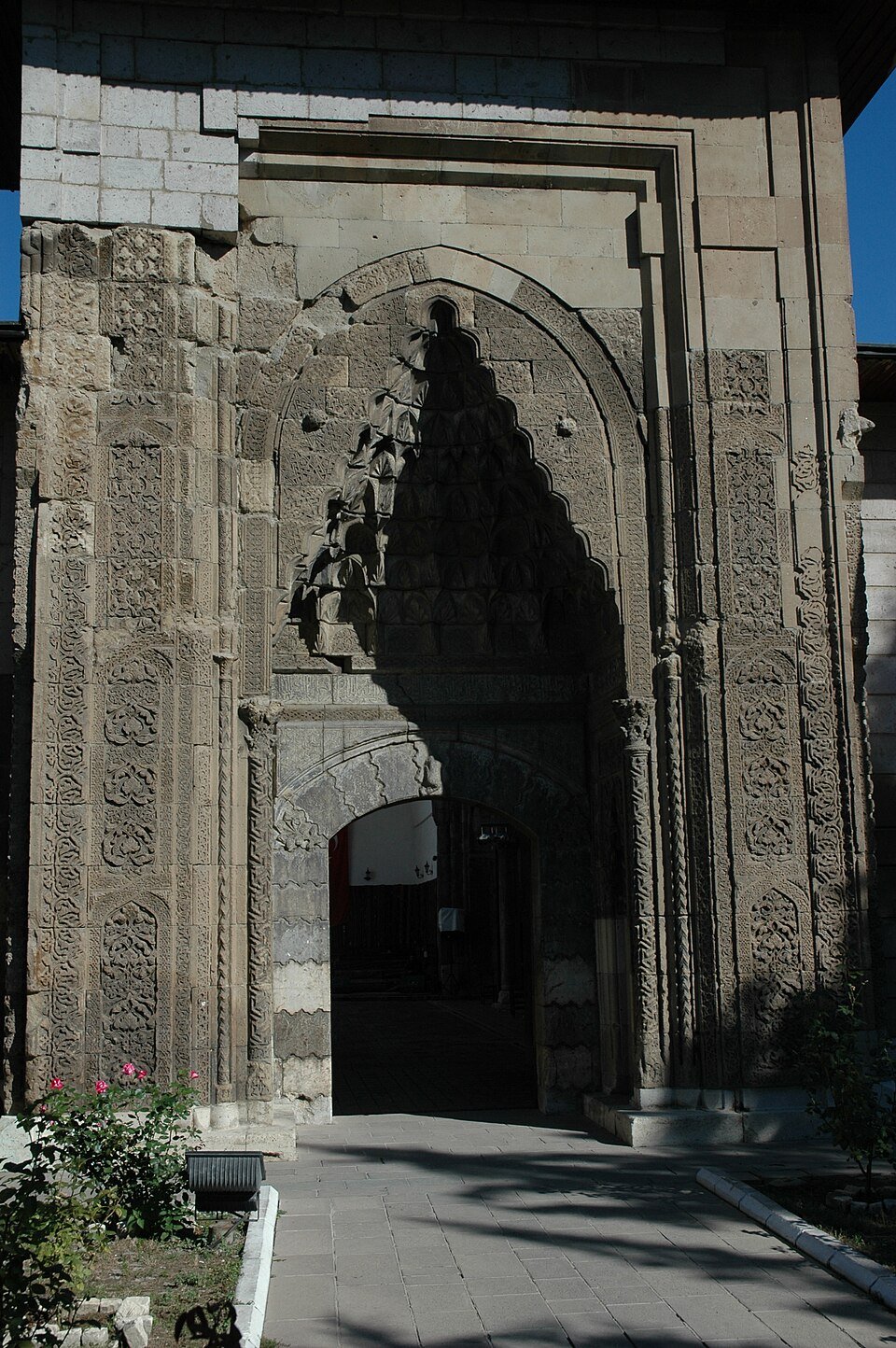
The Sabuncuoğlu Şerefeddin museum introduces the city’s medical heritage, a less expected subject than another palace or fortress.
The former Bimarhane was built in 1308–1309 during the Ilkhanid period. Its carved entrance leads into a courtyard building associated with medical care and education. Today the museum takes its name from the fifteenth-century physician Sabuncuoğlu Şerefeddin and presents the history of medicine, surgery and therapeutic music within this much older architectural setting.
Plan your visit Ask about current displays and available visitor languages.
A museum devoted to lovers and their stories adds a personal, imaginative angle to an Amasya visit. It is a different way to connect with the city’s traditions.
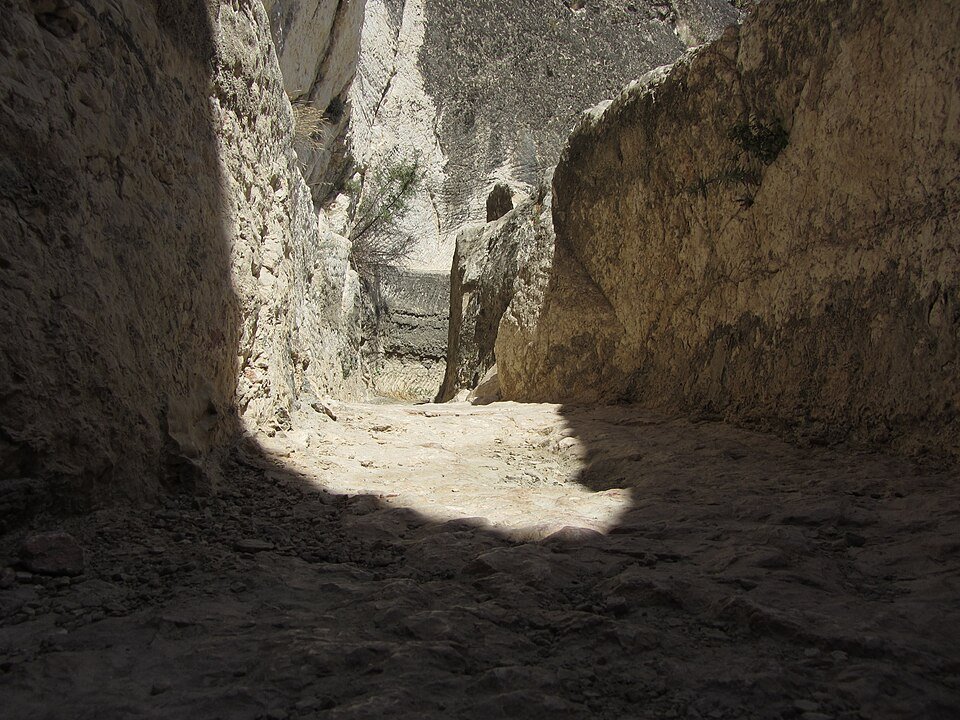
The story of Ferhat cutting through the mountain for Şirin belongs to local legend. It became attached to a real ancient water channel outside the centre, which supplied the city rather than being created for a romance. The museum interprets the lovers’ story, while the surviving channel gives the tale a tangible connection with Amasya’s engineered landscape.
Plan your visit Check current access and arrange transport to this separate stop.
Suggestions are based on location and the hotels’ published information, not personal inspections. Confirm room types, accessibility, parking and current rates directly. Need help with a group hotel request?
Getting here & around
Arrive with a plan.
Amasya is an inland city, not a Black Sea beach resort. Check coach routes or flights into nearby Merzifon, MZH, and arrange the final transfer. Confirm local transport before an outing beyond the centre.
Information reviewed October 24, 2026. Confirm changing details with the attraction or hotel before travelling.
Sources & photograph credit
Every photograph is credited beside the image and in its enlargement. Historical and contextual views are labelled in their captions. The five photographs retained from the earlier guide were checked against their Commons originals.
Visitor information is linked beside each attraction. Hotel contact details come from the official hotel websites linked above.
Additional historical and architectural research reviewed 31 October 2026: