Start with the skyline, then follow the city into its smaller streets. Istanbul brings imperial mosques, palace courtyards, underground spaces and busy waterside neighbourhoods into one extraordinary visit. A ferry ride can be as memorable as a museum, especially when you leave enough time to explore both shores.
Istanbul’s monuments record successive imperial capitals, but the city’s everyday geography is equally revealing. Palaces and mosques occupy the historic peninsula, a vast cistern survives beneath its streets, and public ferries connect neighbourhoods across the water. Moving between Sultanahmet and Kadıköy brings those monumental and ordinary versions of the city into the same journey.
The Blue Mosque, Hagia Sophia and the surrounding historic streets introduce the imperial city. Hagia Sophia is an active mosque, so older descriptions calling it a museum are outdated.
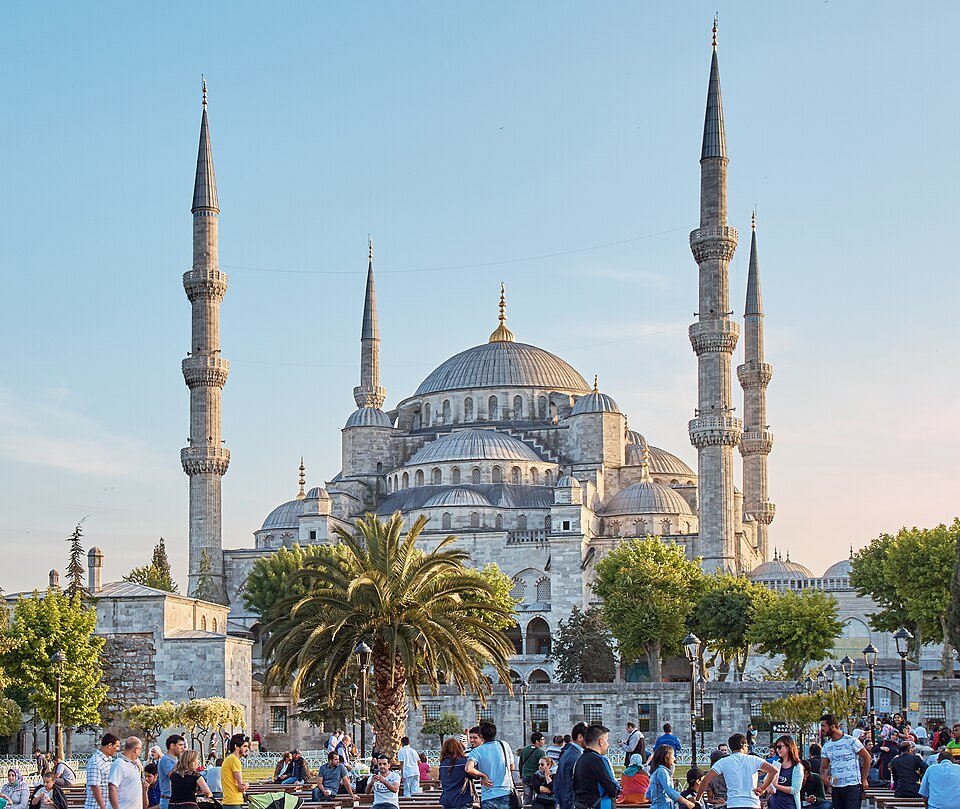
The Blue Mosque was built in 1609–1616 for Sultan Ahmed I, with six minarets and a cascading arrangement of domes. Its Ottoman architecture faces the much older Hagia Sophia across the square. Together they reveal the changing religious and imperial history of the peninsula; the Blue Mosque’s decorated interior is especially associated with İznik tiles.
Plan your visit Check current visitor access, dress requirements and prayer-time arrangements before visiting.
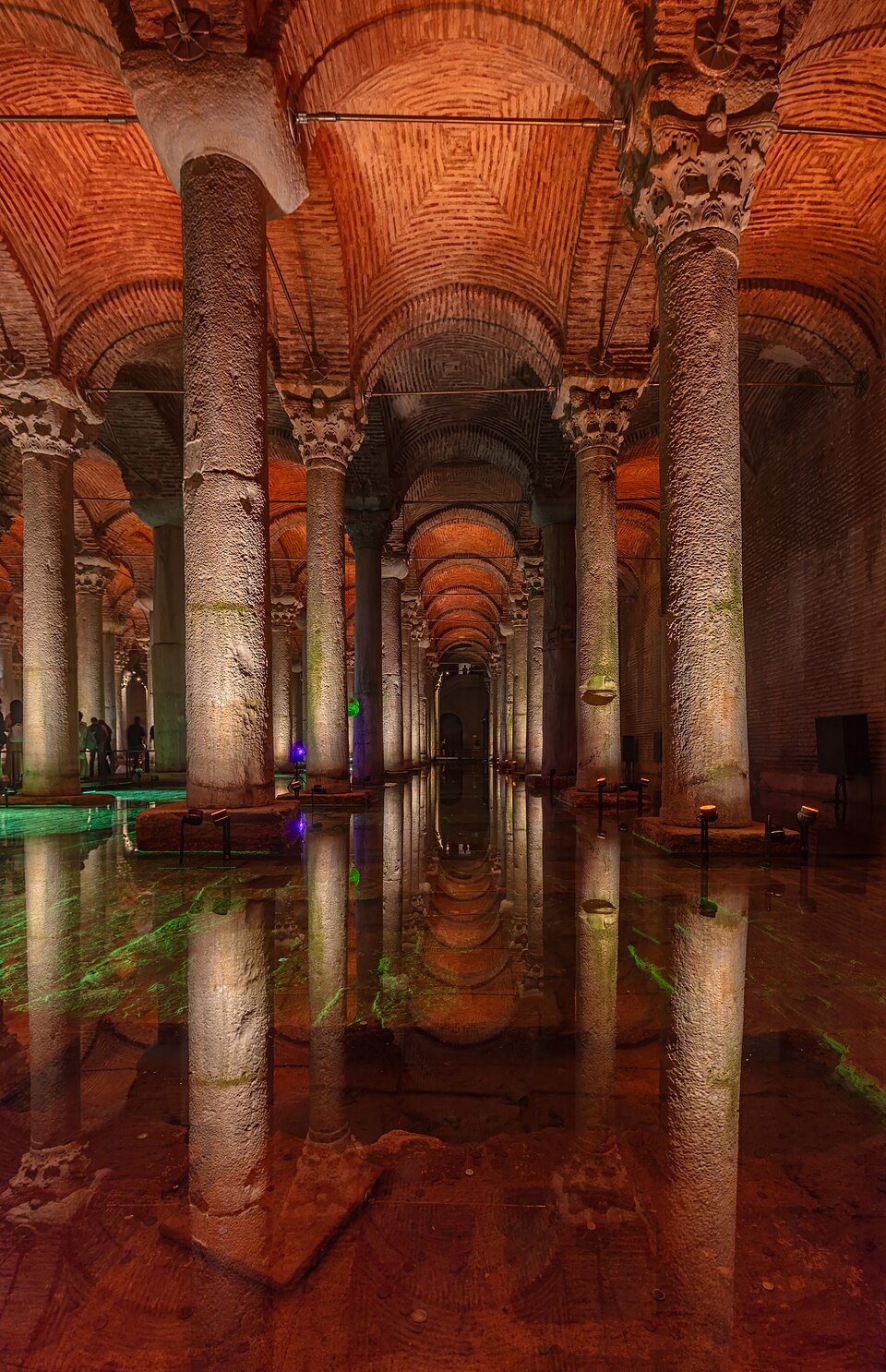
Walk beneath the city into a world of columns, reflections and changing light. This former water reservoir offers a striking contrast to the bustling streets above.
Built under Emperor Justinian in the sixth century, the cistern stored water beneath the city in an immense covered chamber. Its 336 columns are arranged in twelve rows, with reused architectural material contributing to their varied appearance. Two ancient Medusa heads form column bases, one set sideways and the other upside down, within this utilitarian Byzantine structure.
Plan your visit Use the official ticket information and check accessibility arrangements for your visit.
Courtyards, collections and views towards the water reveal the Ottoman court’s world. Choose what you want to see rather than treating the complex as one quick stop.
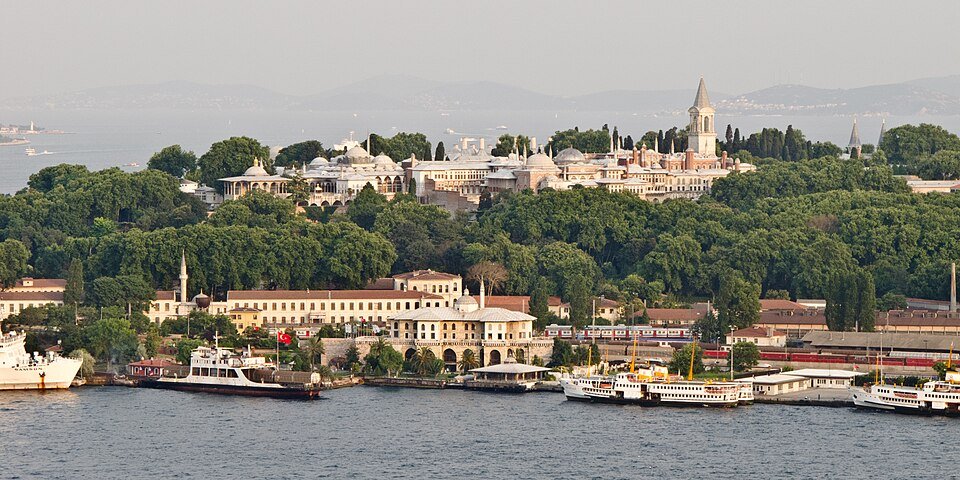
Mehmed II established the palace after the Ottoman conquest, with its principal construction undertaken in 1460–1478 and many later additions. Successive courtyards separate ceremonial, administrative and residential areas rather than forming one enormous building. Pavilions, gates and gardens express that organisation, while the palace collections add objects associated with centuries of Ottoman court life.
Plan your visit Check which sections your ticket includes and the current closing day.
A public ferry opens a different chapter of Istanbul. Explore the market and neighbouring streets, then pause by the waterfront as commuters and fishing boats pass.
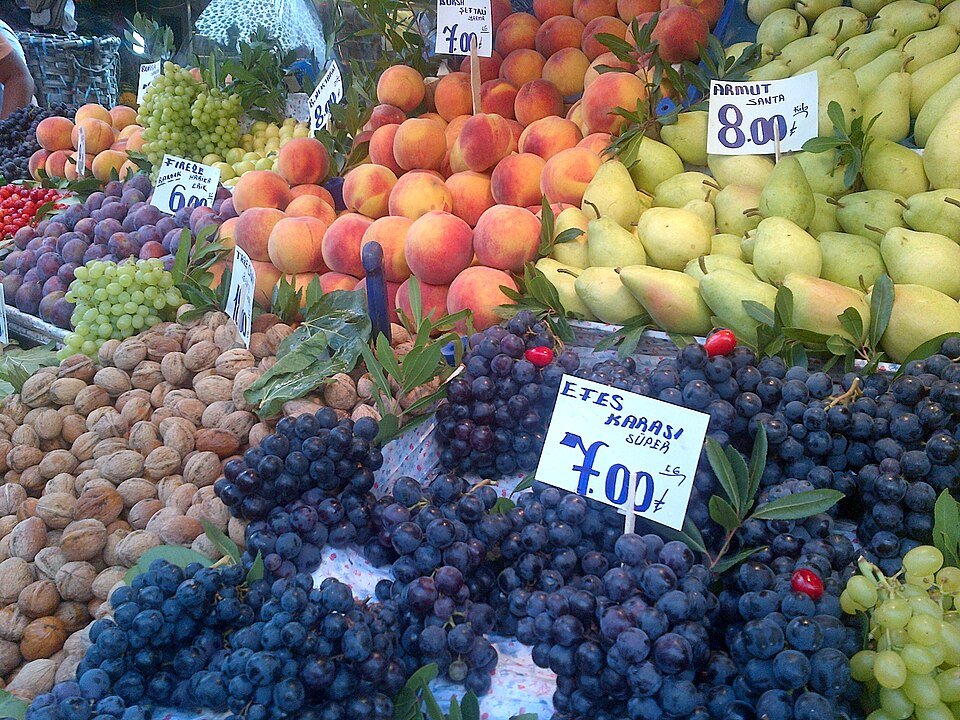
Kadıköy links the public-ferry network with a dense neighbourhood of markets, food shops and small streets on the Asian side. The crossing is part of ordinary urban transport, not solely a sightseeing excursion. Views towards the historic peninsula place the major monuments within a larger city whose daily life continues on both shores.
Plan your visit Check the public ferry route and return sailing, particularly later in the evening.
Morning: explore the Sultanahmet area and choose one major monument to visit properly.
Afternoon: visit the Basilica Cistern or a palace, allowing time for entry queues.
Another half day: cross the Bosphorus by ferry and walk through Kadıköy’s market streets.
A suggested outline, adjust it to opening days, bookings and your pace.
Enjoy the place, not just the sights
Pause. Taste. Stay a little.
Make room for a bakery breakfast, a glass of tea and a market lunch. A short ferry journey followed by a neighbourhood meal can add more to the visit than another hurried attraction.
How long to stay
Allow at least three or four nights for a first visit. Sirkeci and Sultanahmet suit the historic peninsula, while other neighbourhoods offer a different evening atmosphere.
Nearby bases, direct contact
Where to stay in Istanbul.
Two suggestions to start your search. Speak to the hotel directly.
WHERE TO STAY
Sirkeci Mansion
A historic-peninsula base near Gülhane Park and tram connections, convenient for exploring on foot.
Hoca Paşa Mah., Taya Hatun Sok. No:5, 34110 Fatih, Istanbul Türkiye
Suggestions are based on location and the hotels’ published information, not personal inspections. Confirm room types, accessibility, parking and current rates directly. Need help with a group hotel request?
Getting here & around
Arrive with a plan.
Check whether your flight arrives at Istanbul Airport, IST, or Sabiha Gökçen, SAW. They serve different sides of the city. Use the metro, tram and public ferries where practical, and ask your hotel for a realistic arrival route.
Information reviewed October 24, 2026. Confirm changing details with the attraction or hotel before travelling.
Sources & photograph credit
Every photograph is credited beside the image and in its enlargement. Historical and contextual views are labelled in their captions. The five photographs retained from the earlier guide were checked against their Commons originals.
Visitor information is linked beside each attraction. Hotel contact details come from the official hotel websites linked above.
Additional historical and architectural research reviewed 31 October 2026: