TÜRKİYE · Western Black Sea · Beyond the main circuit
Safranbolu
Ottoman houses and the scent of saffron
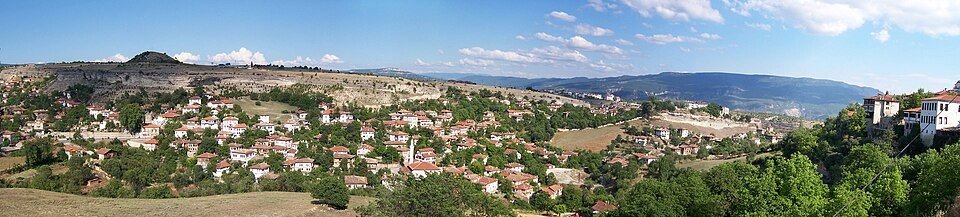
Safranbolu is a place to slow your steps. Timber-framed houses climb the slopes around the old market, while workshops, courtyards and viewpoints reward a curious wander. An overnight stay in a restored mansion lets the architecture become part of the visit.
Safranbolu prospered on caravan routes linking inland Anatolia with the Black Sea. Its UNESCO-listed townscape preserves not only timber houses but also the commercial and social spaces that supported them. Market streets, hillside viewpoints and garden districts help explain how trade, household life and seasonal patterns shaped this distinctive settlement over several centuries.
Safranbolu’s UNESCO-listed historic fabric tells the story of a prosperous Ottoman trading town. Wander the lanes around the market and look at how the houses respond to the slopes.
The town’s houses combine timber-framed upper floors with substantial lower levels, projecting bays and broad tiled roofs. Interior halls connected rooms used for different household activities, while the sloping streets created changing relationships between buildings. Safranbolu’s significance lies in this surviving urban fabric, including market districts and summer-residence areas as well as individual restored houses.
Plan your visit Some buildings are homes or businesses, enter only where visitors are invited.
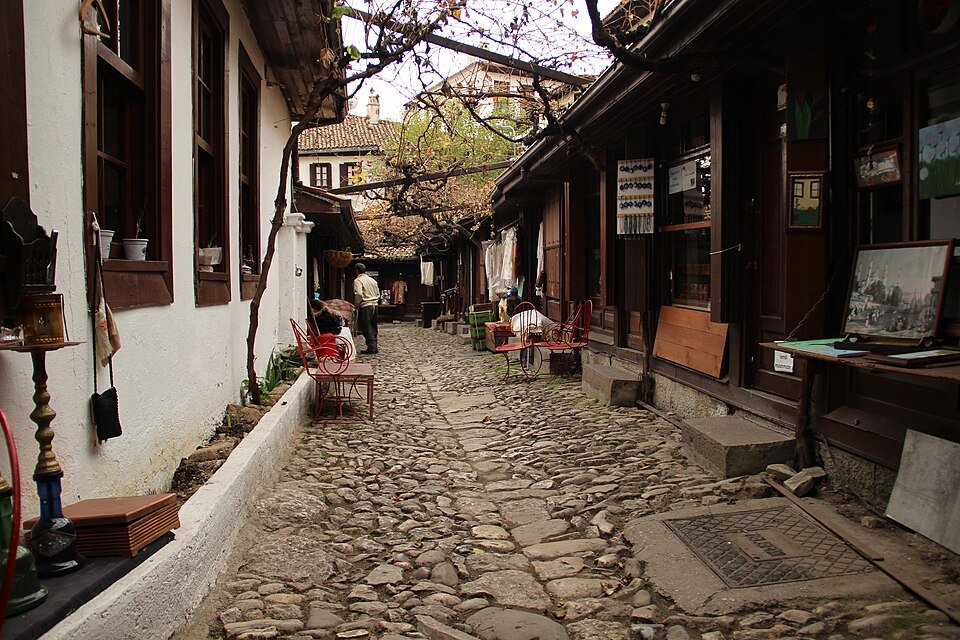
Small shops and courtyards give the town a living identity beyond its photographs. Ask about the craft behind an item before choosing a souvenir.
Yemeniciler Arastası developed as a shoemakers’ bazaar beside Köprülü Mehmet Paşa Mosque. Its small wooden shops and narrow passages show the intimate scale of the commercial quarter. Although many premises now sell different crafts and goods, the setting preserves the close relationship between specialised trades, market streets and the larger buildings of the historic centre.
Plan your visit Allow time for conversation, and ask before photographing people at work.
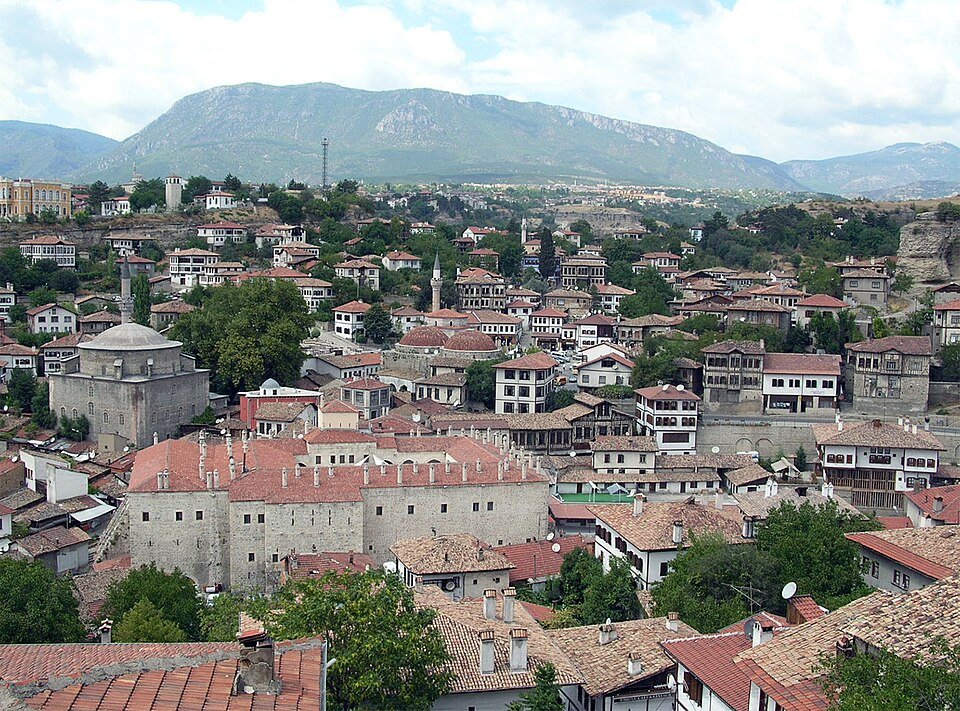
A view across the roofscape helps make sense of the town’s layout. It is a rewarding counterpoint to the enclosed feeling of the lanes below.
Hıdırlık rises above the old town and makes the relationship between roofs, streets and surrounding slopes especially clear. It also has a social and commemorative history, with graves and a longstanding association with communal gatherings. The elevated setting reveals how the historic quarter fits into the wider valley, beyond the details visible at street level.
Plan your visit Check the current approach and allow for an uphill walk.
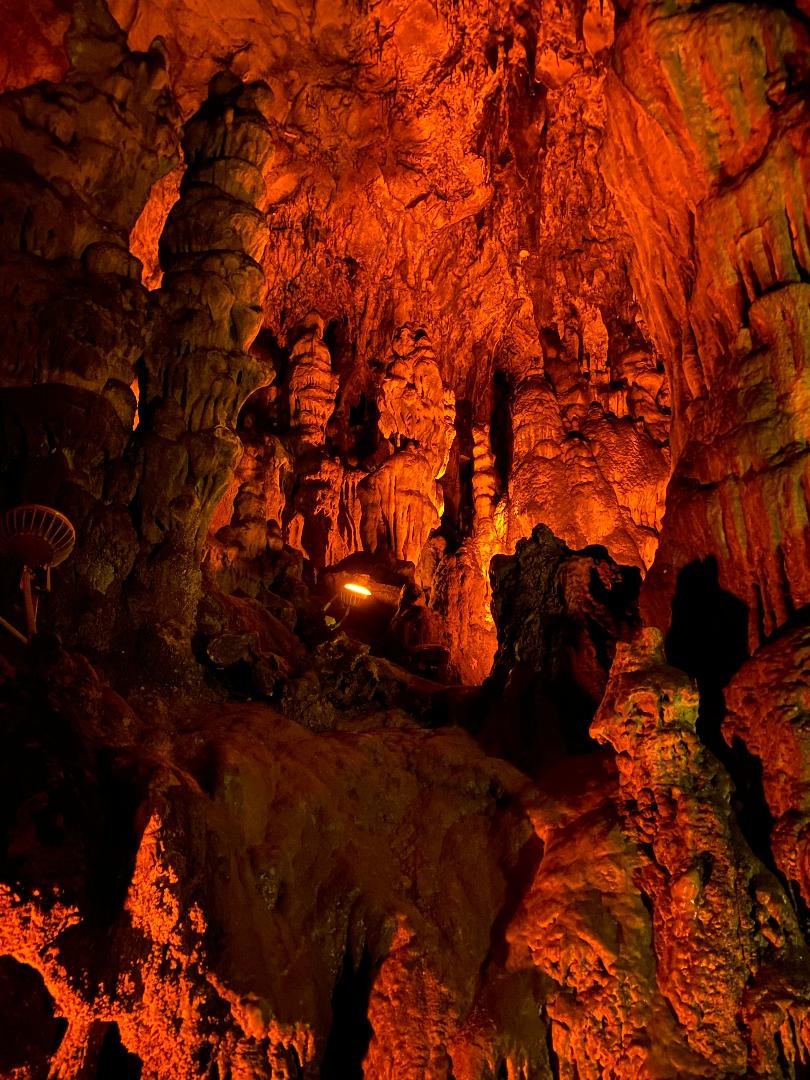
A cave outing adds a different landscape to a heritage stay. Plan it separately from the old-town walk and ask about guided access.
Bulak Mencilis is a substantial cave system with chambers and passages shaped by water. Stalactites, stalagmites and other mineral formations give the accessible interior its character. The visitor route occupies only a limited part of the much larger system, so the known extent of the cave should not be confused with the distance open to an ordinary visit.
Plan your visit Check current entry arrangements, stairs and the suitability of the visitor route for your party.
Morning: explore the old bazaar and watch for working craft shops.
Afternoon: visit a house museum or find a viewpoint above the roofs.
Another half day: arrange a visit to Bulak Mencilis Cave or a countryside stop.
A suggested outline, adjust it to opening days, bookings and your pace.
Enjoy the place, not just the sights
Pause. Taste. Stay a little.
Taste local lokum and ask about saffron products. A tea stop in a courtyard is a good excuse to pause and notice the details of a traditional house.
How long to stay
Two nights allow time for the old centre and a separate cave or countryside outing. Historic mansion hotels may have stairs and uneven approaches, ask before reserving.
Nearby bases, direct contact
Where to stay in Safranbolu.
Two suggestions to start your search. Speak to the hotel directly.
WHERE TO STAY
Gülevi Safranbolu
A historic-centre mansion base for exploring the old streets on foot.
Hükümet Sok. No:46, 78600 Safranbolu, Karabük Türkiye
Suggestions are based on location and the hotels’ published information, not personal inspections. Confirm room types, accessibility, parking and current rates directly. Need help with a group hotel request?
Getting here & around
Arrive with a plan.
Reach Safranbolu by road or intercity coach, often via Karabük. Check the arrival station and final transfer to the old centre. Consider combining it with Amasra, allowing time for the drive.
Information reviewed October 24, 2026. Confirm changing details with the attraction or hotel before travelling.
Sources & photograph credit
Every photograph is credited beside the image and in its enlargement. Historical and contextual views are labelled in their captions. The five photographs retained from the earlier guide were checked against their Commons originals.
Visitor information is linked beside each attraction. Hotel contact details come from the official hotel websites linked above.
Additional historical and architectural research reviewed 31 October 2026: