Sandomierz is a small city with an unexpectedly adventurous side. A hilltop square and historic gateways lead towards underground merchant cellars, castle views and a shaded ravine cut into soft loess. It is an appealing place to trade a fast itinerary for a day of discoveries on foot.
The relationship between the hill and the Vistula helps explain the town’s shape. A surviving medieval gateway marks the old defences, the town hall anchors the sloping market, and former storage chambers extend the trading settlement underground. Nearby loess ravines expose a different kind of history, formed by erosion rather than construction. Castle, cellars and landscape make the small centre feel unusually layered.
The underground route introduces the cellars beneath the historic town, while the loess ravines reveal a very different landscape nearby. These are distinct experiences, one interpreted underground and the other outdoors. Keep the town’s square, gate and museum as a coherent cultural day.
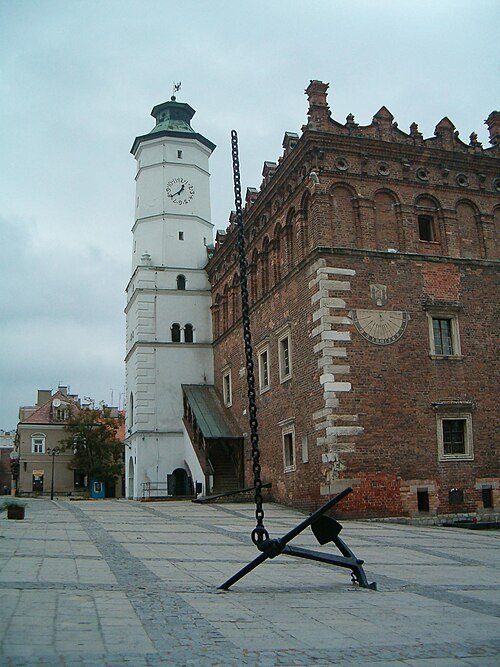
The sloping square, town hall and historic gate offer an inviting introduction to this Vistula city. Views help explain why the settlement grew on its hilltop.
The town hall combines a medieval core with a Renaissance decorative attic, while the Opatów Gate preserves a fourteenth-century entrance through the former defences. The sloping market and the height of the surviving gateway make the hilltop position apparent. Their different forms express civic life and defence within the same compact town.
Plan your visit Tower access involves steps, confirm arrangements if mobility is limited.
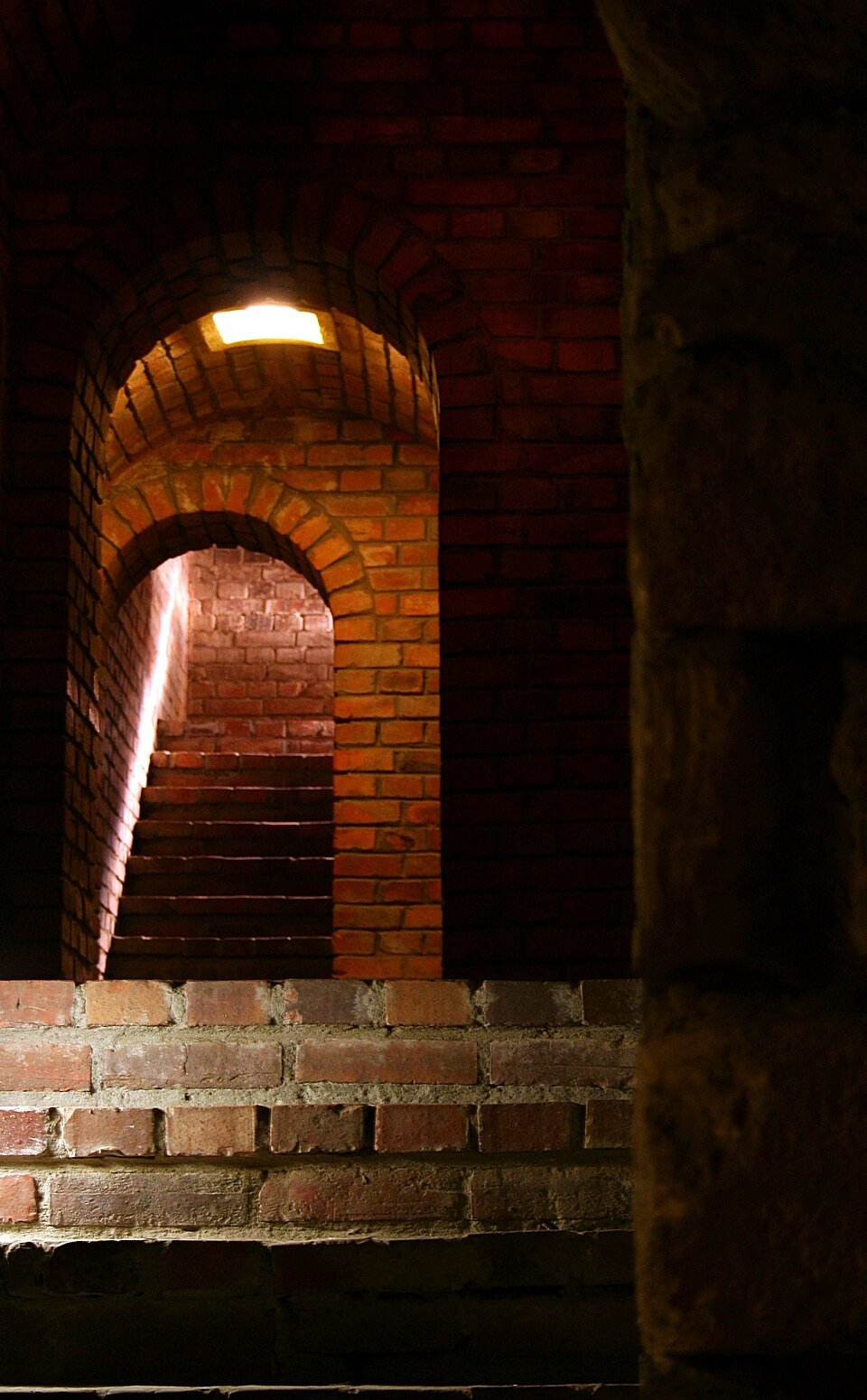
Connected former merchant cellars lead beneath the Old Town. The route gives a different perspective on the work of a trading city and the ground supporting its houses.
The cellars were dug for merchants between the fifteenth and seventeenth centuries, making use of the workable loess beneath the town. Connected chambers and passages now form a route of roughly 470 metres, with its deepest parts about 12 metres below the market. Their construction reveals the storage space required by the trading settlement above.
Plan your visit Check guided entry times and bring a layer for the cooler underground conditions.
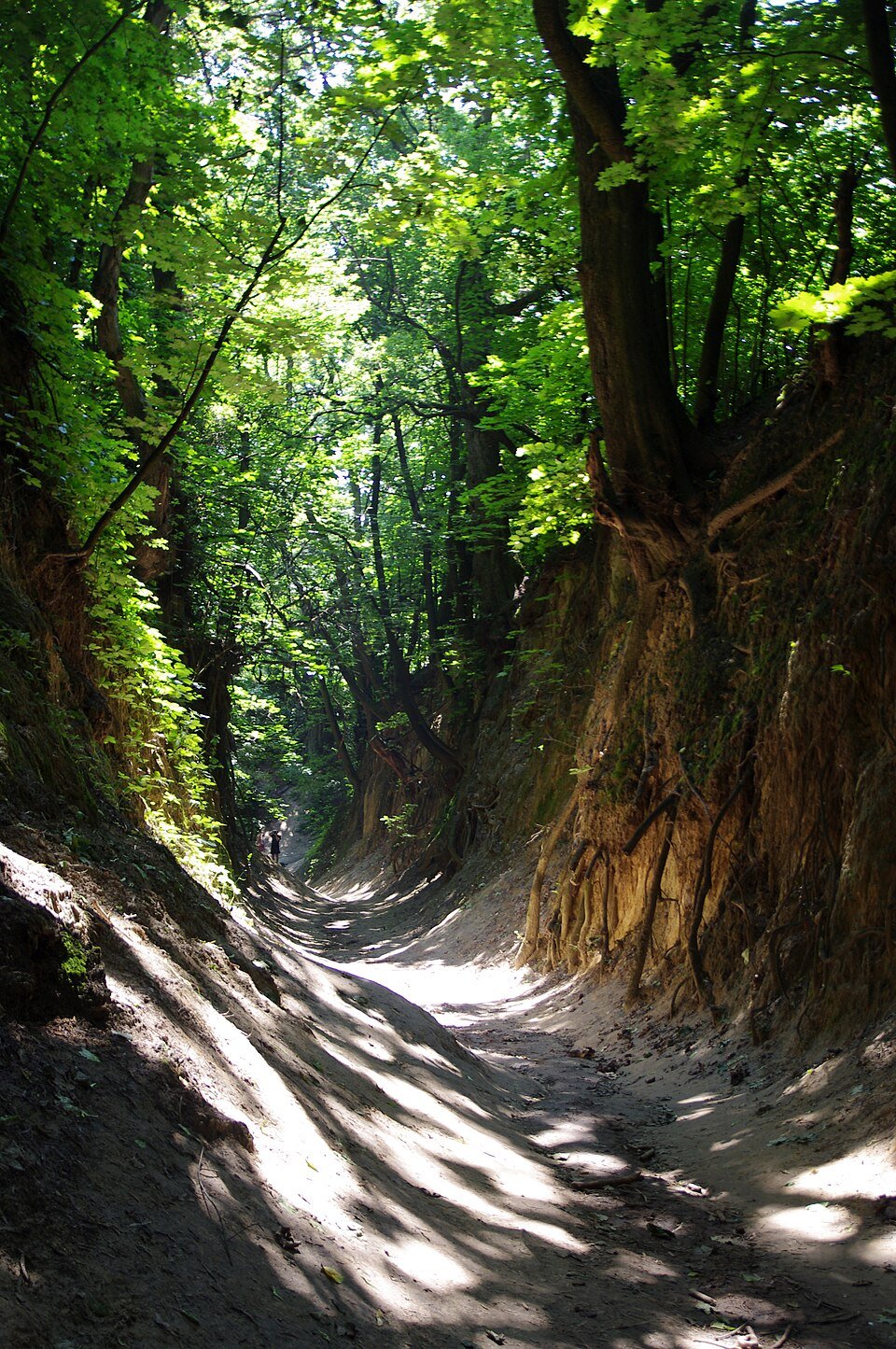
Exposed tree roots and steep loess walls create a small, atmospheric world within reach of the historic centre. This is the sort of discovery that makes a short town stay feel much bigger.
The ravine was cut by water flowing through the loess slope over a long period. Its narrow floor, high earth walls and exposed tree roots create an enclosed landscape beneath the tree canopy. The name is associated with a legend about Queen Jadwiga; the visible landform itself is the result of erosion rather than a built passage.
Plan your visit Wear shoes with grip. The natural surface can become slippery or muddy after rain.
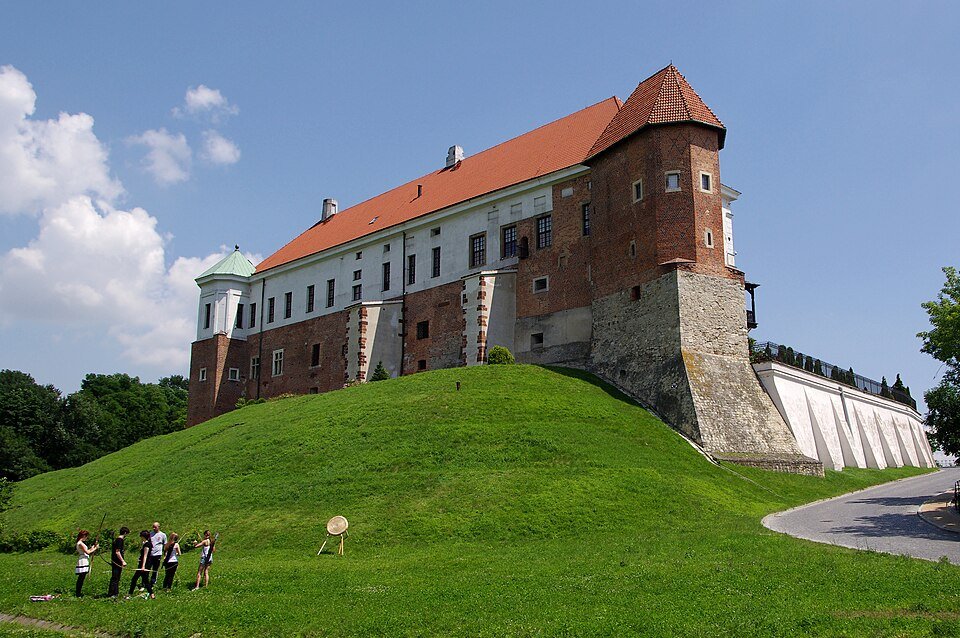
Pair a castle museum visit with a walk towards the Vistula for a change of level and scenery. Choose a shorter loop if you want an easy family afternoon.
The royal castle originated in the fourteenth century on the site of an earlier stronghold and was subsequently rebuilt. Its position above the Vistula connects the building with the wider defensive and river landscape. The surviving complex now houses a museum, adding collections and interpretation to the architectural story visible from outside.
Plan your visit Check museum exhibitions and allow for the climb back to the Old Town.
Check the official attraction links for dates, tour languages and entry arrangements. Book the visits that matter most first, then fit transport and hotel plans around them. Confirm accessibility directly with the venue.
The Old Town, tower and cellars have different access demands. A loess ravine can be uneven, muddy or slippery, it is not a paved family promenade. Choose the exact route and turnaround for your party and ask about current ground conditions.
Confirm underground tours and the gate or museum’s visiting dates separately. Ravine walking depends on the weather. Orchard and vineyard visits outside town need arrangements with the producer, not just a pin on a map.
Morning: enjoy the Market Square and views around the Opatów Gate.
Afternoon: visit the underground route, then choose a dry-weather walk in the ravine.
Evening: return to the square for dinner and a quieter look at the old streets.
A suggested outline, adjust it to opening days, bookings and your pace.
Enjoy the place, not just the sights
Pause. Taste. Stay a little.
Explore regional apple and orchard traditions, and ask local restaurants about seasonal dishes. If tasting local wine, arrange transport before visiting vineyards outside the town.
How long to stay
One or two nights gives time for the old centre, a cellar visit and a nature walk. Choose the Old Town or its immediate edge to keep the main sights close.
A meal belongs in the plan
Eat & drink.
Restauracja pod Ciżemką
A Market Square dining option that publishes group-meal information. Ask about the current menu and the time needed for your party.
Suggestions are based on location and the hotels’ published information, not personal inspections. Confirm room types, accessibility, parking and current rates directly. Need help with a group hotel request?
Fewer than 15 rooms? Contact the hotel directly. 15 rooms or more?Ask ATA for low group rates → We use existing agreements where available and negotiate when needed.
Getting here & around
Arrive with a plan.
Plan the actual bus or rail arrival and onward connection to the hilltop Old Town. For accommodation outside the historic centre, check the walk and gradient before choosing it. Rural tasting visits require a separate transfer and return plan.