Tarnów is a rewarding pause between Poland’s headline destinations. Its Renaissance square invites a slower walk, while Jewish heritage and regional museums give the city depth. Nearby Zalipie adds a different kind of artistry, flowers painted across village homes and farm buildings.
The town hall and surrounding arcades form the most recognisable architectural ensemble, but Tarnów’s history extends beyond its Renaissance appearance. The surviving synagogue bimah recalls Jewish religious life and its destruction under German occupation. Regional collections introduce other communities and traditions, including Romani history, while the painted houses of Zalipie connect a city stay with the domestic creativity of the surrounding countryside.
Tarnów’s Renaissance centre, Jewish heritage and regional collections provide different ways to understand the city. Zalipie adds a distinct folk-art excursion outside town. Treat the painted village as a living community with its own geography and visiting arrangements, rather than a single open-air exhibition.
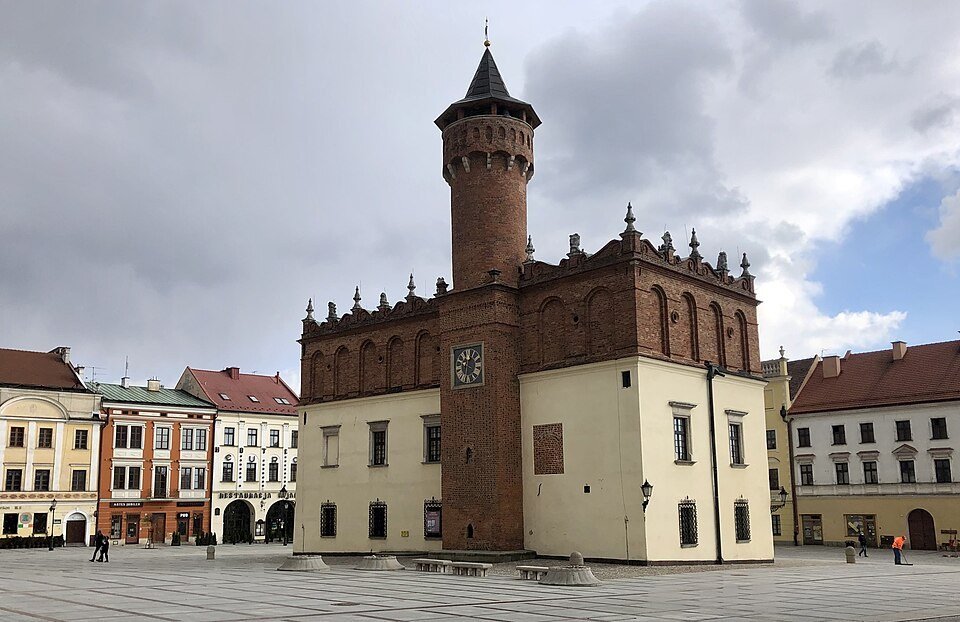
The compact square and town hall make a memorable first impression. Explore the surrounding lanes to understand why Tarnów deserves a stay of its own.
The town hall’s brick body, tower and ornamental attic make it the square’s architectural anchor. Its upper decoration includes blind recesses and sculpted forms, while the surrounding houses create a smaller scale of arcades and façades. The building also has a museum history, linking the seat of municipal government with the preservation of the town’s collections.
Plan your visit Ask the visitor centre about current museum exhibitions and guided walks.
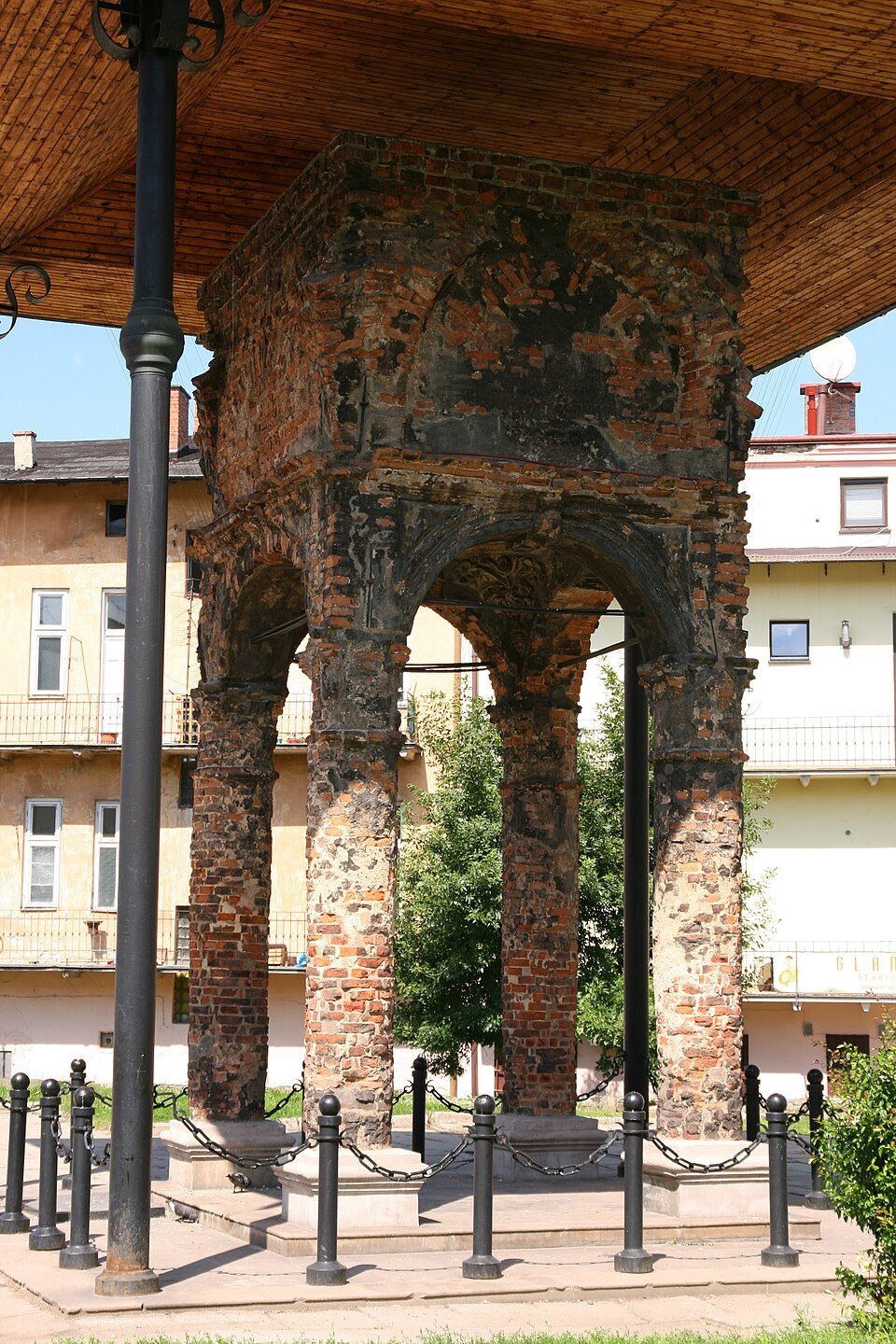
The surviving bimah and other heritage sites recall a community profoundly affected by the Holocaust. A well-informed walk brings meaning to places that might otherwise be passed without understanding.
The bimah was the central place from which the Torah was read in the Old Synagogue. Its surviving supports preserve a fragment of the religious space destroyed under German occupation in 1939 and the years that followed. The remains therefore recall the daily life and worship of the former community as well as the violence that brought that world to an end.
Plan your visit Use the local visitor office’s heritage information and approach memorial sites respectfully.
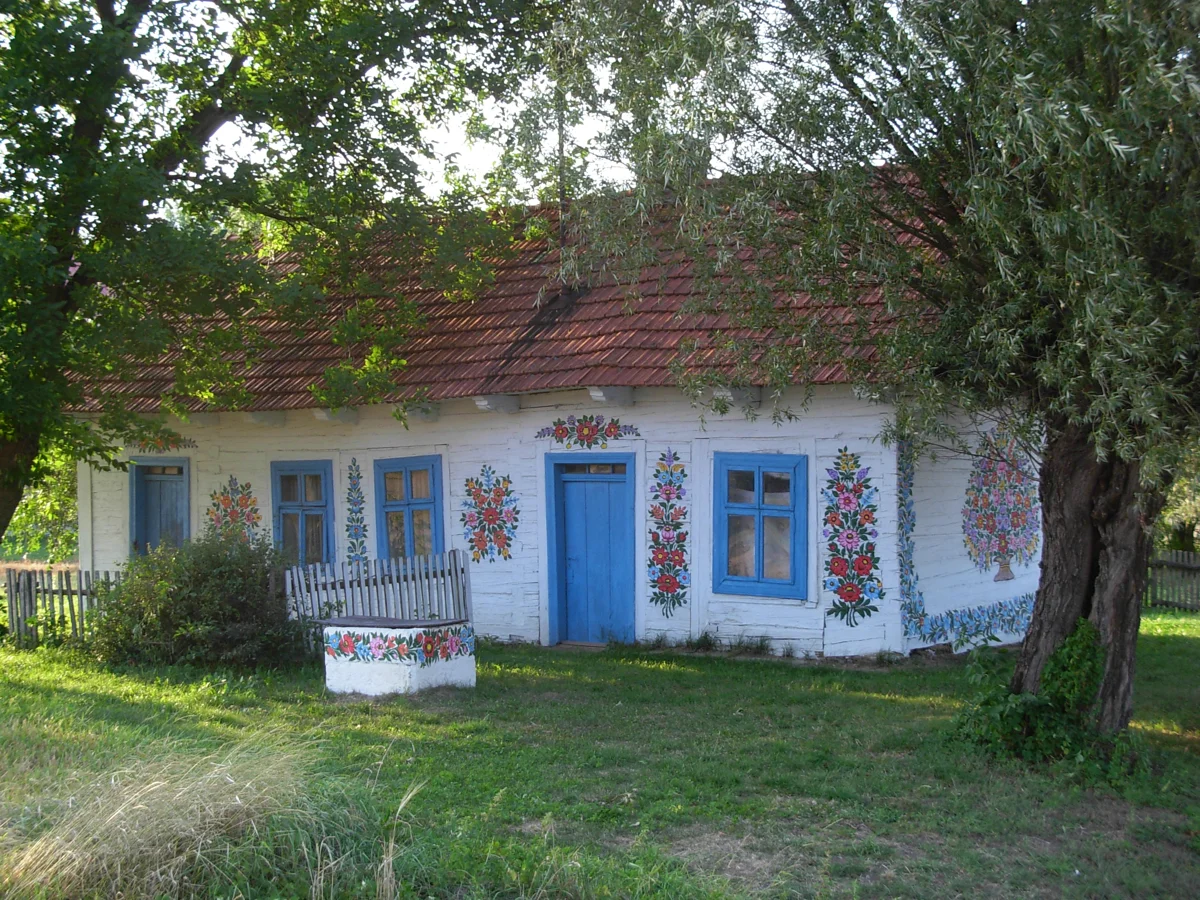
Floral patterns brighten houses and outbuildings across a living village. Felicja Curyłowa’s preserved homestead offers a focused introduction to the craft and its history.
The floral tradition developed from efforts to brighten smoke-darkened domestic interiors. Simple lime spots gradually became flowers and elaborate bouquets, extending onto other household surfaces. Felicja Curyłowa’s preserved farmstead gives this regional practice an individual setting, showing how decoration could transform ordinary buildings and objects into a personal visual world.
Plan your visit This is a separate excursion. Many houses are private homes, visit invited spaces and check museum opening days.
Choose a museum that matches your interests, from town history to regional culture. Tarnów is a useful place to make an itinerary more personal rather than simply adding another famous monument.
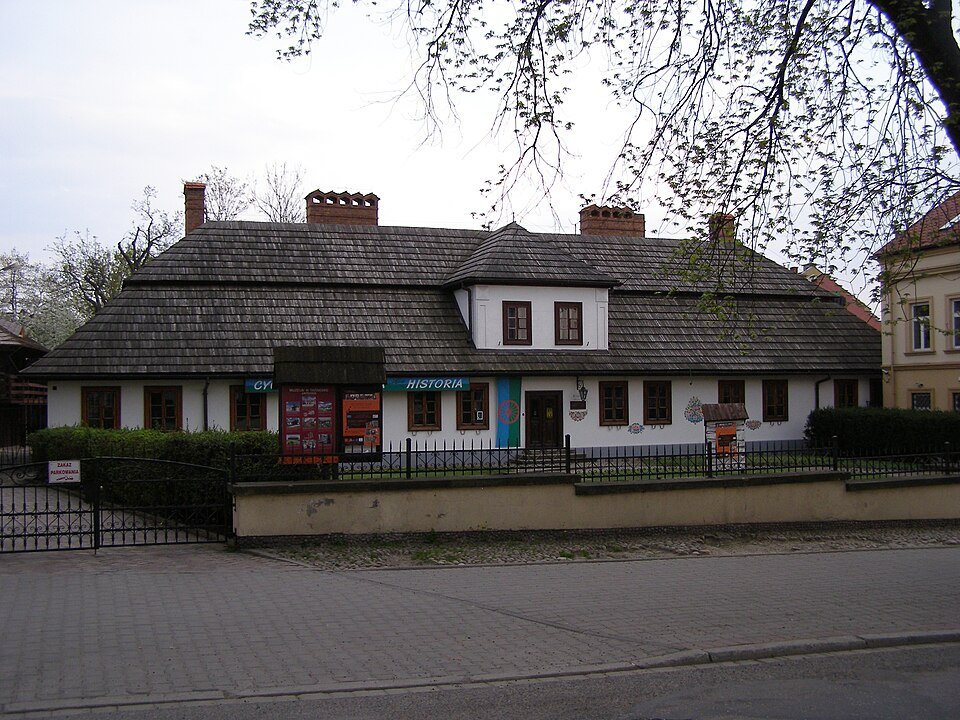
One focused option is the Ethnographic Museum in a historic manor house on Krakowska Street. Its permanent exhibition explores Romani history and culture in Poland within a wider European context. The building, garden and collections provide a different perspective from the market-square architecture, connecting the region with communities whose histories extend beyond one town.
Plan your visit Confirm current exhibitions, language support and group bookings with tourist information.
Check the official attraction links for dates, tour languages and entry arrangements. Book the visits that matter most first, then fit transport and hotel plans around them. Confirm accessibility directly with the venue.
A town-centre walk and one selected museum can make a manageable family day. Ask about steps in historic buildings. For Zalipie, choose a specific visit or workshop and check the walking distances between the places you want to see.
Check each museum branch and guided visit for the actual date. Zalipie’s houses are not all public interiors, so use the local visitor service to plan a respectful visit and reserve any workshop.
Morning: explore the market square, town hall area and old streets.
Afternoon: follow Jewish heritage sites with information from the local visitor office.
Another day: arrange a visit to Zalipie, with time for the museum and the village.
A suggested outline, adjust it to opening days, bookings and your pace.
Enjoy the place, not just the sights
Pause. Taste. Stay a little.
Look for regional Małopolska cooking and ask the visitor centre about local producers. Keep time for a square-side café rather than treating Tarnów as a transit stop.
How long to stay
Allow two nights if you want to combine the city with a separate Zalipie outing. Central accommodation keeps the historic walk simple, while station-area hotels suit rail arrivals.
A meal belongs in the plan
Eat & drink.
Mozaika’75 at Hotel Tarnovia
The hotel’s restaurant publishes a current menu. Contact the dining team for kitchen service and group-table arrangements.
Suggestions are based on location and the hotels’ published information, not personal inspections. Confirm room types, accessibility, parking and current rates directly. Need help with a group hotel request?
Fewer than 15 rooms? Contact the hotel directly. 15 rooms or more?Ask ATA for low group rates → We use existing agreements where available and negotiate when needed.
Getting here & around
Arrive with a plan.
Tarnów station gives a rail arrival, with a separate walk or local connection to the old centre. Zalipie needs its own bus, arranged excursion or car transfer. Check the final return before committing to a workshop or village visit.