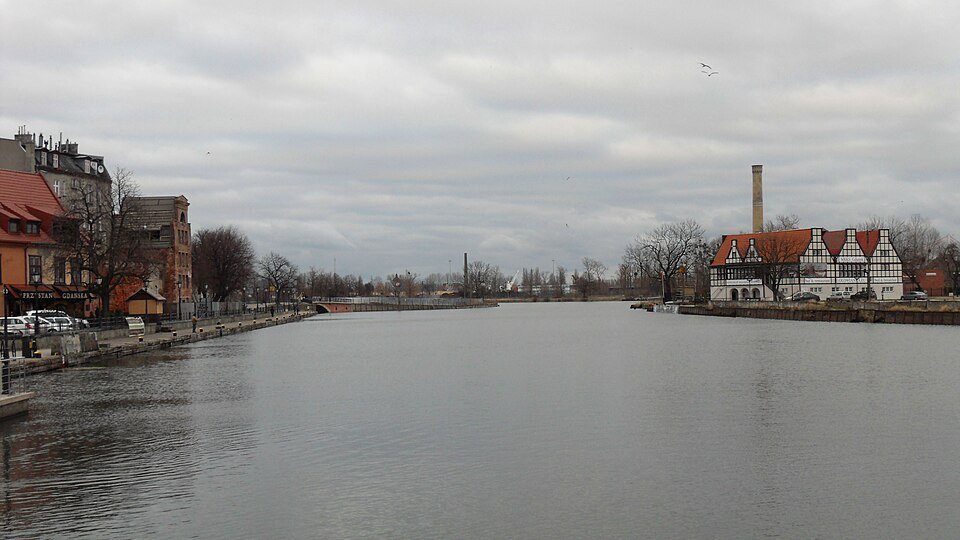
Gdańsk combines the drama of a maritime city with waterside walks and streets made for lingering. Look up at the merchant façades, follow the Motława, and make room for the shipyard story. The Baltic coast and quieter green corners are close enough to change the pace of a city stay.
The waterfront and Main Town express the wealth of a Baltic trading port, while the shipyard district tells a later story of labour and political change. Raised stone porches and narrow merchant plots give the central streets a different scale from the industrial landscape around the European Solidarity Centre. Góra Gradowa and the coast add two more perspectives: fortified heights above the city and low, open shores beside the Vistula estuary.
Gdańsk’s waterfront and merchant streets introduce its maritime character. The European Solidarity Centre adds a separate chapter about the Solidarity movement and social change. Giving that exhibition a proper visit makes the city more than an architectural walk beside the river.
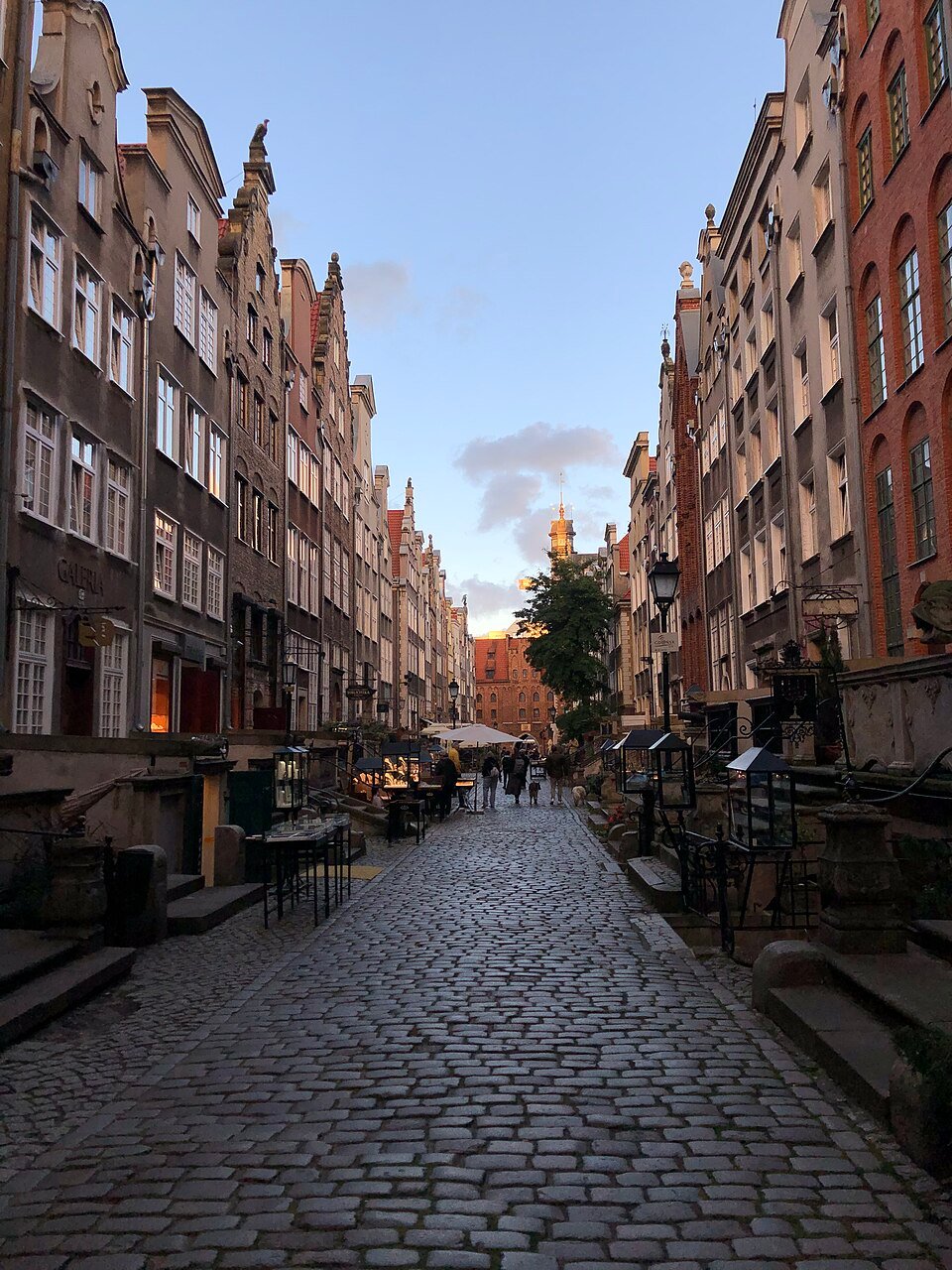
Gabled façades, the Long Market and the terraces of Mariacka Street make a rewarding first walk. The rebuilt centre tells both a trading story and a story of recovery.
Mariacka’s raised porches, stone balustrades and carved rain spouts bring the details of merchant architecture close to street level. The narrow plots and tall gables contrast with the open space of the Long Market. Much of the centre was reconstructed after wartime destruction, so the present streetscape also records a deliberate recovery of the city’s architectural identity.
Plan your visit Explore early or later in the day for a quieter walk around the best-known streets.
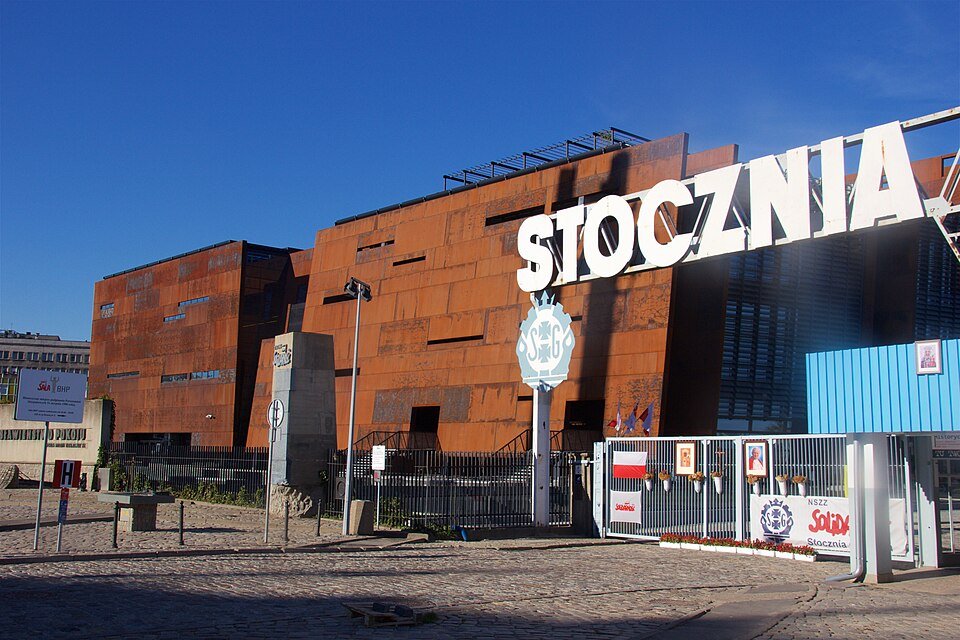
Enlarge photoShipyard Gate 2 with the European Solidarity Centre behind it. Photo: Mike Peel (www.mikepeel.net) · Wikimedia Commons · CC BY-SA 4.0. Cropped for display.
02
European Solidarity Centre
At the historic shipyard, exhibitions explore the Solidarity movement and the people who challenged communist rule. This is an essential counterpart to the merchant city.
The permanent exhibition follows the emergence of Solidarity, the imposition of martial law and the path towards democratic change. Among its central documents are the boards bearing the strikers’ 21 demands, recognised in UNESCO’s Memory of the World programme. The shipyard setting connects those written demands with the workplace and people from which the movement grew.
Plan your visit Check the museum’s ticket options and allow a substantial visit.
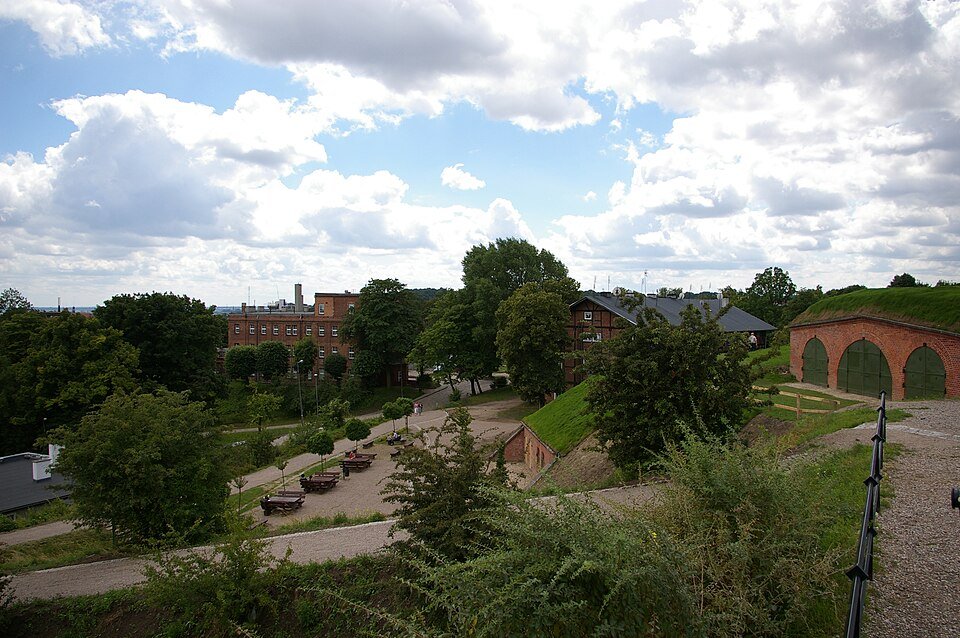
Former fortifications now house hands-on science experiences. Outside, the hill offers a fresh perspective on the city, a fine combination for families who want more than another historic interior.
Góra Gradowa is a fortified hill whose earthworks and brick military buildings remain part of the visit. The main reception occupies the former Shelter Barracks beside the fort’s central square. Science exhibitions now use these historic spaces, while the outdoor landscape and bastions explain why the elevated ground once had a defensive role.
Plan your visit The climb and cobbled surfaces need consideration for visitors with limited mobility.
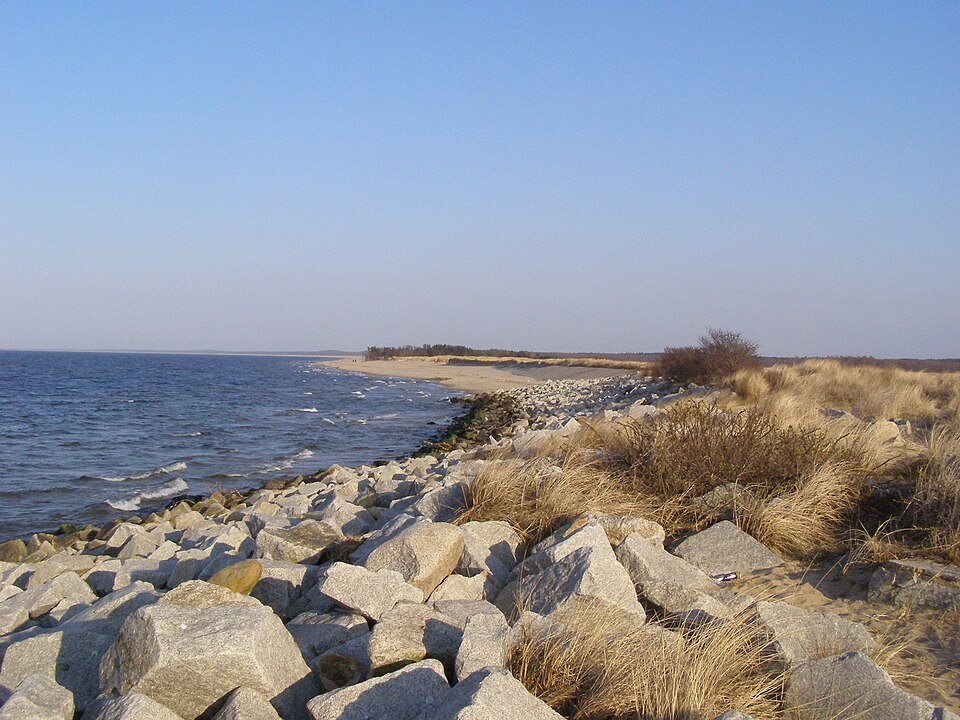
For a gentler Baltic outing, explore the island’s beach landscapes and birdwatching possibilities. It is a change of scene from the busy historic centre.
The island’s landscape is shaped by the Baltic and the changing mouths of the Vistula. The opening of the Vistula Przekop channel in 1895 helped create its present island form. Beaches, dunes, woodland and estuary habitats replace the dense streets of central Gdańsk; the pictured Messina Spit is one particular part of that wider coastal setting.
Plan your visit Use designated paths and check reserve rules. Plan transport separately from a city walking day.
Check the official attraction links for dates, tour languages and entry arrangements. Book the visits that matter most first, then fit transport and hotel plans around them. Confirm accessibility directly with the venue.
Plan a waterfront stroll and one indoor attraction, with a clear break for children. Hevelianum’s hill setting involves a different approach from the Main Town. Ask the chosen venue about the full accessible route, not only the entrance door.
Check museum opening days and language options for guided visits. Beach facilities, island outings and waterfront boats need their own seasonal and weather check. A coast holiday and a city museum break can work on very different schedules.
Morning: follow Długa and Długi Targ, then turn into the smaller streets.
Afternoon: choose the European Solidarity Centre or a maritime museum visit.
Evening: stroll the Motława waterfront and cross to the opposite bank for a different view.
A suggested outline, adjust it to opening days, bookings and your pace.
Enjoy the place, not just the sights
Pause. Taste. Stay a little.
Look for Baltic fish and regional Kashubian flavours. Mariacka Street is a memorable place to browse amber, with time to compare quality and ask questions.
How long to stay
Allow three nights to combine the historic centre with museums or the coast. The Main Town and nearby islands are convenient for waterside evenings.
A meal belongs in the plan
Eat & drink.
Brovarnia at Hotel Gdańsk
A waterfront-area dining option with its own restaurant contact. Confirm kitchen service and group-table arrangements for your date.
Suggestions are based on location and the hotels’ published information, not personal inspections. Confirm room types, accessibility, parking and current rates directly. Need help with a group hotel request?
Fewer than 15 rooms? Contact the hotel directly. 15 rooms or more?Ask ATA for low group rates → We use existing agreements where available and negotiate when needed.
Getting here & around
Arrive with a plan.
Gdańsk Główny is the main city arrival. The city’s Main Town, Oliwa, beaches and Sobieszewo Island are separate destinations. Check the correct regional rail or city service, ticket and final stop, especially when adding Sopot or Gdynia.