Toruń combines red-brick Gothic architecture with a sweet streak of imagination. The medieval streets, Copernicus stories and gingerbread traditions are close enough to enjoy without rushing. End a day beside the Vistula and see the skyline settle into the evening.
The medieval ensemble extends beyond the best-known square to merchant houses, churches, defensive remains and the riverfront. Its brick architecture provides the setting for the Copernicus family story, while gingerbread workshops reveal a craft associated with the city’s trading traditions. Fort IV belongs to a later defensive ring, creating a sharp contrast between the close-built medieval streets and the earthworks of a nineteenth-century military landscape.
Toruń’s medieval fabric reflects its importance as a Hanseatic trading town. Brick buildings, the Old and New Towns and the castle remains belong to that wider story. Gingerbread and the Copernicus connection add personal ways into it, without replacing the town itself.
The UNESCO-listed ensemble includes the Old Town, New Town and castle remains. Red brick, merchant houses and defensive walls tell a long trading story.
The World Heritage ensemble includes two medieval towns and the remains of the Teutonic castle, rather than just a single market square. Brick churches, merchant houses and defensive structures preserve the relationship between trade, religion and military power. The Vistula panorama shows the scale of the historic settlement as a continuous river-facing townscape.
Plan your visit Leave time for side streets instead of treating the centre as one square.
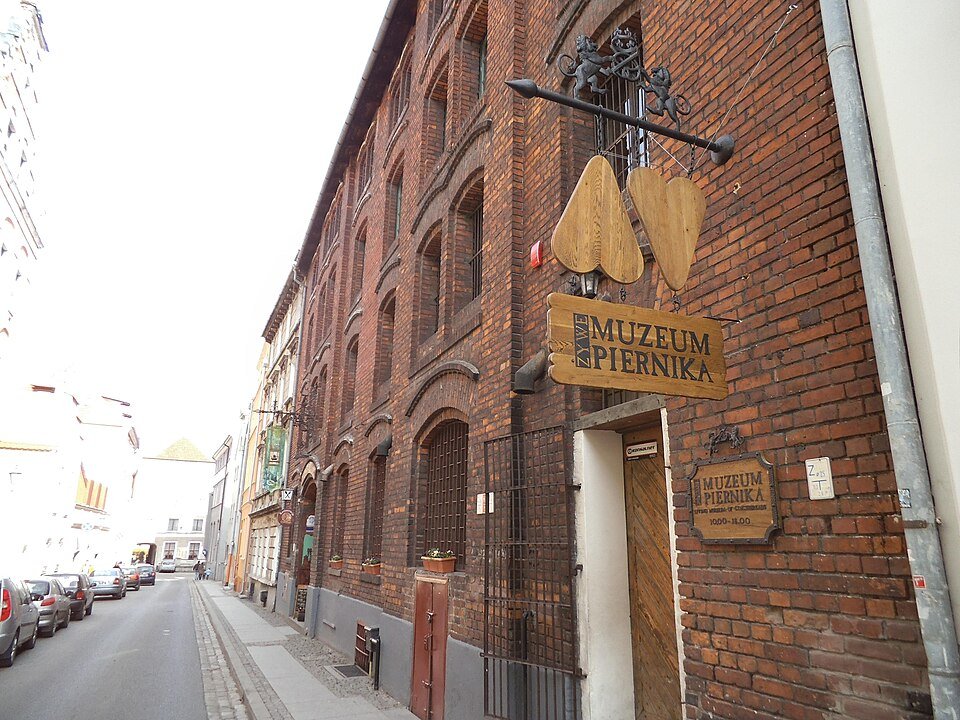
Participate in a lively demonstration of an old craft, with spices, dough and traditional moulds. It is a particularly engaging family experience.
The presentation turns ingredients and patterned moulds into part of the historical explanation. Participants follow the preparation and shaping of dough, learning how spices and decorative forms contribute to the craft. The emphasis is on making and storytelling, giving the gingerbread tradition a practical dimension alongside the city’s surviving architecture.
Plan your visit Book a session and check the language. This is separate from the Museum of Toruń Gingerbread.
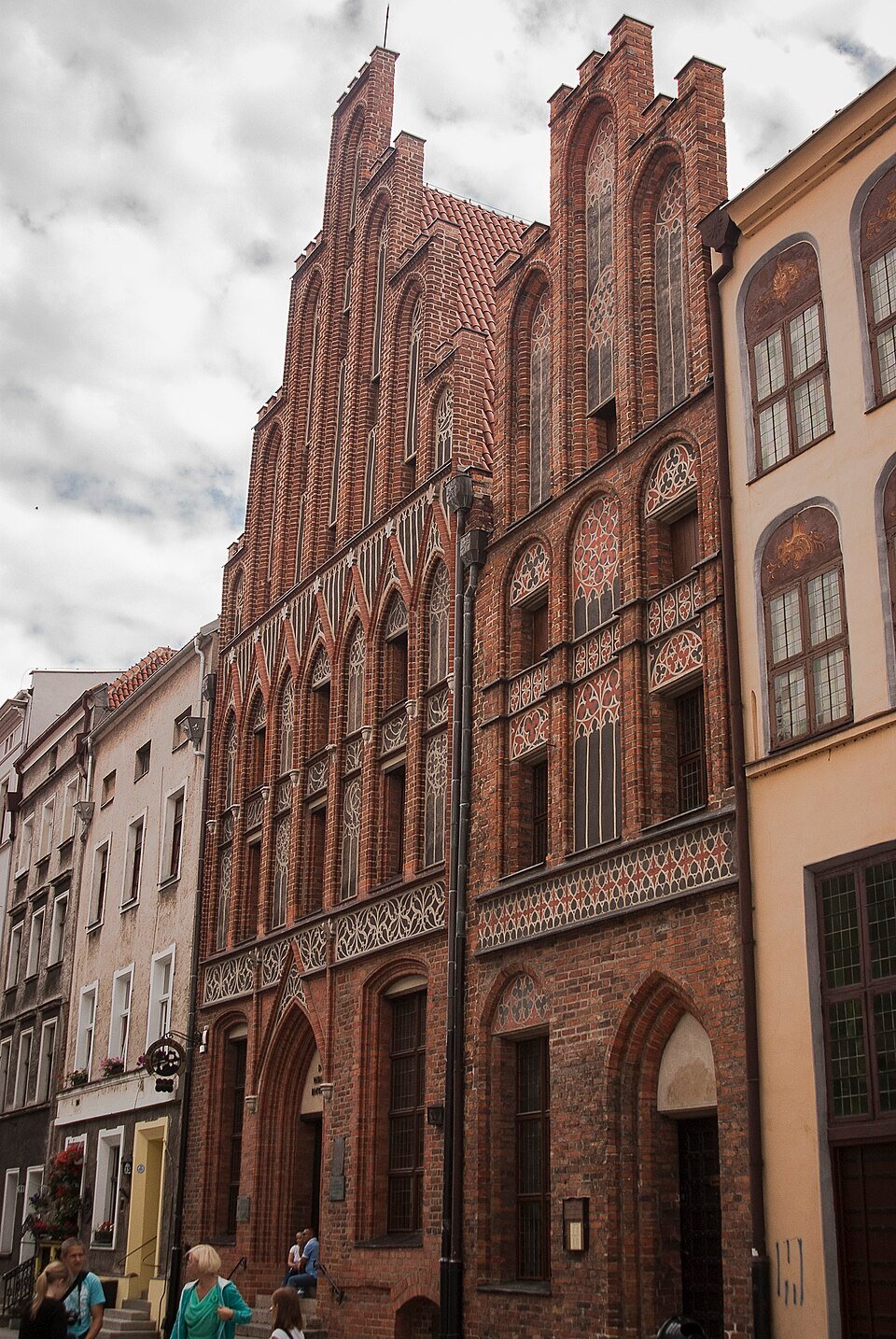
A museum in historic merchant houses connects the city with its most famous astronomer. It offers a thoughtful complement to a day of squares and sweet treats.
The museum occupies two historic houses once associated with the Copernicus family. Its interpretation brings together the astronomer’s life and work, the development of science and everyday life in a late-Gothic merchant home. Architectural details and objects from urban archaeology connect the individual biography with the wider material world of medieval Toruń.
Plan your visit Check the museum’s current exhibitions and opening days.
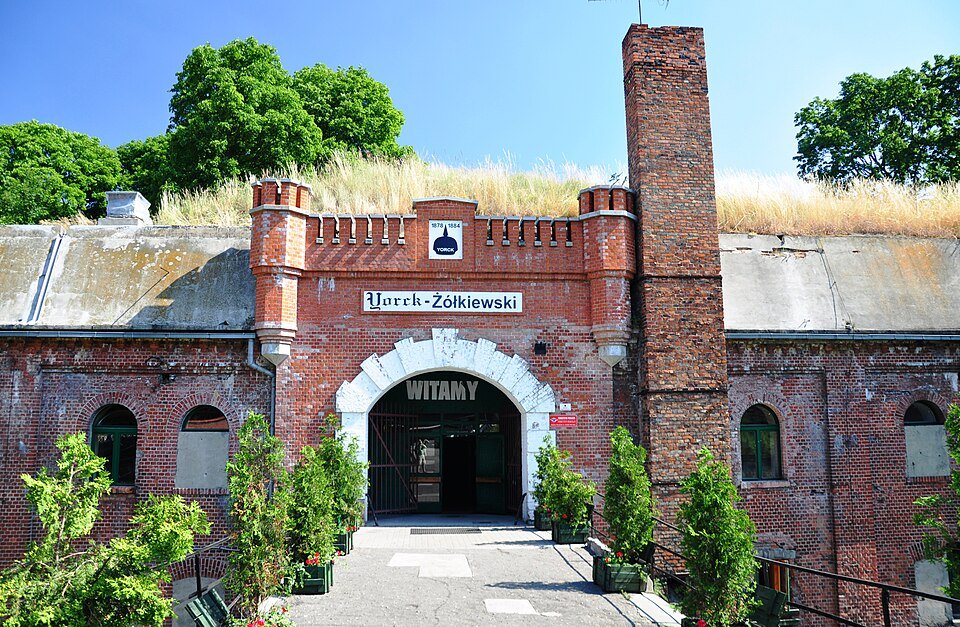
Step outside the medieval story to explore a nineteenth-century fortress. Guided access provides context for the passages and defensive structures.
Fort IV forms part of the outer defensive ring built in the nineteenth century. Its entrance, barracks, passages, magazines and earthworks explain a military system very different from medieval city walls. The fort’s defensive design depended on the relationship between enclosed masonry spaces and the surrounding ground, not on one freestanding tower or gate.
Plan your visit Arrange the visit and transport separately from your Old Town walk.
Check the official attraction links for dates, tour languages and entry arrangements. Book the visits that matter most first, then fit transport and hotel plans around them. Confirm accessibility directly with the venue.
Book a gingerbread session suited to your language and children’s ages. A short old-town walk is different from a tower climb or fort visit. Check steps and the specific accessible museum route before combining several interiors.
Workshop sessions can fill independently of ordinary museum admission. Check the fort’s visiting arrangements and guide availability separately from the old-town museums. An evening stay gives room for a quieter riverfront chapter.
Morning: walk the Old Town, town hall area and medieval streets.
Afternoon: join a reserved gingerbread workshop or visit the House of Copernicus.
Evening: follow the riverfront, or seek a skyline view from the opposite bank where practical.
A suggested outline, adjust it to opening days, bookings and your pace.
Enjoy the place, not just the sights
Pause. Taste. Stay a little.
Gingerbread is part of the visit, not merely a souvenir. Compare traditional shapes and spice blends, and ask which workshop products are decorative rather than intended for eating.
How long to stay
Allow two nights for the Old Town, a workshop and a museum. The historic centre is compact, with hotels near the river and medieval streets.
A meal belongs in the plan
Eat & drink.
4 Pory Roku at Hotel 1231
A restaurant in the Hotel 1231 setting. Contact the dining team separately from the hotel reception when arranging your table.
Suggestions are based on location and the hotels’ published information, not personal inspections. Confirm room types, accessibility, parking and current rates directly. Need help with a group hotel request?
Fewer than 15 rooms? Contact the hotel directly. 15 rooms or more?Ask ATA for low group rates → We use existing agreements where available and negotiate when needed.
Getting here & around
Arrive with a plan.
Toruń Główny is across the Vistula from the Old Town. Check the bus or other onward connection instead of assuming the station is beside your hotel. Confirm the meeting point and return journey for Fort IV, outside the central walking area.