Cádiz Cathedral viewed from the southeast
American Tour Association · Spain

Cádiz

Enlarge photo
Cádiz Cathedral viewed from the southeast. Photo: Benjamin Smith. 2024 · Wikimedia Commons · CC BY-SA 4.0. Converted to sRGB/JPEG; display crop.

Cádiz is best understood from its edges: harbour, Atlantic shore and defensive walls surround a tightly built old town. Within it, a cathedral, merchants’ watchtowers and Roman remains reveal different chapters in the life of a city shaped by maritime trade.

Understand the place

Cádiz: history & setting

Ancient settlement, Roman urban life and later Atlantic commerce all left traces in Cádiz. Its dense historic quarters occupy a peninsula, where defence and access to the sea were inseparable concerns. The city’s eighteenth-century trading importance survives in merchants’ houses and rooftop watchtowers, while the cathedral presents another expression of that period’s ambition. Along the shore, La Caleta and its neighbouring fortifications show the relationship between town and ocean. The Roman theatre preserves a much earlier layer beneath today’s streets.

Look a little closer

Places to discover in Cádiz

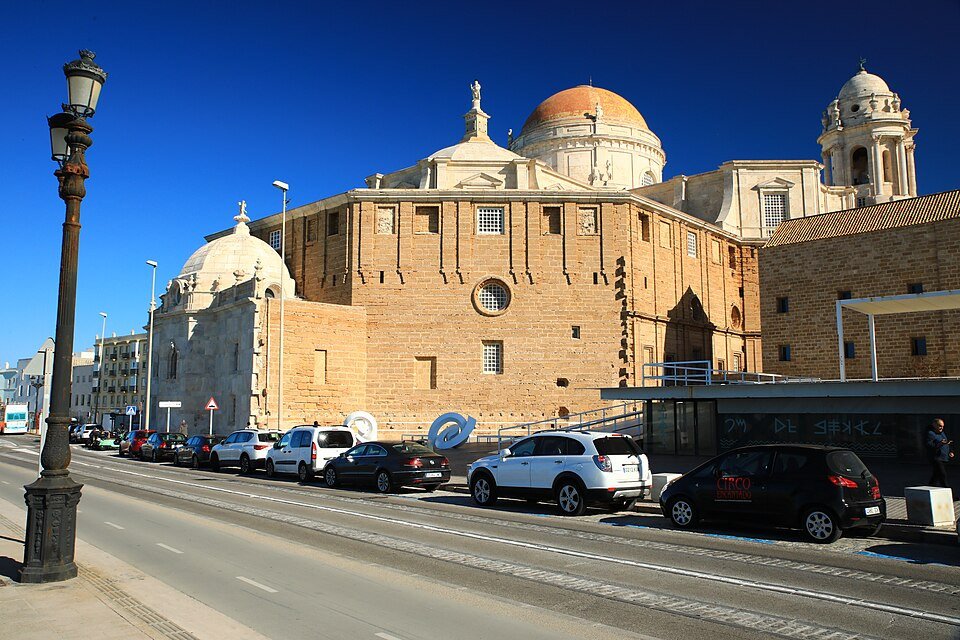
Cádiz Cathedral viewed from the southeastEnlarge photo
Cádiz Cathedral viewed from the southeast. Photo: Benjamin Smith. 2024 · Wikimedia Commons · CC BY-SA 4.0. Converted to sRGB/JPEG; display crop.

Cádiz Cathedral

The cathedral’s pale stone façades, tall towers and yellow-tiled dome form one of the old town’s most recognisable compositions. Its architecture brings together Baroque and neoclassical elements rather than belonging to one brief building campaign. Facing the Atlantic side of the city, it is especially revealing as part of the wider urban skyline. The surrounding lanes connect this monumental setting with the older El Pópulo quarter.

Official history & visitor information ↗
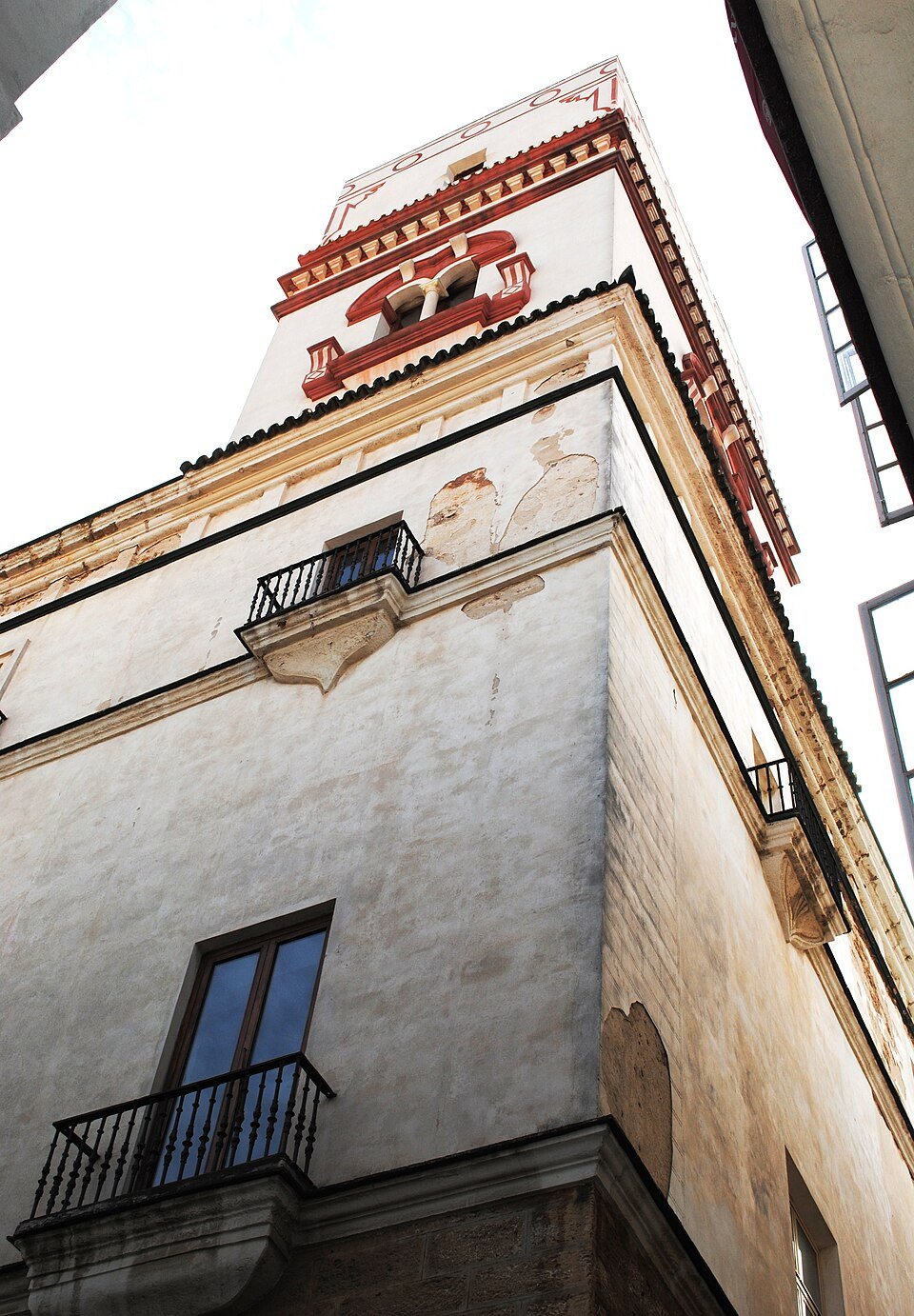
Torre Tavira above the surrounding streets, CádizEnlarge photo
Torre Tavira above the surrounding streets, Cádiz. Photo: HombreDHojalata from Spain. 2010 · Wikimedia Commons · CC BY-SA 2.0. Converted to sRGB/JPEG; display crop.

Torre Tavira

This watchtower rises above the Palace of the Marqueses de Recaño, an eighteenth-century house organised around a central courtyard. It became the official port watchtower in 1778 and takes its name from watchman Antonio Tavira. Today its camera obscura uses lenses and a mirror to project moving views of the city onto a concave screen, linking a modern visitor experience with the building’s original role of observation.

Official history & visitor information ↗
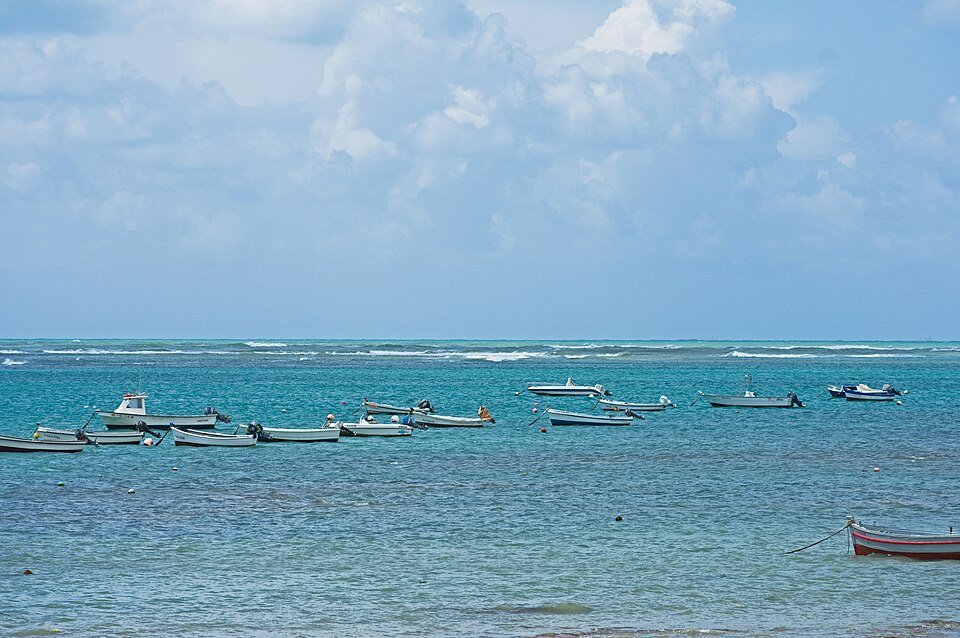
Fishing boats at La Caleta, CádizEnlarge photo
Fishing boats at La Caleta, Cádiz. Photo: Ymblanter. 2022 · Wikimedia Commons · CC BY-SA 4.0. Converted to sRGB/JPEG; display crop.

La Caleta

La Caleta is the old town’s small Atlantic beach, framed by the fortifications of Santa Catalina and San Sebastián. Fishing boats and the changing relationship between sand, water and the built shoreline give it a different character from the broad beaches of modern Cádiz. It is a coastal landscape within the historic city, rather than an isolated resort beach.

Official history & visitor information ↗
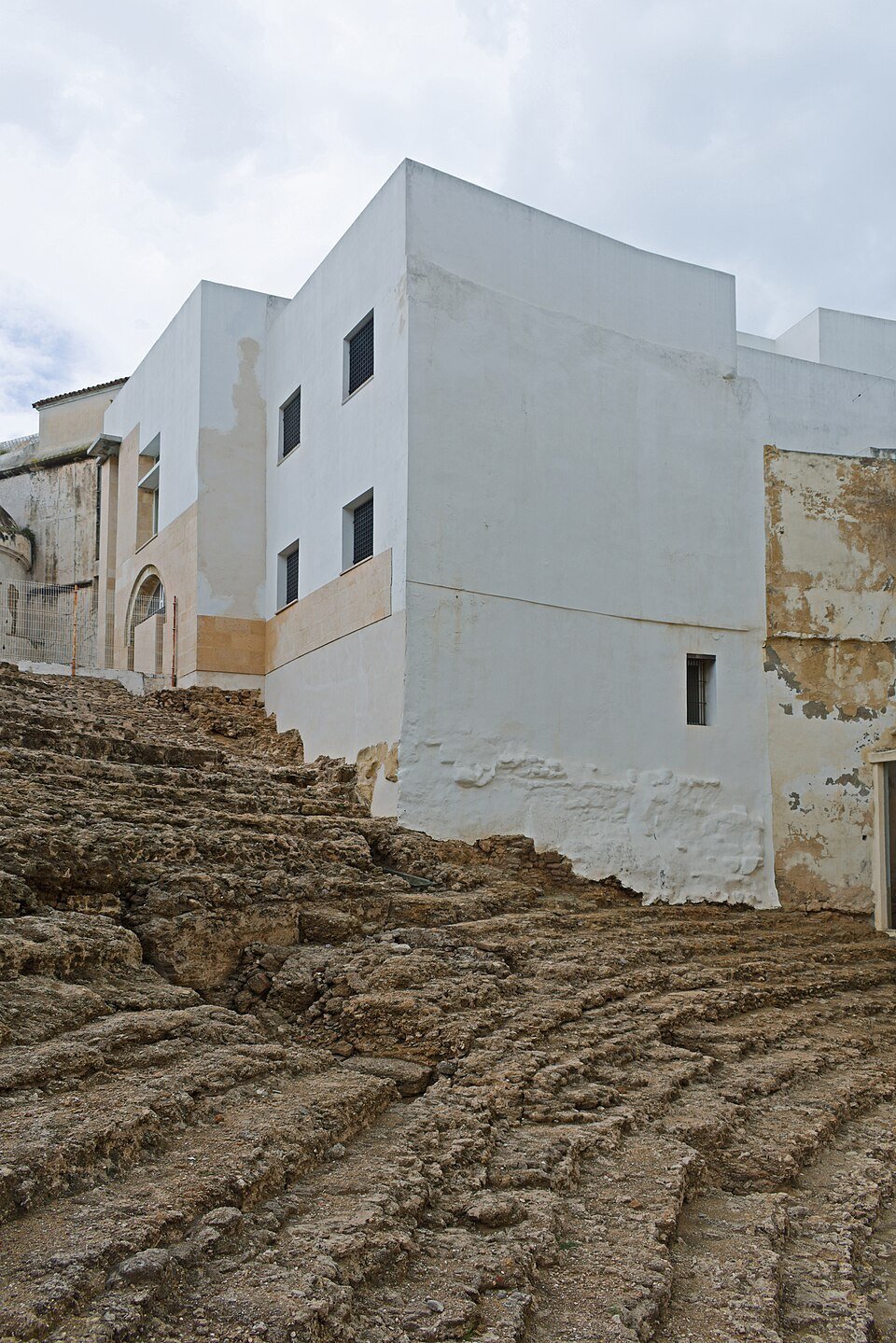
Roman theatre remains beside later houses, CádizEnlarge photo
Roman theatre remains beside later houses, Cádiz. Photo: Ymblanter. 2022 · Wikimedia Commons · CC BY-SA 4.0. Converted to sRGB/JPEG; display crop.

Roman Theatre

The Roman theatre survives within the historic El Pópulo district, close to later religious buildings and narrow streets. Its stone seating makes the ancient city’s public life visible beneath a much more recent urban fabric. The contrast between archaeological remains and surrounding houses is part of the interest: this is not a detached reconstruction, but a surviving fragment of Roman Cádiz integrated into the present-day town.

Official history & visitor information ↗
More about Cádiz & original local links

Cadiz: Where Sun, Sea, and Spanish Soul Embrace

Cádiz, the city of a hundred towers, is a time capsule of civilizations that rose and fell, leaving an indelible imprint on its narrow, winding streets, its sun-kissed plazas, and its soaring towers.

The city is a palimpsest where Phoenicians, Romans, and Moors each inscribed their stories, layer upon fascinating layer. [keep reading] [video]

Explore another city in Spain →