A western gateway to Tecoaque and the forest region
Calpulalpan offers a useful western starting point for Tlaxcala. Combine a town walk with the archaeological story at Zultépec–Tecoaque, then decide whether the Nanacamilpa forests fit your season and interests. The town, archaeological entrance and forest centers require separate journeys. Other cards are ideas for extending the trip across the state.
Nine ideas in Calpulalpan and the surrounding region. Each card names its location; combine nearby stops and allow a separate journey for outlying sights.
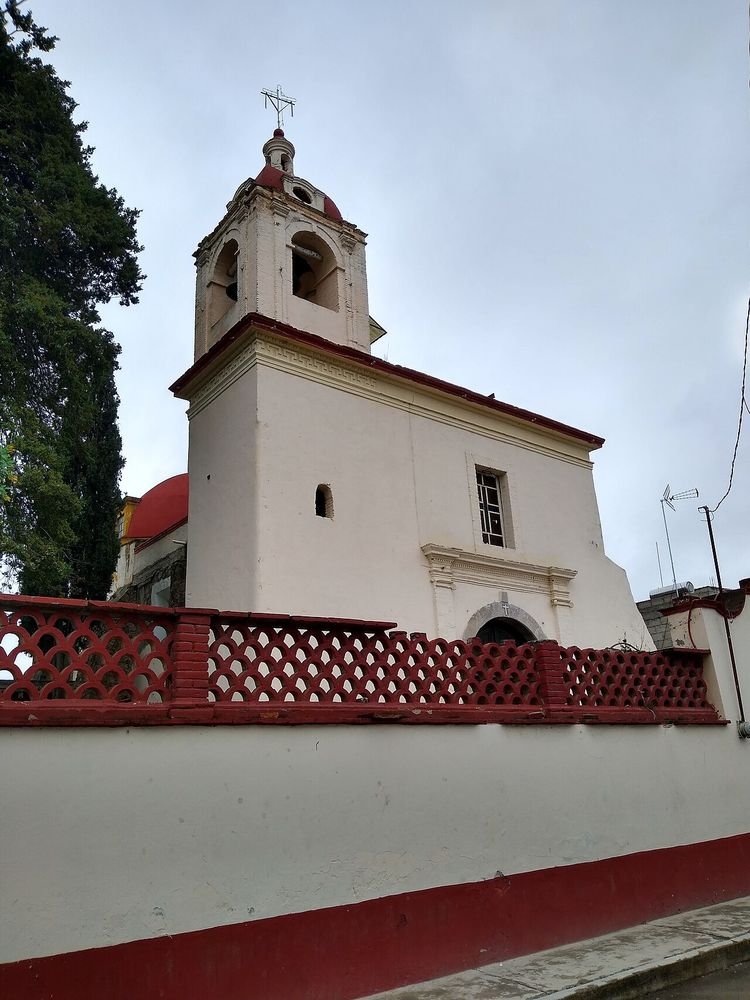
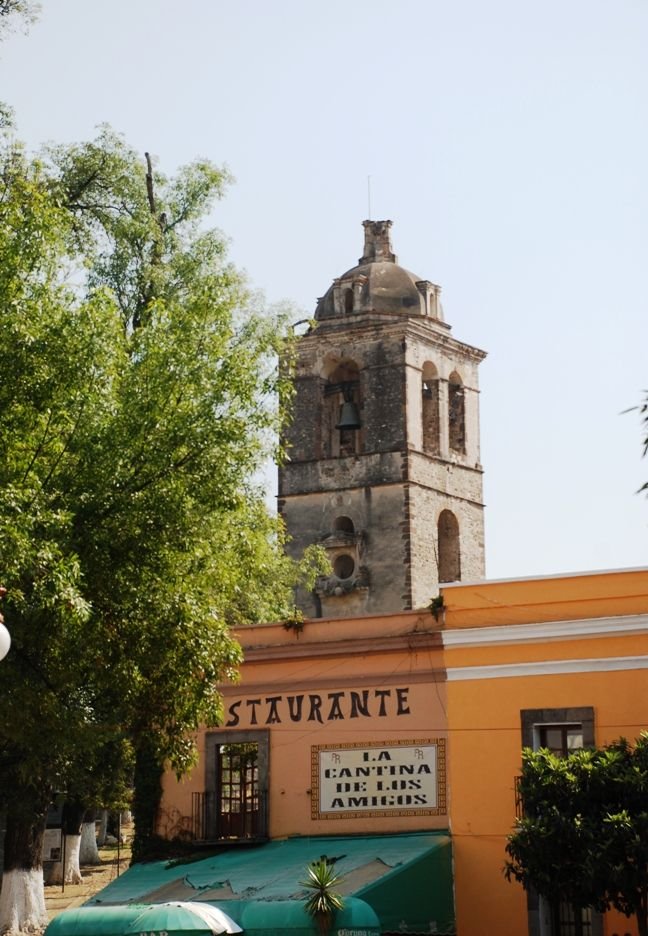
Use Calpulalpan as more than a road stop: take a town walk, see El Calvario when access permits and pause for a meal. The town and nearby Tecoaque are separate visits. Confirm the exact church location locally before setting out; the map indicates the town area.
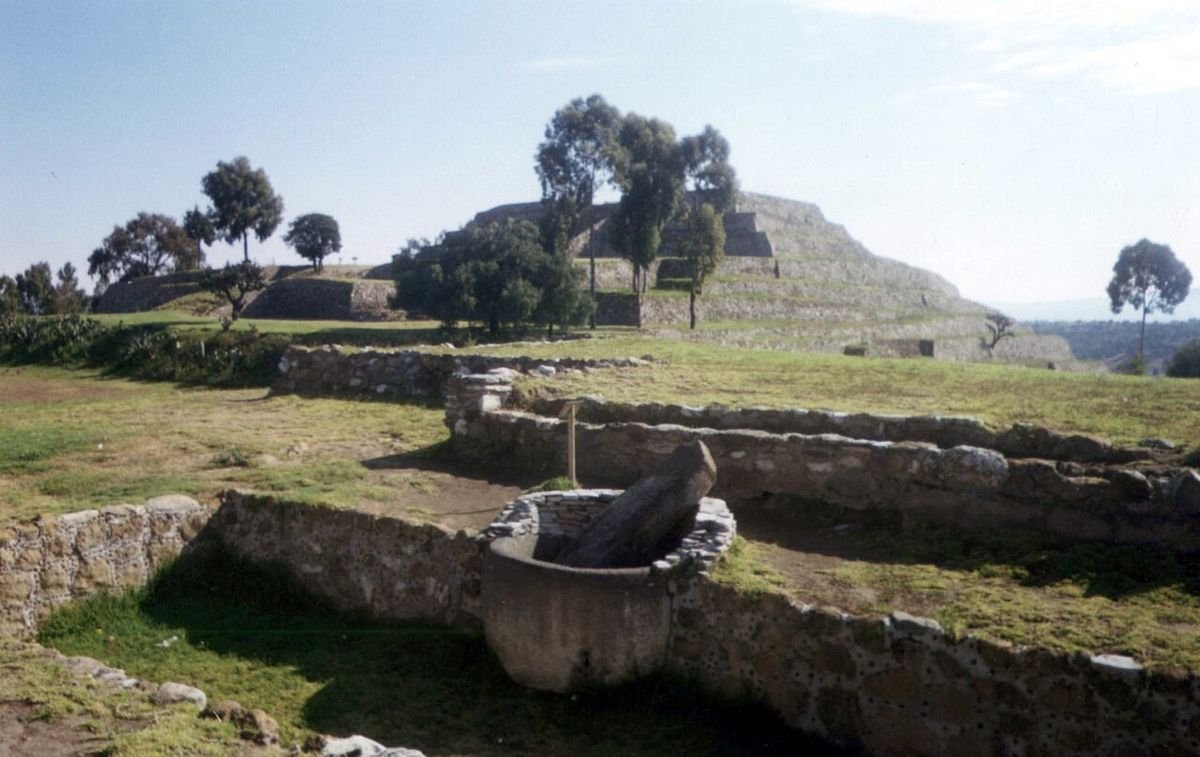
The remains of this settlement add depth to a western Tlaxcala itinerary. Its position between the Acolhua region and Tlaxcala helps explain its importance. Allow time for the site and interpretation, with sun protection and a confirmed return journey from the rural entrance.
The forest is a destination in its own right; firefly viewing is a seasonal evening activity, not a year-round attraction. Reserve with an authorized local site and confirm annual dates, meeting point and weather arrangements. Follow the guide’s rules on lights, flash and quiet movement.
Maguey plants are part of the northern Tlaxcala landscape and its pulque heritage. Arrange a producer or hacienda visit through a local operator instead of entering private fields. The photograph shows the Tlaxco countryside; an actual visit requires a confirmed address, host and return transport.
San Agustín anchors a walk through Tlaxco’s historic center. Pause to look at the stonework and interior when worship permits, then continue into the adjoining streets. The town sits high in the northern countryside; a warm layer is useful when an afternoon visit runs into evening.
Begin in the arcaded central square, with time for a coffee and a look at the surrounding civic buildings. This is the natural meeting point for a walking circuit to the government palace and the cathedral precinct. Return later for a different view of the façades.
Walk up from the center to the cathedral and former convent of San Francisco. The precinct offers a quieter setting and a useful introduction to the city’s early colonial architecture. Church worship and museum access are separate matters; check which spaces are open before planning the visit.
Cacaxtla’s surviving murals deserve slow looking. Begin with the site’s interpretation, then study the painted figures and colors from the designated viewing areas. Pair it with Xochitécatl only if you allow time for both sites and the transfer between their entrances.
This hilltop ceremonial complex provides a different experience from Cacaxtla’s covered murals. Allow time for the open archaeological landscape and views, with protection from sun and wind. Confirm the current visitor route; do not assume an unrestricted walking connection between the two sites.
Begin with Tecoaque while you have time for the site and interpretation, then return for a town meal and a short walk. Keep a forest visit on a separate booking and timetable. If continuing east, use Tlaxcala city as the next overnight base rather than racing across several towns.
Food & local life
Make a local lunch part of the town visit. Ask about the day’s cooking and seasonal ingredients. If continuing to a forest center, confirm meal provision ahead; a rural arrival late in the day may offer fewer choices than the town center.
Getting here & getting around
Check the final approach to Tecoaque and arrange your return before entering the site. Calpulalpan and Nanacamilpa are distinct stops. Regional hotels on the lodging page are identified by their actual locality so you can compare the journey with your planned activities.
Ask venues about steps, uneven surfaces and assistance if access matters for your party. See our Mexico travel-planning guide for the wider journey.
Where to stay
Compare nine hotels and regional bases on our separate lodging page, with photos, location notes and direct property links.
Original ATA visitor notes and suggested itineraries, informed by Tlaxcala tourism and the individual venues. Official references are provided for opening arrangements; photographs are credited alongside each image.