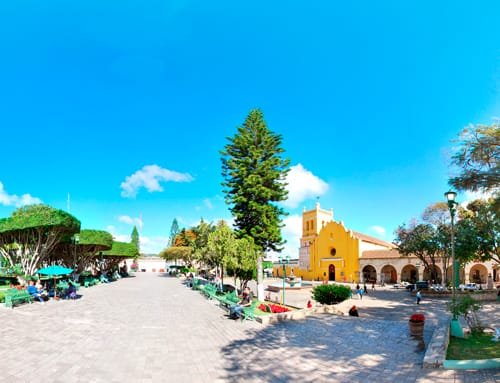
Highland streets, textile collections and thoughtful community visits
San Cristóbal works best at walking pace: choose a few museums, follow the streets between plazas and allow time for meals and craft conversations. Chamula and Zinacantán are separate communities with their own rules; arrange those visits with local guidance rather than treating daily life as a show.
Photo: Chiapas Tourism. Destination photograph; resized and cropped for the card.
What to see & do
Nine ideas for your visit, with the location shown on every card. Any other-town suggestions are separate itinerary stops, not part of the local walking circuit.
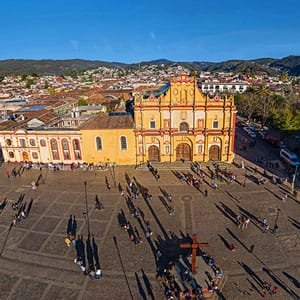
The cathedral and central plaza form the natural starting point for a walking visit. The surrounding arcades and pedestrian streets provide an easy introduction to the old city.
The ornate church facade and surrounding craft activity make this a rewarding stop north of the main square. Look closely at the carved surface before browsing textiles.
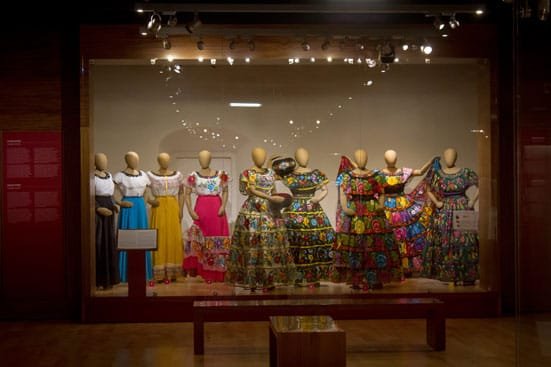
Textiles offer a detailed introduction to the skills, identities and communities of the Maya highlands. The museum is a useful starting point before shopping or visiting weaving households.
Na Bolom brings together the history of exploration, photography and cultural work associated with its founders. Its collections offer context for thinking critically about the region’s changing relationship with visitors.
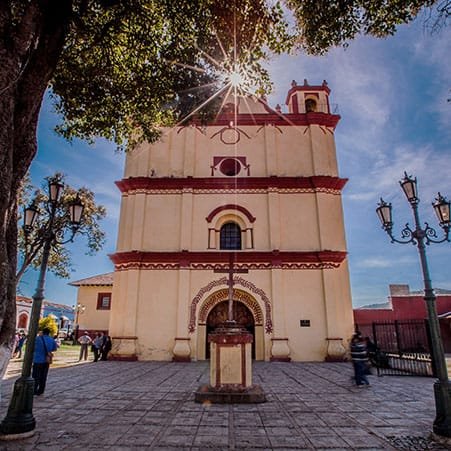
The Carmen complex marks a distinctive point in the historic streetscape. Its architecture rewards a short stop on a walk south from the central square.
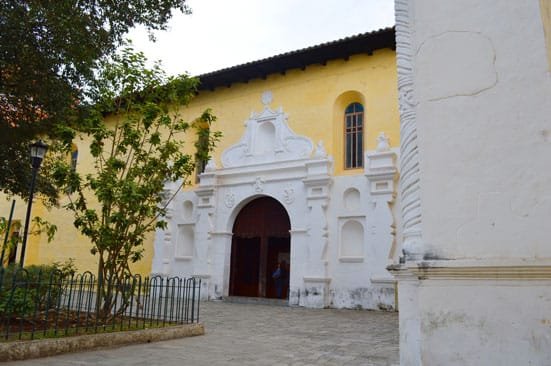
This church adds another architectural chapter to a city walk. Compare its facade with Santo Domingo instead of viewing the churches as interchangeable stops.
Tile roofs, courtyards and pedestrian streets make the old city rewarding at walking pace. The experience is as much about individual blocks and small businesses as major monuments.
Chamula is a living Tsotsil community, not a staged visitor attraction. Its central church and plaza require respect for community rules and religious activity.
Zinacantán is known for its textile traditions and flower-growing landscape. A household visit is most valuable when the hosts can explain their work and set the terms of the visit.
Photo: Chiapas Tourism. Destination photograph; resized and cropped for the card.
Make time for the visit
Allow at least two full days. Start with the cathedral area and Santo Domingo, adding the textile museum if open. Use another morning for Na Bolom and a different neighborhood. Keep community visits on a separate half-day with an agreed return, leaving room for weather and local access decisions. For another indoor stop, see our Amber Museum guide.
Food & local life
Coffee, cacao drinks, bakeries and regional restaurants make frequent short breaks easy. Compare textile work by community, material and technique. Ask permission before photographing makers or shoppers, and pay fairly for demonstrations arranged specifically for your group.
Getting here & getting around
The usual airport approach is from Tuxtla, followed by a road transfer into the highlands. In the center, walking is often the simplest choice; uneven paving and hills can matter. Book community excursions with a locally informed operator and confirm the actual stops.
Ask venues about steps, uneven surfaces and assistance if access matters for your party. See our Mexico travel-planning guide for the wider journey.
Where to stay
Compare nine accommodation choices on our separate lodging page, with photos, location notes and direct property links.
Photo: Chiapas Tourism. Destination photograph; resized and cropped for the card.
Guide research & photo credits
Original ATA visitor notes and suggested itineraries, informed by Chiapas tourism and the individual venues. Official references are provided for opening arrangements; photographs are credited alongside each image.