Convent architecture, pottery and the streets of a Pueblo Mágico
Tlayacapan suits a slower visit centered on its former convent, cultural spaces and pottery shops. The town is best appreciated on foot with time to look closely, talk to makers and stop for a meal. Its Chinelo traditions are tied to community celebrations; do not expect a festival performance on an ordinary day. Regional excursions below are labeled separately.
Nine ideas in Tlayacapan and the surrounding region. Each card names its location; combine nearby stops and allow a separate journey for outlying sights.
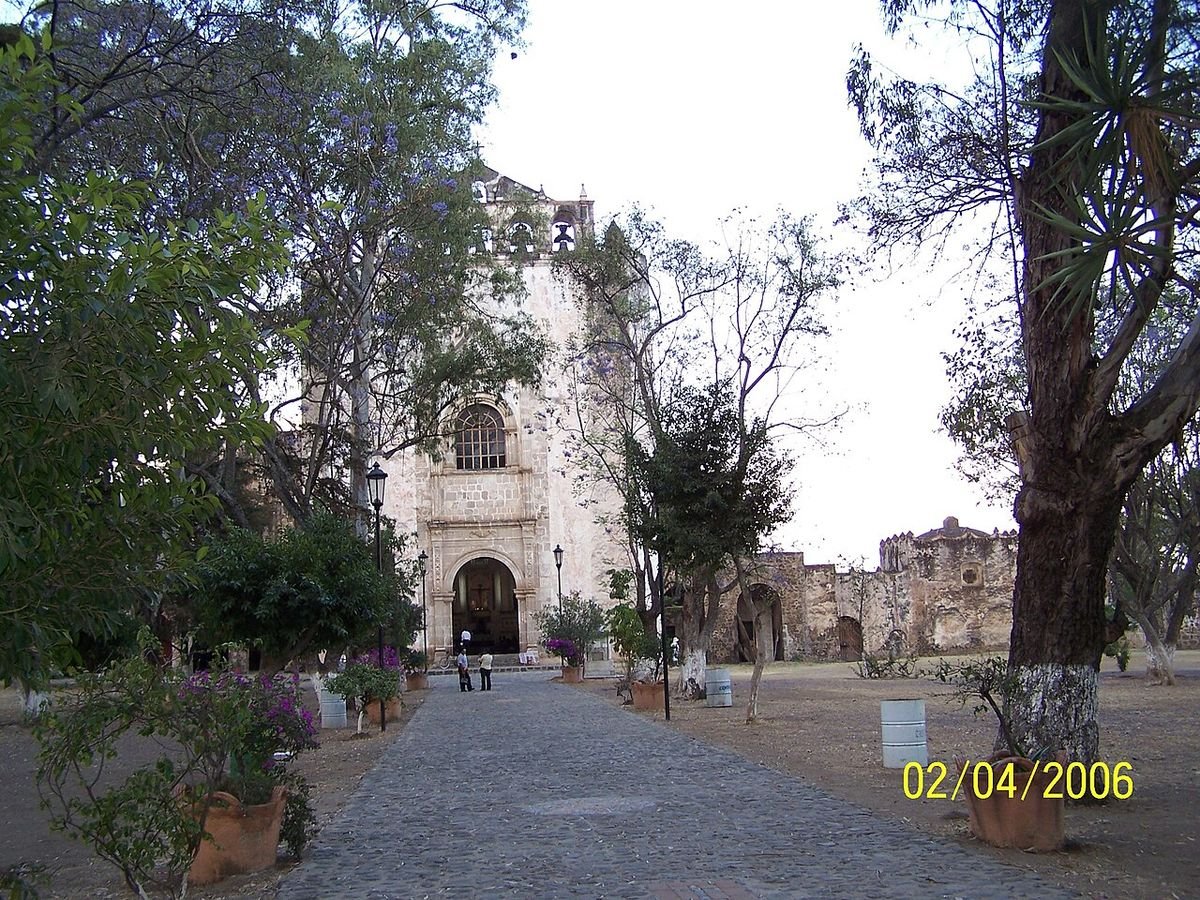
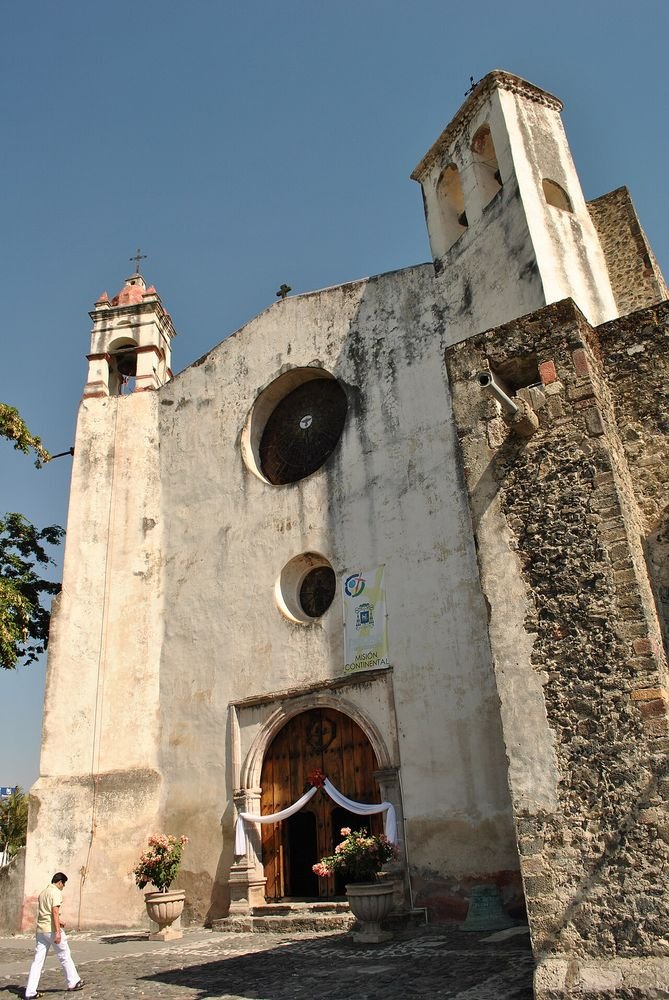
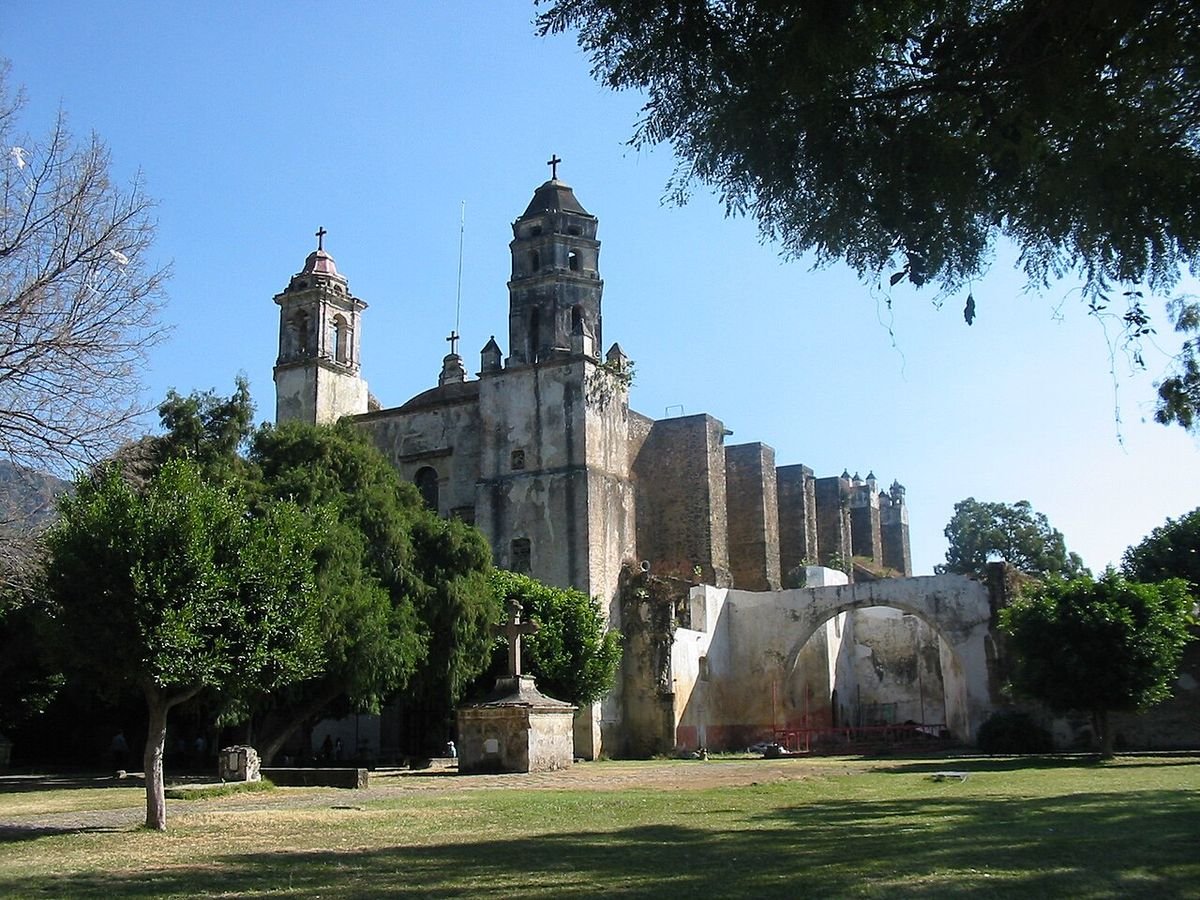
The large former convent anchors the town and its historic streets. Study the exterior and atrium before entering the areas open to visitors. Conservation work can limit interior access; do not build the entire outing around a particular room being open.
This historic building offers another way to connect the town’s streets with its cultural life. Check the current exhibitions or activities, then continue through the center on foot. Combine the stop with the convent and pottery shops for a varied half-day.
Browse the town’s clay cooking vessels and decorative pottery, asking which pieces are suitable for food use. Workshop demonstrations need a prior arrangement; an open shop does not guarantee that production is underway. Allow space and protective packing for purchases.
Make room for the historic center of Oaxtepec as well as its holiday resorts. The former convent belongs to the region’s early monastery landscape. Interior access depends on conservation and religious use; start with the exterior and continue through the town streets.
The surviving palace platform offers a quieter archaeological visit within the modern town. Read the interpretation to understand the residential and political setting rather than expecting a large pyramid complex. Check INAH’s opening arrangements and bring protection from the sun.
Explore the architectural setting of the former Dominican convent, then make time for the town streets around it. Museum rooms and church access can follow different arrangements. Start here for cultural context before deciding whether a mountain outing suits the rest of the day.
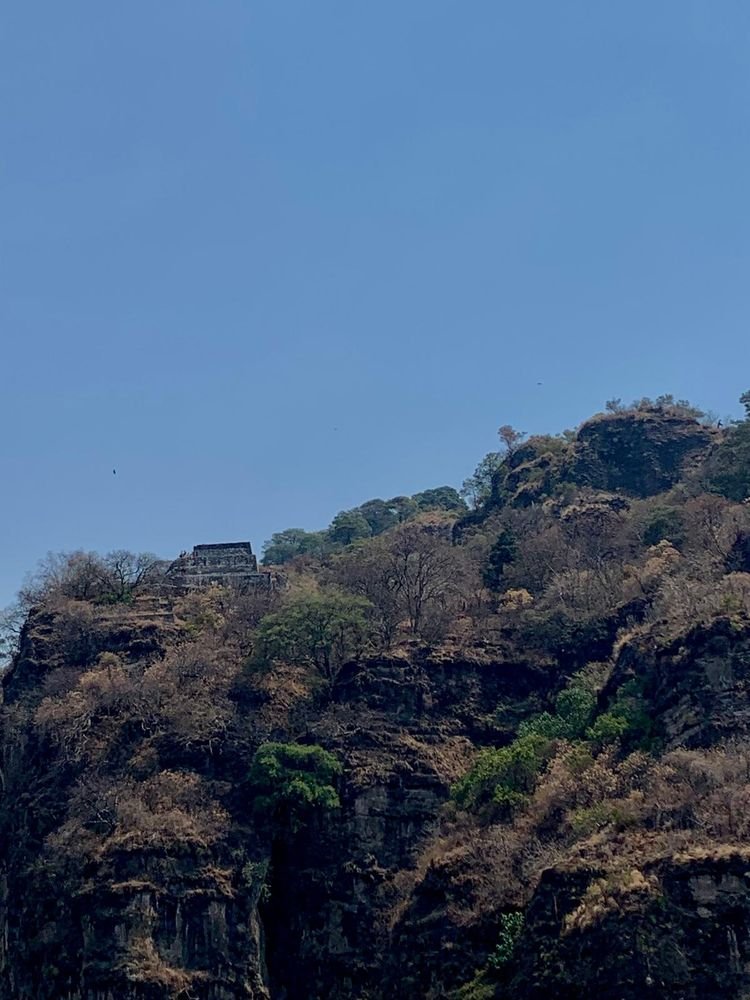
The hilltop sanctuary is a strenuous outing, with a steep approach and uneven steps. Check current trail and archaeological-site access before leaving town, carry water and allow time for the descent. Enjoying Tepoztlán does not require making this climb.
The commanding church and former convent reward a slow look at the portal, stonework and atrium. Check which interiors are open and visit around services. Combine architecture with lunch in town rather than planning only a brief arrival-and-departure photo stop.
The museum connects the siege of Cuautla with José María Morelos and the region’s later revolutionary history. Use it to give meaning to the monuments outside. Check the current opening schedule directly; published institutional listings do not always agree.
Allow a full day or an overnight nearby. Start with the convent and La Cerería, pause for lunch, then browse pottery shops. Arrange a workshop visit ahead if that interests you. Add Oaxtepec or Tepoztlán on a different morning, not at the expense of the town itself.
Food & local life
Look for a simple town lunch and seasonal market cooking. If buying clay cookware, ask about its intended use and food suitability. Festival days can change traffic, restaurant hours and the quiet atmosphere of the center.
Getting here & getting around
Arrive via the Oaxtepec area or the regional road network, checking the final bus connection in advance. A hotel marketed for the region may actually be in Oaxtepec or Tepoztlán. Confirm your return pickup and the distance from the town center before booking.
Ask venues about steps, uneven surfaces and assistance if access matters for your party. See our Mexico travel-planning guide for the wider journey.
Where to stay
Compare nine hotels and regional bases on our separate lodging page, with photos, location notes and direct property links.
Original ATA visitor notes and suggested itineraries, informed by Morelos tourism and the individual venues. Official references are provided for opening arrangements; photographs are credited alongside each image.