Tlaltizapán brings together revolutionary history in its center and water-based recreation elsewhere in the municipality. Plan the town’s museum and religious precinct as one visit, and Las Estacas as a separate substantial outing. A park or resort stay is not the same as staying within walking distance of the town square.
Nine ideas in Tlaltizapán and the surrounding region. Each card names its location; combine nearby stops and allow a separate journey for outlying sights.
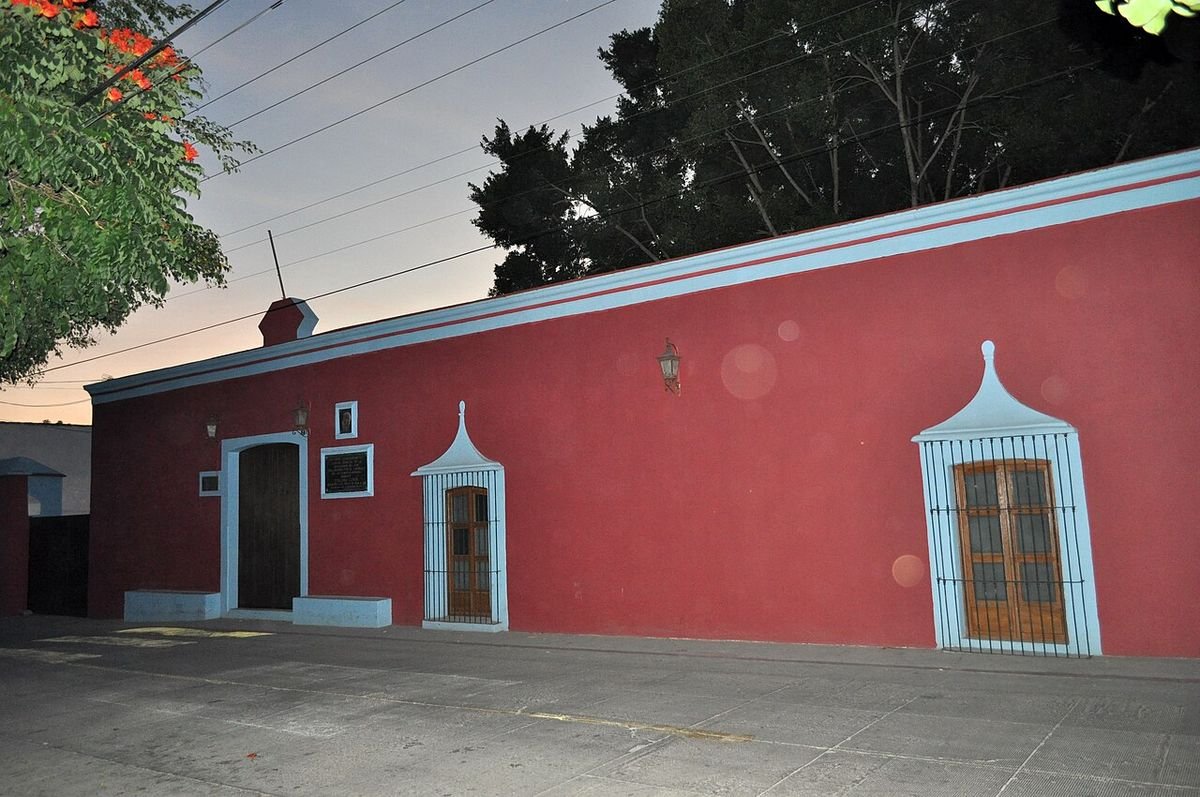
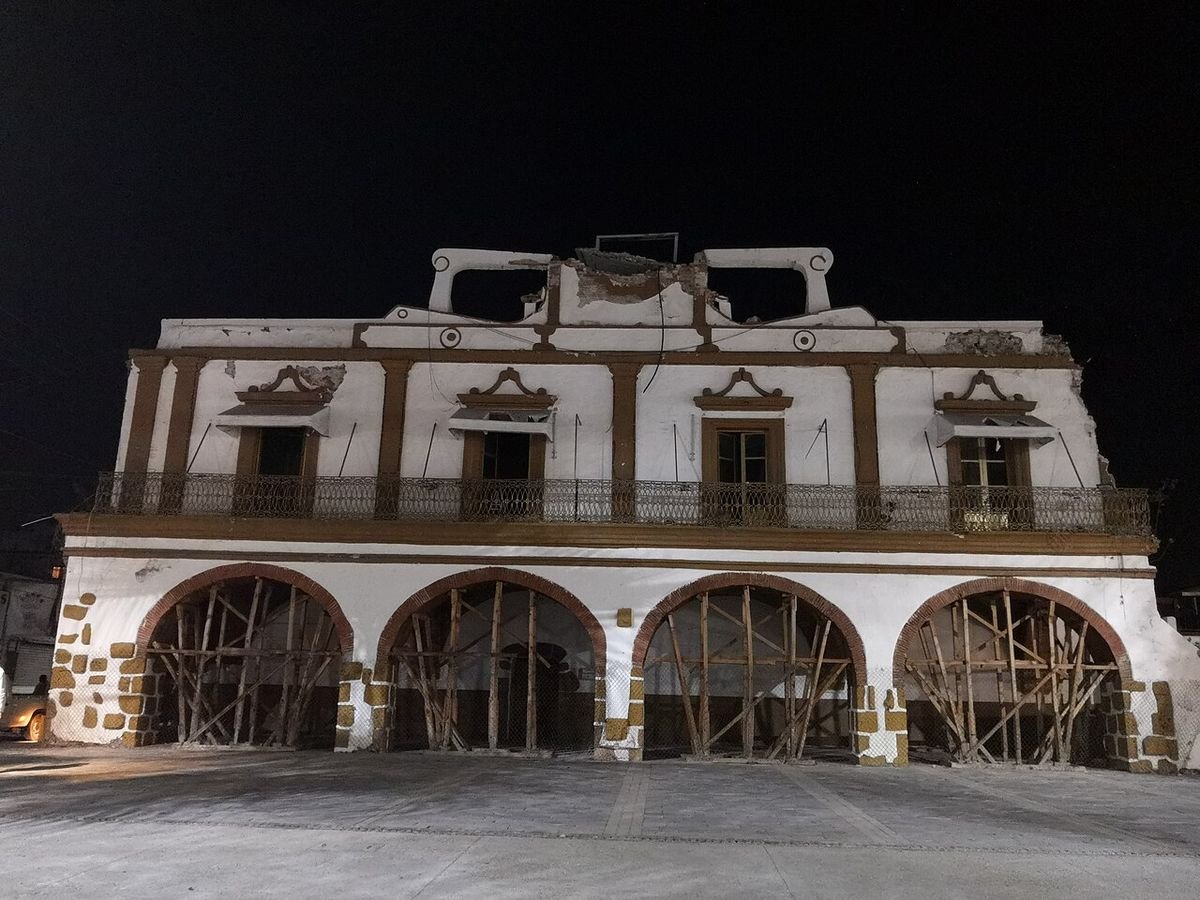
Explore the church precinct and its connection with the town’s revolutionary memory. Look for the Zapata mausoleum in the atrium, while respecting worship and access restrictions. Pair the visit with the former headquarters museum rather than treating the monuments as isolated photo stops.
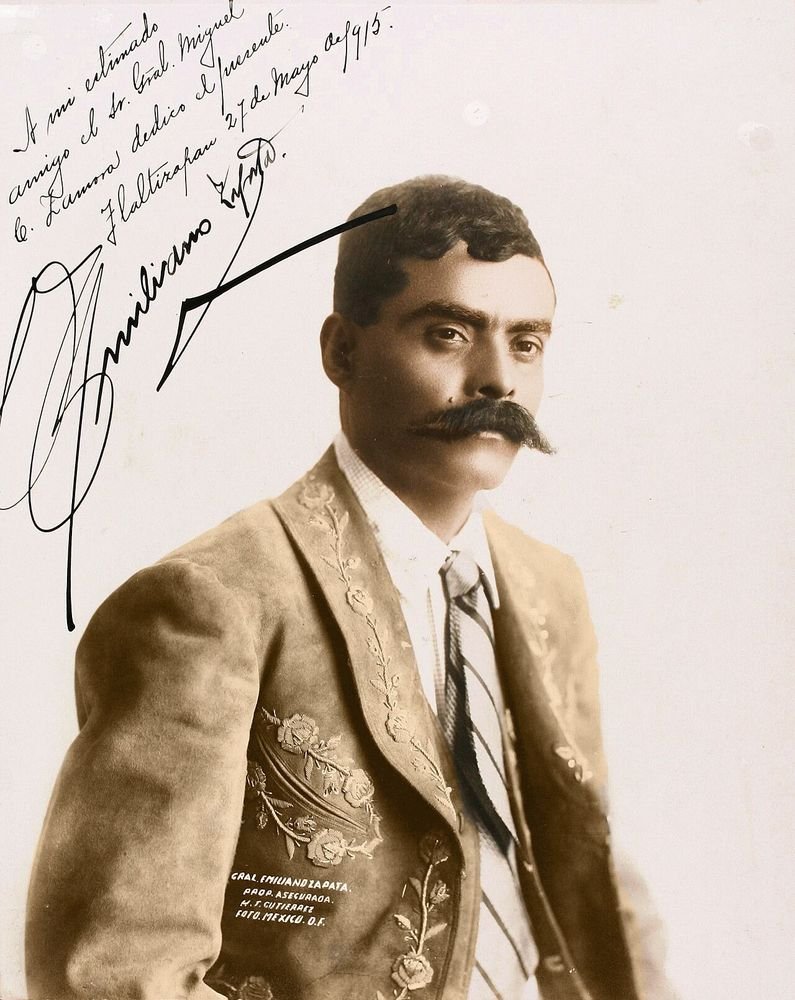
The Museo de la Revolución del Sur provides context for Emiliano Zapata and the local revolutionary movement. Check opening arrangements before making a special trip. Read the displays alongside a walk through the center to connect the historical story to the town.
A spring-fed river and green grounds make this a full-day water outing rather than a quick roadside stop. Book the appropriate admission or overnight option, and check swimming rules and equipment requirements. River activities and spa treatments are separate choices, not automatically included.
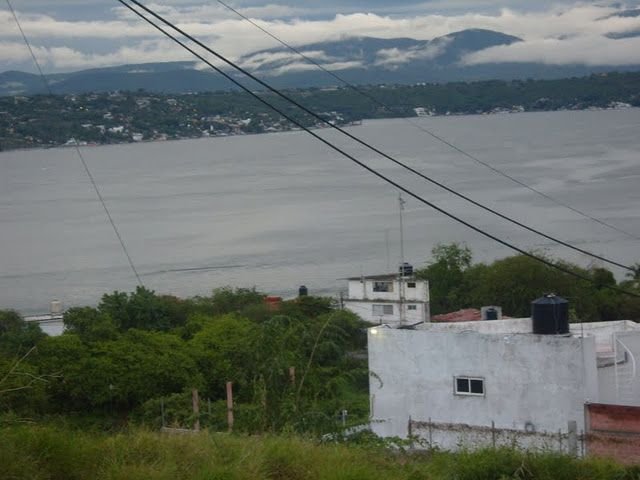
Choose a lakeside venue with clear access arrangements, then decide whether you want a quiet meal or an organized water activity. Much of the shore is accessed through businesses or properties. Agree the activity, equipment, duration and return point before paying.
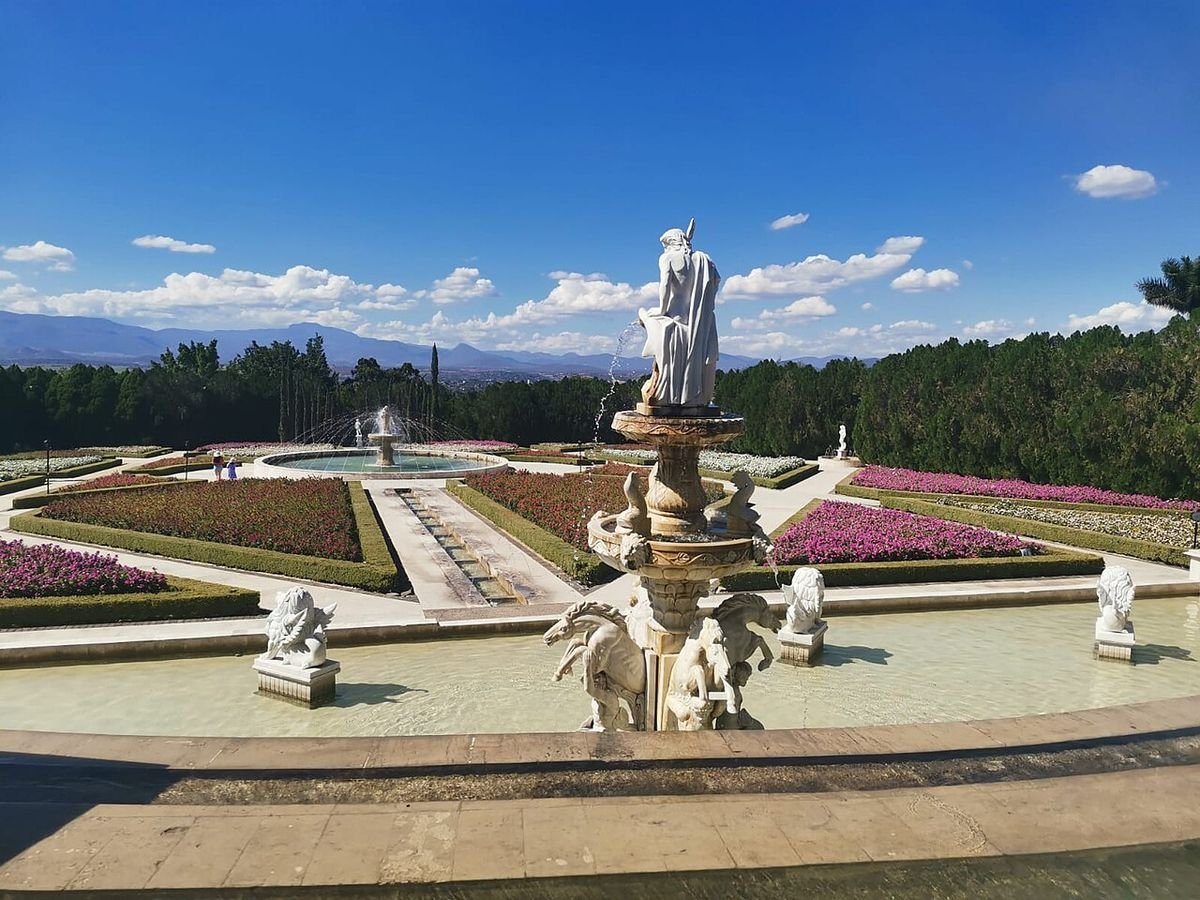
Plan a separate visit to these extensive themed gardens, with comfortable shoes and time in the shade. Check the garden and event calendar: concert access and regular garden admission may differ. A garden visit is distinct from a boat outing on the lake.
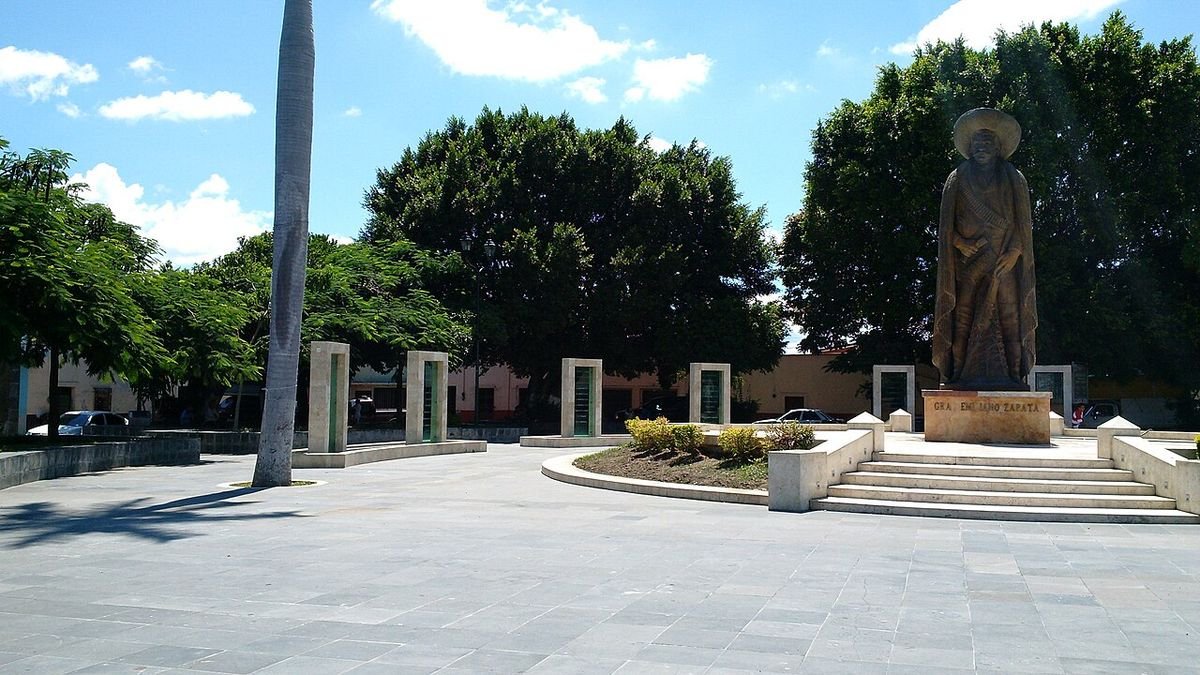
Take a town-based break from the lake, exploring the center and choosing a local meal. This is a working regional town rather than another resort complex. Ask locally about current cultural activities and keep your return transport arranged before the evening.
Begin around the parish church and central streets to understand the town beyond its surrounding resorts. Visit outside worship times and keep the walk unhurried. A local meal and a short town circuit work well before returning to a hotel in the wider municipality.
The aqueduct and village streets are reminders of the region’s hacienda landscape. View the structures from public areas; hacienda grounds may be private event venues rather than walk-in museums. Plan this as a separate village visit from Xochitepec’s central square.
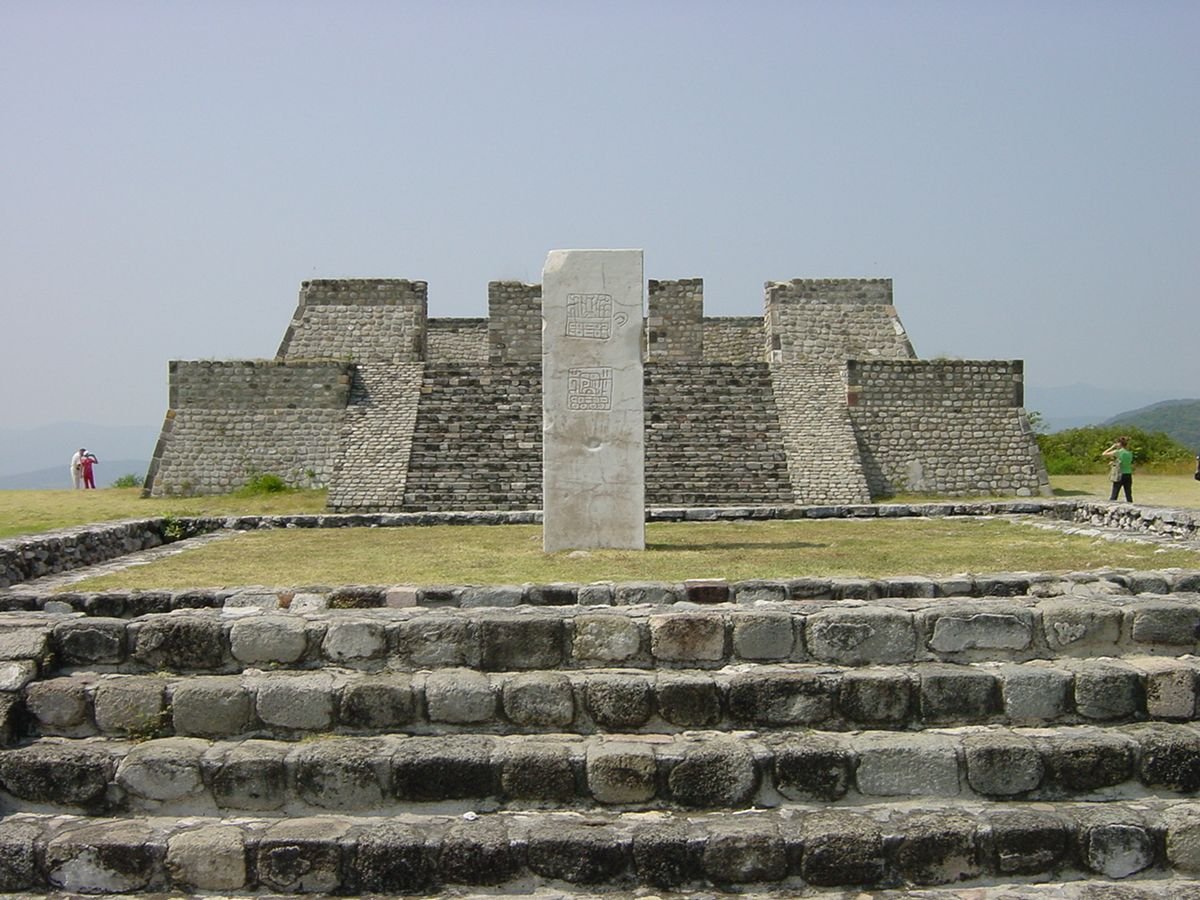
Reserve a substantial part of the day for this hilltop archaeological landscape and its site museum. The carved Feathered Serpent temple is a highlight, but the terraces and views also reward attention. Bring water, use the permitted routes and check access to specialized areas.
Spend half a day on the former headquarters museum and the San Miguel precinct, checking access first. Give Las Estacas another day for the river and grounds. If extending the trip, continue toward Tequesquitengo or Jojutla rather than trying to add several distant convent towns in one afternoon.
Food & local life
Choose a local lunch around the town visit. At a park or resort, check food policies before bringing a picnic and compare meal arrangements with the room rate. Reserve time for a relaxed evening after swimming rather than a late cross-state transfer.
Getting here & getting around
Arrange a driver or a confirmed regional connection for the final approach to your accommodation. Las Estacas lies outside the town center. Keep the return trip settled before entering the park, particularly if you do not have your own vehicle.
Ask venues about steps, uneven surfaces and assistance if access matters for your party. See our Mexico travel-planning guide for the wider journey.
Where to stay
Compare nine hotels and regional bases on our separate lodging page, with photos, location notes and direct property links.
Original ATA visitor notes and suggested itineraries, informed by Morelos tourism and the individual venues. Official references are provided for opening arrangements; photographs are credited alongside each image.