Independence history, railway heritage and eastern Morelos outings
Cuautla is a working city with a strong place in Mexico’s independence and revolutionary history. Give its museum and central monuments time before heading into the surrounding region. A practical base depends on your purpose: walking through the center and visiting resort areas outside town are different plans. Check current travel advice and local transport conditions before fixing an itinerary.
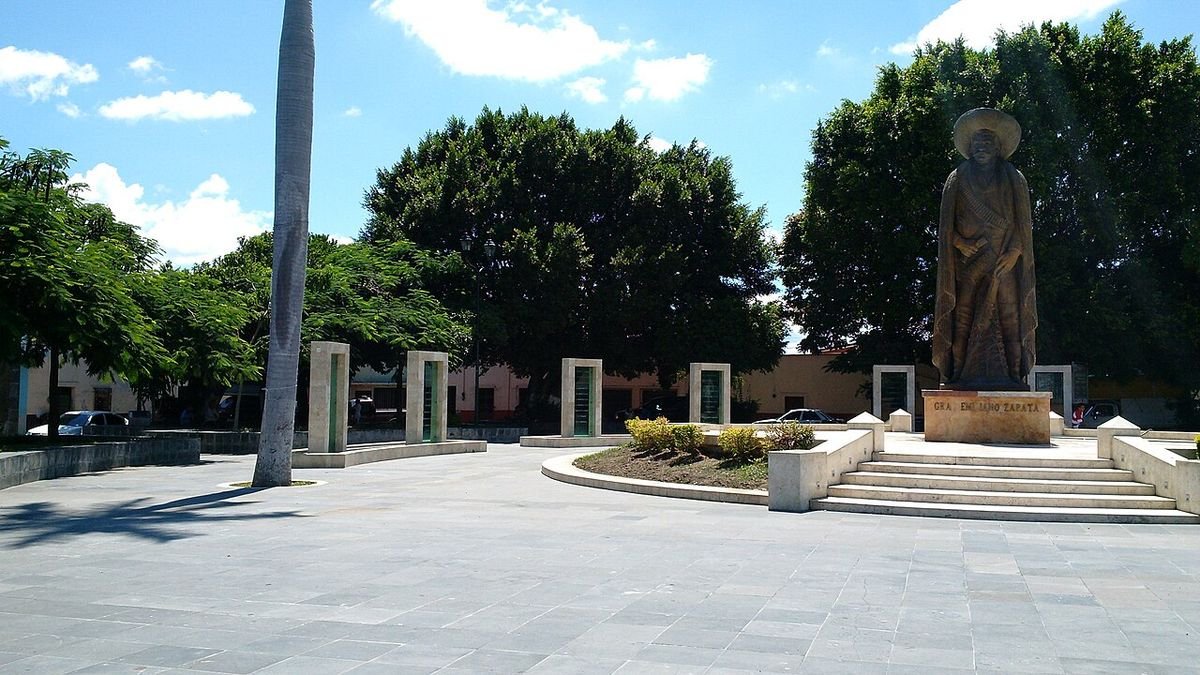
Follow a short central walking circuit rather than trying to cross the entire city. The public squares and commemorative monuments introduce its independence and revolutionary history. Pause for lunch nearby and arrange transport for any separate excursion beyond the center.
The museum connects the siege of Cuautla with José María Morelos and the region’s later revolutionary history. Use it to give meaning to the monuments outside. Check the current opening schedule directly; published institutional listings do not always agree.
Look for the railway heritage around the former station and its locomotive display. The setting links transport history with the city’s development. Confirm access to any exhibition or demonstration locally rather than assuming the train operates daily.
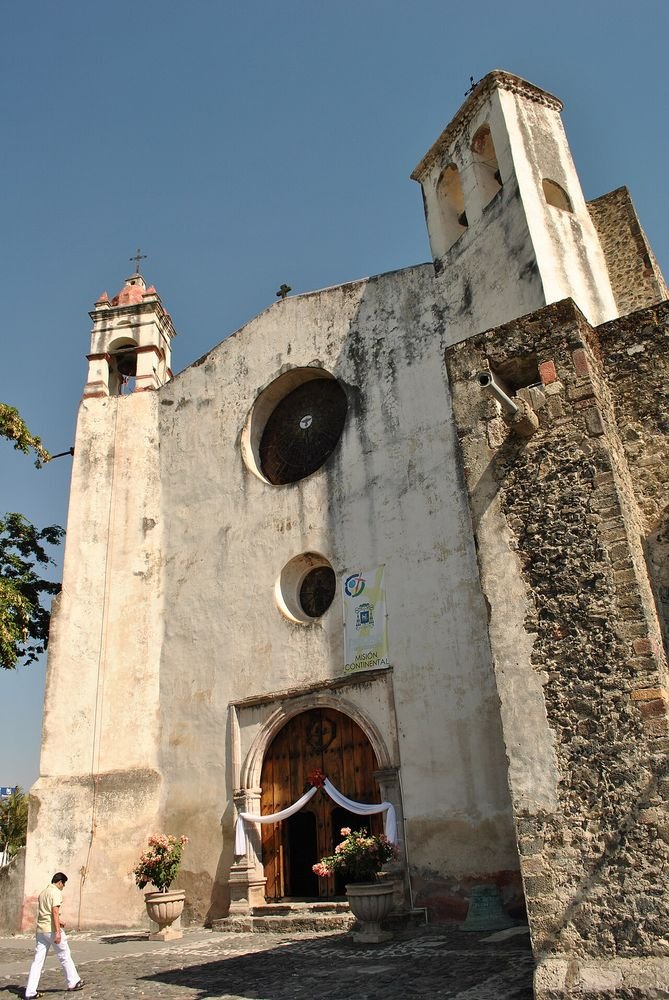
The commanding church and former convent reward a slow look at the portal, stonework and atrium. Check which interiors are open and visit around services. Combine architecture with lunch in town rather than planning only a brief arrival-and-departure photo stop.
The town is associated with cecina, usually served with accompaniments such as tortillas, cheese and salsa. Choose a busy established food business, ask about portions and order enough time for a proper meal. Shop for take-home products only if you can transport them appropriately.
This is a separate eastern Morelos excursion, known for its ancient carved reliefs and dramatic rocky setting. Arrange transport and check the open visitor route before setting out. Uneven ground and exposed sections call for sturdy shoes, water and an unhurried visit.
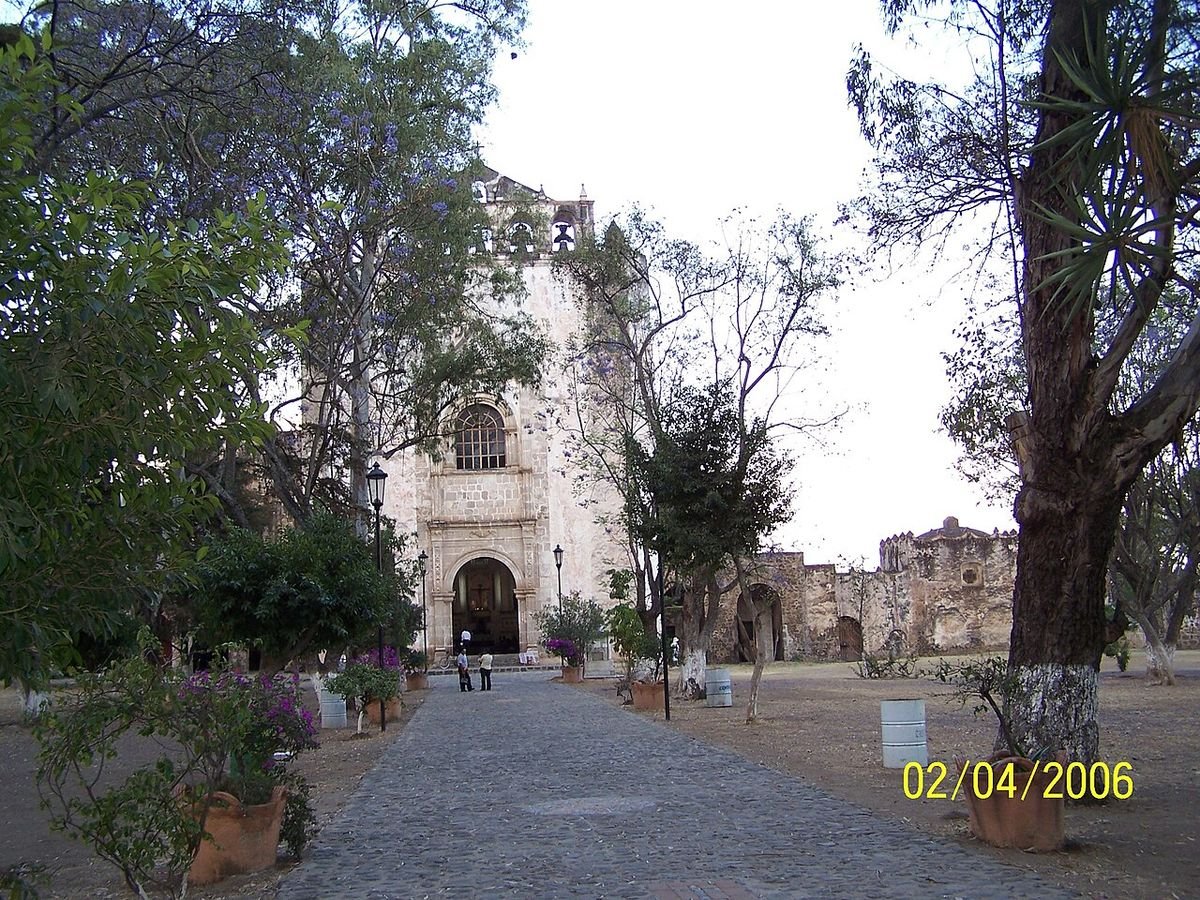
Make room for the historic center of Oaxtepec as well as its holiday resorts. The former convent belongs to the region’s early monastery landscape. Interior access depends on conservation and religious use; start with the exterior and continue through the town streets.
The large former convent anchors the town and its historic streets. Study the exterior and atrium before entering the areas open to visitors. Conservation work can limit interior access; do not build the entire outing around a particular room being open.
The surviving palace platform offers a quieter archaeological visit within the modern town. Read the interpretation to understand the residential and political setting rather than expecting a large pyramid complex. Check INAH’s opening arrangements and bring protection from the sun.
Spend a morning at Casa de Morelos and the central squares, then see the railway setting if access allows. Stay a second night for Yecapixtla and a leisurely cecina lunch. Chalcatzingo is a separate longer outing that needs its own transport and daylight allowance.
Food & local life
Keep lunch close to the historic circuit on your first day. On a Yecapixtla excursion, make the cecina meal part of the plan rather than rushing straight back. Ask about ingredients and portion sizes; regional rice is another useful item to look for.
Getting here & getting around
Check which Cuautla terminal your bus uses and arrange the final transfer. The historic center, suburban hotels and Oaxtepec resorts are not interchangeable locations. Agree a return journey before leaving for rural archaeology or neighboring towns.
Ask venues about steps, uneven surfaces and assistance if access matters for your party. See our Mexico travel-planning guide for the wider journey.
Where to stay
Compare nine hotels and regional bases on our separate lodging page, with photos, location notes and direct property links.
Original ATA visitor notes and suggested itineraries, informed by Morelos tourism and the individual venues. Official references are provided for opening arrangements; photographs are credited alongside each image.