Cacaxtla’s murals, Xochitécatl’s hilltop and village landscapes
Natívitas is the municipality to know for Cacaxtla and Xochitécatl. These two archaeological experiences deserve time and a deliberate transfer plan. Nearby villages offer a quieter contrast, while Val’Quirico is a separate modern dining and shopping destination. Choose accommodation by its actual location, not simply by a broad regional label.
Nine ideas in Natívitas and the surrounding region. Each card names its location; combine nearby stops and allow a separate journey for outlying sights.
Cacaxtla’s surviving murals deserve slow looking. Begin with the site’s interpretation, then study the painted figures and colors from the designated viewing areas. Pair it with Xochitécatl only if you allow time for both sites and the transfer between their entrances.
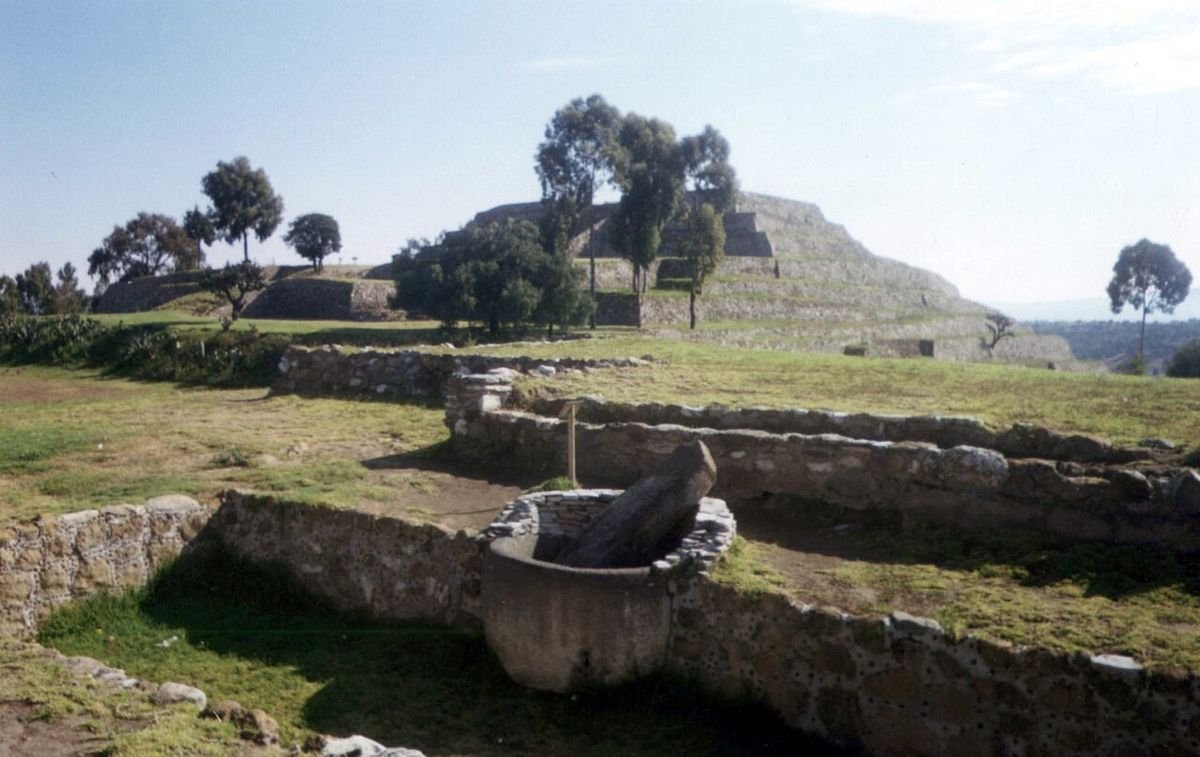
This hilltop ceremonial complex provides a different experience from Cacaxtla’s covered murals. Allow time for the open archaeological landscape and views, with protection from sun and wind. Confirm the current visitor route; do not assume an unrestricted walking connection between the two sites.
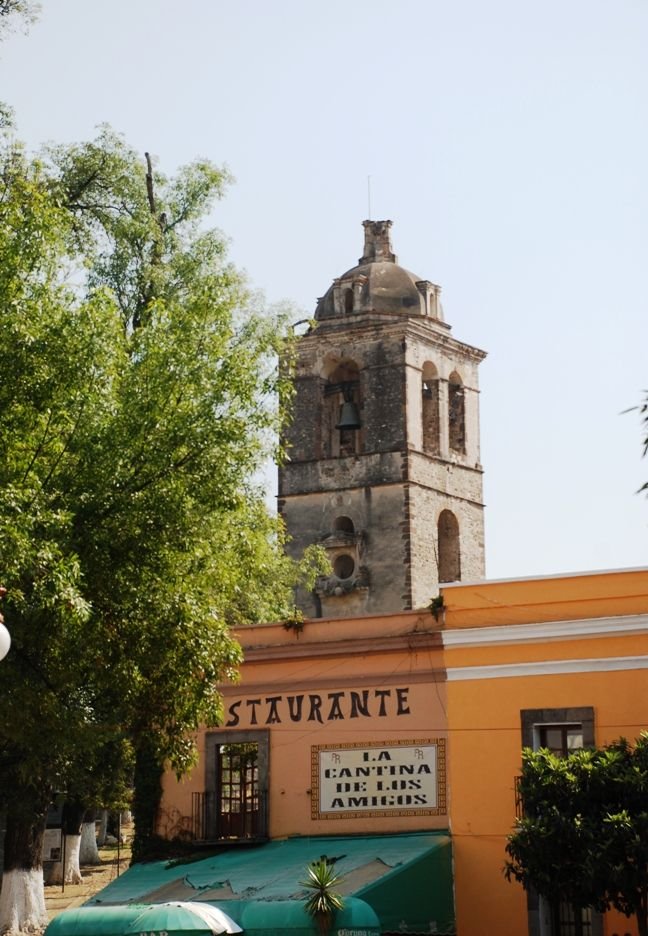
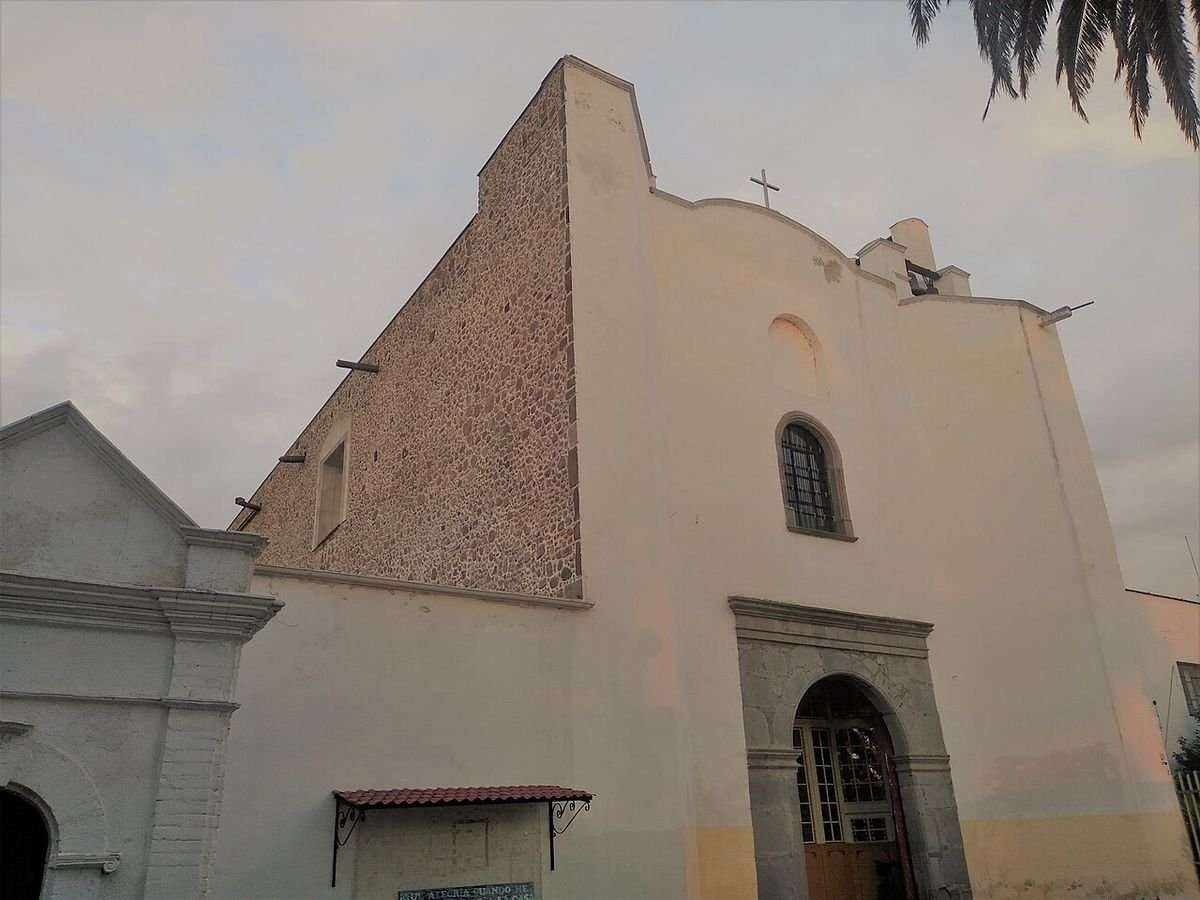
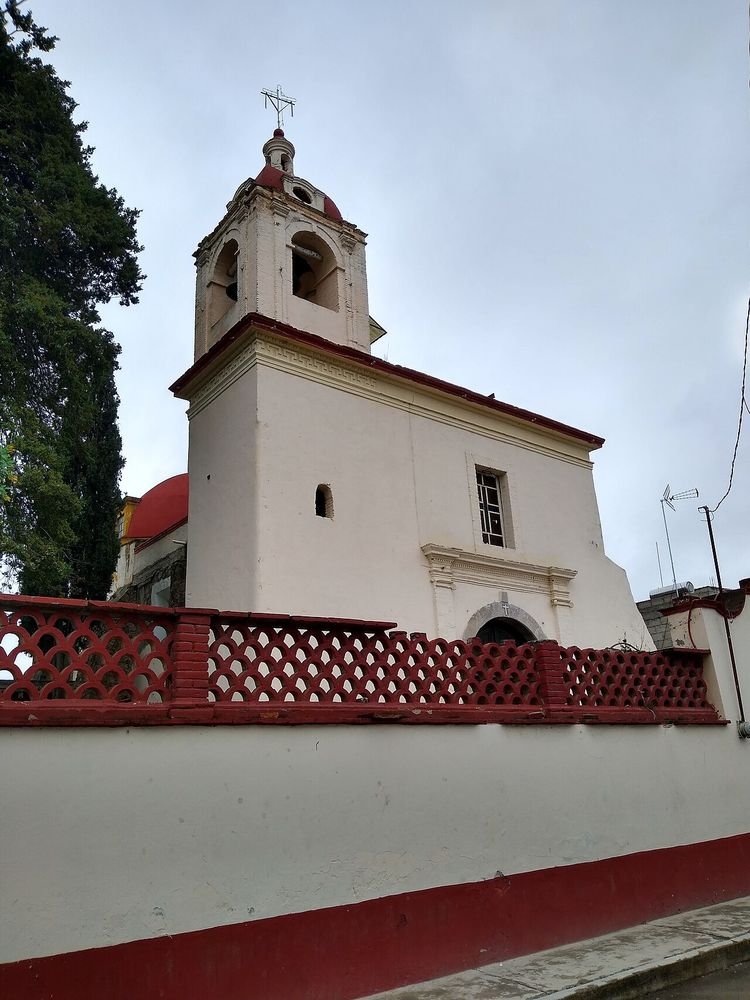
The municipality’s villages reward a slower look between archaeological excursions. The photograph shows the church at Santo Tomás La Concordia. Ask locally about access and combine a short village stop with a meal; these are living communities, not a single enclosed visitor attraction.
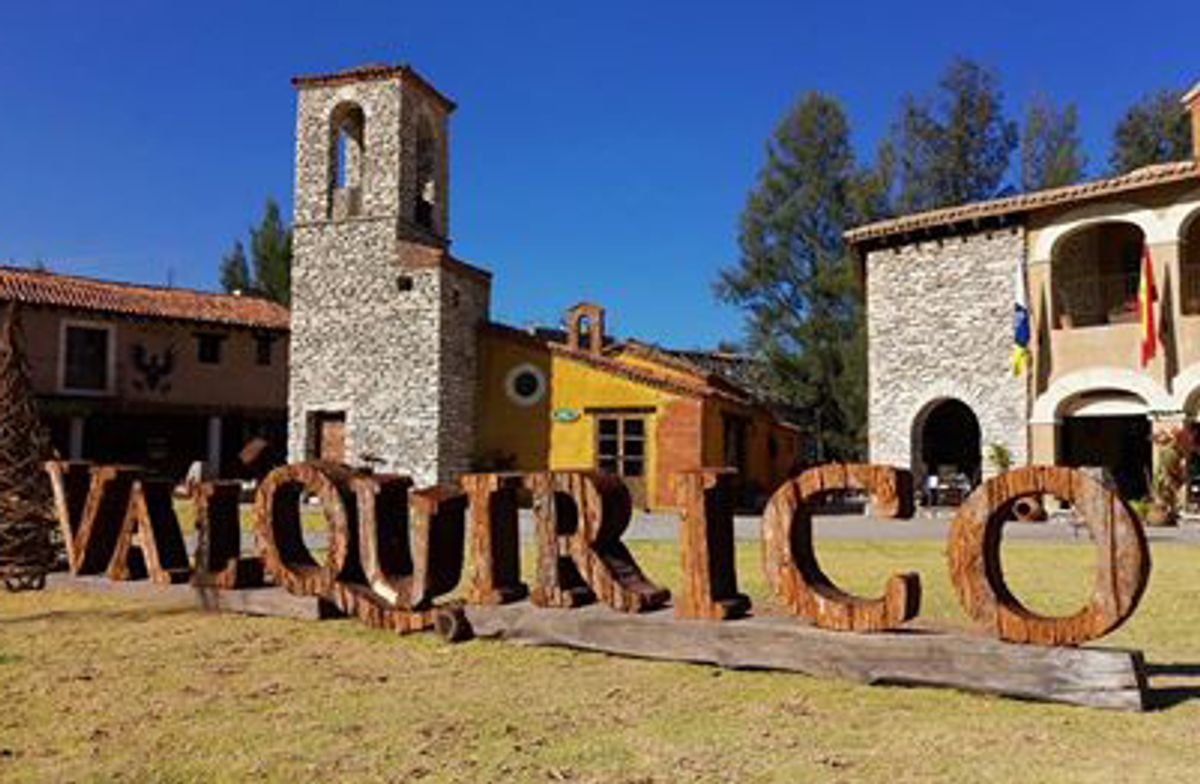
Val’Quirico is a modern development with European-inspired architecture, shops and restaurants. Treat it as a relaxed dining and strolling outing, distinct from Tlaxcala’s ancient sites and colonial towns. Reserve a preferred restaurant and check parking and event arrangements before a busy weekend visit.
Begin in the arcaded central square, with time for a coffee and a look at the surrounding civic buildings. This is the natural meeting point for a walking circuit to the government palace and the cathedral precinct. Return later for a different view of the façades.
The palace facing the square houses Desiderio Hernández Xochitiotzin’s murals telling Tlaxcala’s history. Allow time to study the scenes rather than treating the courtyard as a quick photo stop. It is a working government building: confirm visitor access and any restrictions on the day.
Walk up from the center to the cathedral and former convent of San Francisco. The precinct offers a quieter setting and a useful introduction to the city’s early colonial architecture. Church worship and museum access are separate matters; check which spaces are open before planning the visit.
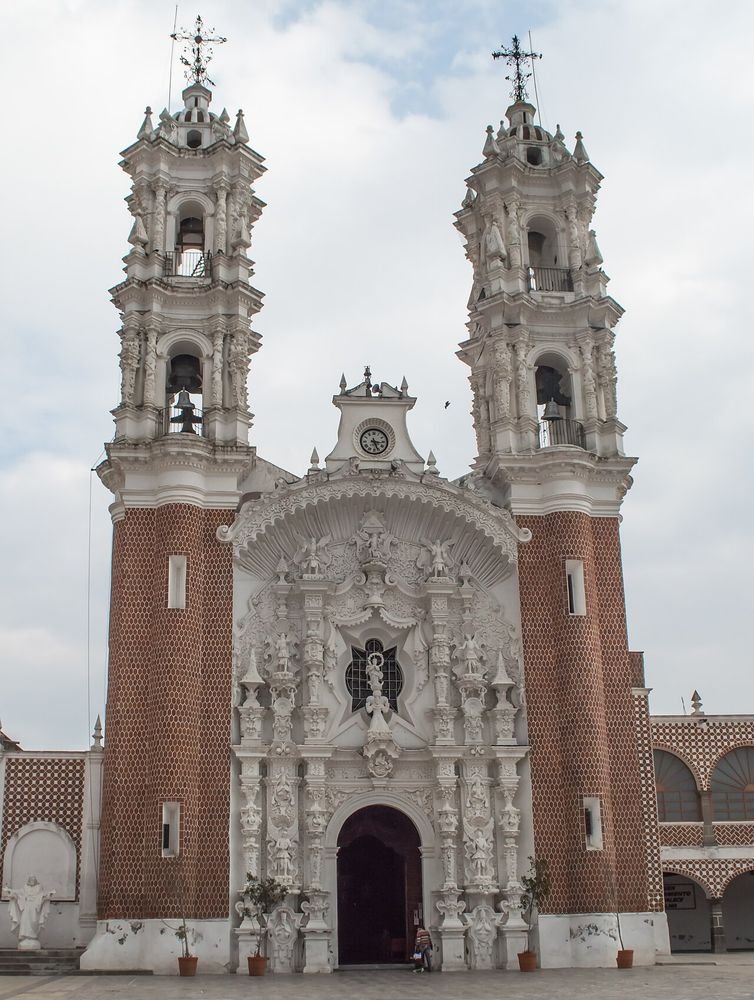
The richly worked façade makes Ocotlán a rewarding architectural stop outside the central square circuit. Allow a separate uphill walk or taxi journey. Visit respectfully around services, and give yourself time to see the building from the forecourt before entering.
The former Franciscan convent adds an architectural stop to a town best known for textiles. Combine the religious precinct with a walk through the center, allowing for worship and local access arrangements. Textile shopping takes place across several streets and nearby communities, not solely beside the convent.
Give Cacaxtla and Xochitécatl most of a day, with a meal break and confirmed transport between entrances. Add a short village stop only if access and time allow. On another day, choose Val’Quirico for dining or the capital for museums and the cathedral.
Food & local life
Plan lunch around your archaeological route rather than assuming food is available inside each site. A village meal and a reserved Val’Quirico restaurant are different experiences. Bring water for the exposed portions of the archaeological visit and follow site food rules.
Getting here & getting around
Confirm the visitor entrance for each archaeological zone; the map shows their general locations. Do not rely on a walking shortcut between sites. Val’Quirico hotels are in Tetlatlahuca and capital hotels are farther away, so compare transfer arrangements before reserving.
Ask venues about steps, uneven surfaces and assistance if access matters for your party. See our Mexico travel-planning guide for the wider journey.
Where to stay
Compare nine hotels and regional bases on our separate lodging page, with photos, location notes and direct property links.
Original ATA visitor notes and suggested itineraries, informed by Tlaxcala tourism and the individual venues. Official references are provided for opening arrangements; photographs are credited alongside each image.