
People, places and living traditions
Mexican culture: a visitor’s introduction
Mexico’s cultural life changes from region to region, community to community and person to person. Start with the place you are visiting: its language, food, music, workshops and everyday public spaces can tell you far more than a national stereotype.
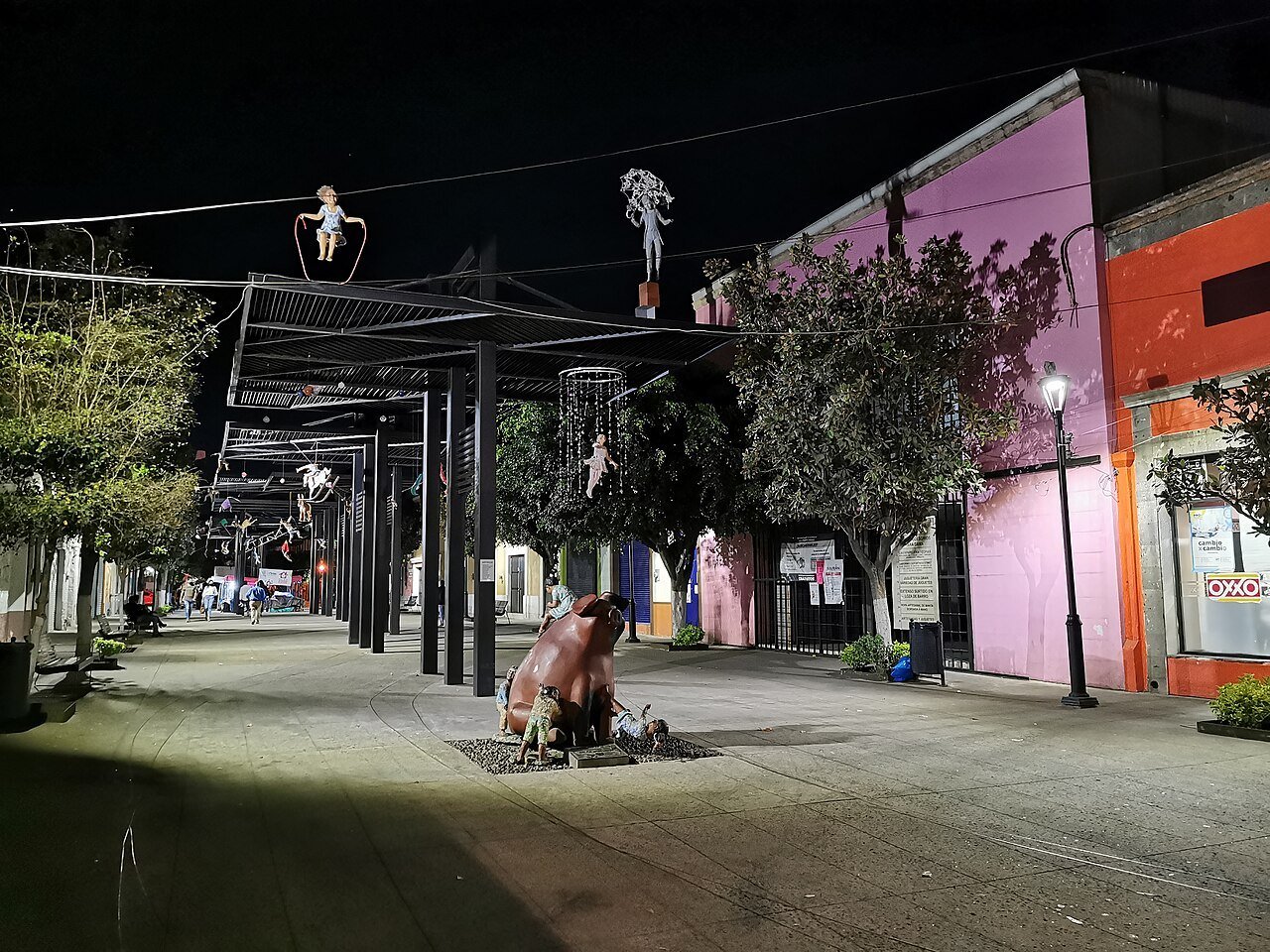

Meet a place through its people
A museum gives valuable context, but culture also lives in a working market, an art studio and a conversation with a local guide. Make room for these encounters without expecting anyone to perform an idea of “authentic Mexico” for a visitor. Contemporary galleries and new restaurants belong to the country’s cultural life just as much as historic buildings.
Choose a guide or workshop that explains who is hosting the visit and how the local community participates. Ask permission before photographing people, homes or private workspaces. If a place of worship or a ceremony welcomes visitors, follow the host’s rules and leave room for those who are there for reasons other than tourism.
Music has regional roots
Mariachi is one of Mexico’s best-known musical traditions, with a repertoire that carries stories of place, history and everyday life. Traditional ensembles and modern groups use different combinations of instruments; the familiar trumpet sound is only part of that story. UNESCO’s account explains the role of learning by ear and performance in passing the tradition between generations.
Read UNESCO’s introduction to mariachi ↗
In Guadalajara, combine an interest in music with art and architecture. In Tuxtla Gutiérrez, our Parque de la Marimba guide offers a different starting point. Check the current programme rather than assuming a performance will be taking place when you arrive.
Food is knowledge as well as a meal
Growing ingredients, preparing them and sharing a meal are connected parts of traditional Mexican cuisine. UNESCO describes a living heritage carried by growers, cooks and communities, rather than a single list of famous dishes. A market visit or a cooking session can help reveal those connections when it is led by someone who knows the local tradition.
Explore our guide to Mexican food, or read UNESCO’s account of the people behind the cuisine ↗.
Celebrations deserve respect and preparation
In the Indigenous traditions associated with the Day of the Dead, families remember deceased loved ones through offerings and other observances. Practices differ between communities. A public celebration is not permission to intrude on a family’s private remembrance, and a cemetery should not be treated as a photographic set.
Ask what is open to visitors, whether photography is appropriate and how a local guide can help you understand what you are seeing. Book transport and accommodation around confirmed dates, and do not assume that every town follows the same schedule. UNESCO’s background on the Indigenous festivity ↗.
Choose a cultural starting point
- Oaxaca’s markets and textile traditions: ask about materials, makers and techniques.
- Tlaquepaque: leave time for craft shops and conversations, not just the streetscape.
- Saltillo’s sarape heritage: explore a textile tradition in its geographical setting.
- Museo Frida Kahlo: plan a specific museum visit within a broader day in Coyoacán.
These are starting points, not a definition of a whole country. Follow your interests, give each place time and ask local hosts what they would like visitors to understand.
Written and reviewed by the American Tour Association · November 1, 2026. Sources are linked beside the relevant background. Editorial standards · Suggest a correction